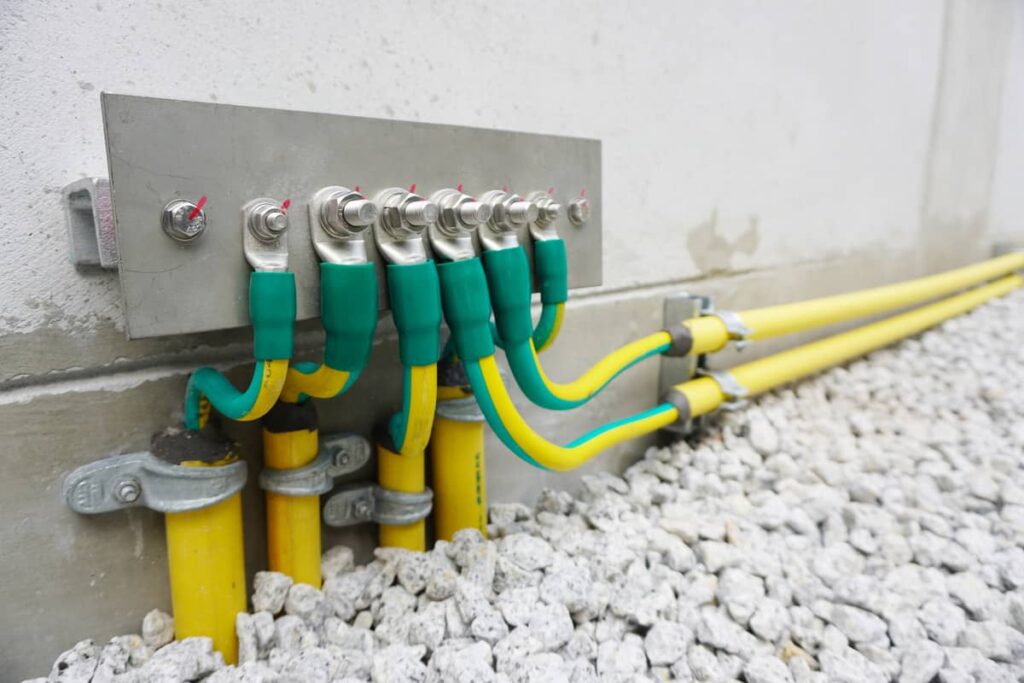
Earth bonding is a safety measure that connects metal parts in and around your home so they stay at the same electrical potential. That helps reduce the risk of electric shock if an electrical fault makes one metal part live.
In simple terms, bonding helps stop two nearby metal surfaces from ending up at different voltages during a fault. That matters because a dangerous shock can happen when someone touches both at the same time.
For most Perth homeowners, earth bonding usually comes up during electrical inspections, switchboard work, renovations, or pool and spa projects.
Key Takeaways
- Earth bonding helps reduce the risk of electric shock
- It connects metal parts so they stay at the same electrical potential
- It is different from earthing, but the two work together
- It matters most where metal parts and electricity may create a fault risk
- In WA, pool and spa bonding must be done by a licensed electrical contractor
What Is Earth Bonding in Simple Terms?
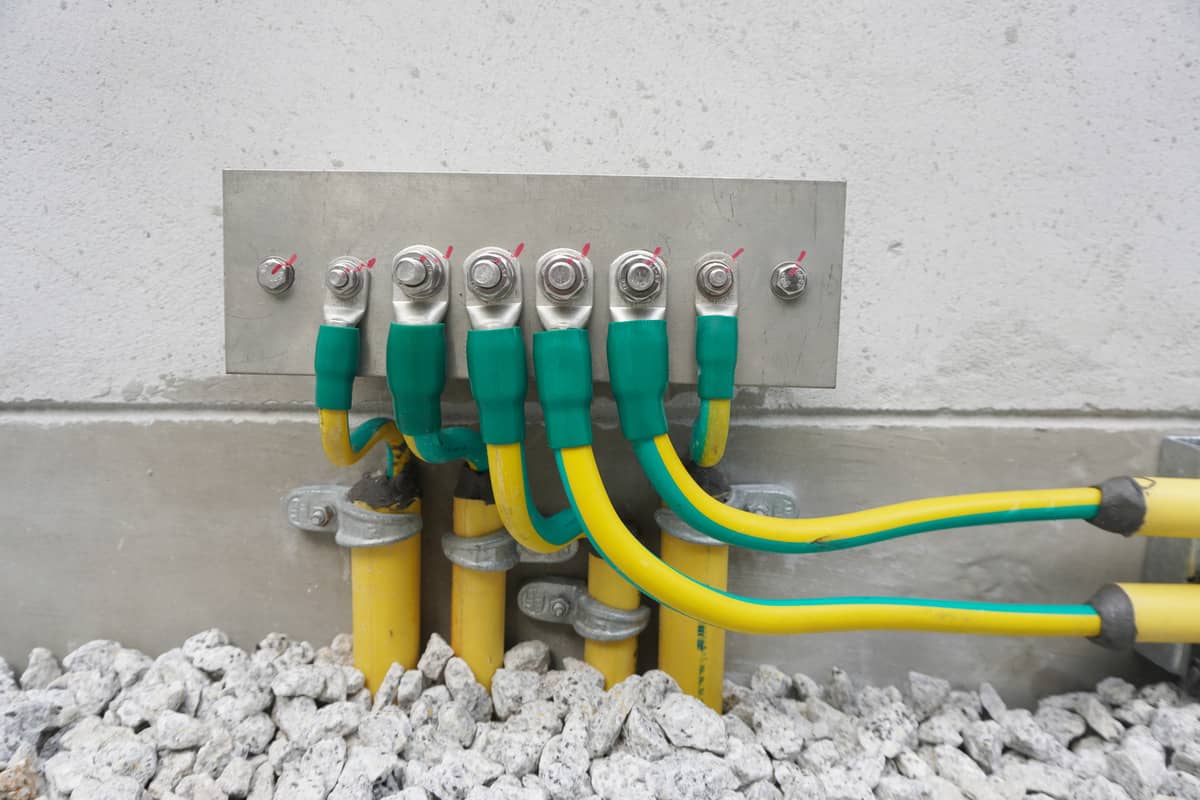
Earth bonding is the connection of metal parts to the electrical earthing system so they stay at the same electrical potential during a fault.
In a home, that can include metal services such as water or gas pipes. The purpose is to reduce the chance of a dangerous voltage difference between metal parts that someone could touch.
Example of Earth Bonding in a Home
A simple example is a home with metal water pipes.
If a fault develops in the electrical installation and one metal part becomes live, there can be a shock risk if another nearby metal part is sitting at a different voltage. Bonding helps reduce that voltage difference by connecting those conductive parts together.
That does not mean the fault is harmless. It means bonding is there to make the situation safer until the protective device operates.
For a homeowner, the main thing to understand is this: earth bonding is not a separate appliance or switch you use. It is part of the fixed electrical installation and must be checked or installed by a licensed electrician.
How Does Earth Bonding Protect You?
Bonding helps reduce the risk of a dangerous shock by stopping metal parts near each other from sitting at different voltages during a fault.
A simple example is metal pipework.
If there is an electrical fault somewhere in the installation, you do not want one metal pipe or fitting sitting at a different voltage to another metal surface nearby. Bonding helps reduce that risk by keeping those conductive parts at the same electrical potential.
For homeowners, that is the key point. It helps lower the chance of electric shock if something goes wrong.
What Is the Goal of Earth Bonding?
The goal of earth bonding is to minimise the risk of electric shock by preventing dangerous voltage differences between exposed metal parts and other conductive parts around the home.
In practical terms, that means if a fault affects one metal part, bonding helps reduce the chance of another nearby metal part sitting at a different voltage that could create a shock path through a person.
Earth Bonding Vs Earthing
These two terms get mixed up all the time, but they are not the same thing.
Earthing gives fault current a path so the protective device can operate.
Bonding connects metal parts together to reduce dangerous voltage differences.
A simple way to explain it is this:
- Earthing helps fault current go where it should
- Bonding helps stop touchable metal parts from ending up at different voltages during a fault
If you only remember one thing, remember this: bonding is about keeping conductive parts at the same electrical potential during a fault.
How Earth Bonding Fits into the (Multiple Earthed Neutral) MEN System
Australia uses a Multiple Earthed Neutral, or MEN, system. In this system, the neutral conductor is connected to earth at multiple points, including at the transformer and at the consumer’s switchboard. The protective earthing system in the installation is tied into that arrangement to provide a low-resistance path for fault current.
Earth bonding works with that system by helping keep the neutral, earthing system, and bonded metal parts at essentially the same electrical potential during a fault. This helps reduce shock risk and supports the safe operation of the installation’s protective devices.
Where Earth Bonding Matters Most
Earth bonding is most relevant where conductive metal parts could create a shock risk if a fault occurs. That can include:
- metal water pipes
- metal gas pipes
- older homes with a mix of old and new electrical work
- pools and spas
This is why bonding often comes up during renovations, switchboard upgrades, and electrical safety inspections. Any time electrical work or major alterations are carried out, the earthing and bonding arrangements should be checked to make sure the installation is safe and compliant.
Why Earth Bonding Matters in Older Perth Homes
Older homes often have a mix of original wiring, later upgrades, and changes to plumbing or fittings over time.
That does not automatically mean there is a bonding problem. It does mean the installation is worth checking properly, especially before renovation work or switchboard upgrades.
We often recommend looking at the broader safety picture, including earthing, bonding, switchboard condition, and RCD protection, rather than treating one issue in isolation. This is the safest way to assess whether an older installation still meets modern expectations.
Related article: 10 Common Electrical Issues and Risks in Older Homes
Earth Bonding Requirements in Western Australia
In WA, Building and Energy is the electrical safety regulator. For pools and spas, it recommends getting your electrician involved early in the planning stage to avoid costly rework later.
WA also requires all metal items within 1.25 metres of the pool edge to be bonded to the main earthing system. This includes items such as fencing, handrails, ladders, gates, and steel reinforcing in concrete pools and spas.
If you are getting tingles or shocks from taps, pipes, or other metal surfaces, that is a warning sign and the installation should be checked by a licensed electrician.
Only licensed electrical contractors can carry out this work in WA. For electrical installing work, they must provide an Electrical Safety Certificate within 28 days of completion.
Can You Check Earth Bonding Yourself?
No.
You might see a clamp or bonding conductor and assume everything is fine, but that does not confirm the bonding is complete, correctly connected, or suitable for that installation.
In WA, it is illegal for an unlicensed person to carry out electrical work, including modifications to fixed wiring.
If you are unsure, the right step is to have the installation inspected by a licensed electrician.
Signs of Bonding or Earthing Issues in Your Home
You usually cannot spot a bonding problem just by looking at an installation, but there are some warning signs that may point to an earthing or bonding issue.
This can include:
- frequent tripping of RCDs or circuit breakers without an obvious cause
- tingling or a slight shock when touching metal taps or pipes
- flickering or unstable lighting
- appliances or metal surfaces feeling electrically live or unusual to touch
- rusted, corroded, or disconnected bonding conductors
- renovations, plumbing work, or DIY changes that may have disturbed wiring or metal service connections
These signs do not automatically mean bonding is the problem, but they are a good reason to have the installation checked by a licensed electrician.
When Should You Get Earth Bonding Checked?
It is worth booking an electrical inspection if:
- you are renovating an older home
- you are upgrading a switchboard
- you are installing a pool or spa
- you have noticed tingles, tripping circuits, or other unusual electrical issues
- you want peace of mind before buying or selling a home
These are common situations where hidden safety issues may be found, and where checking the earthing and bonding arrangements makes sense.
What Happens When Bonding Is Poor or Missing?
If earth bonding is poor or missing, several safety risks can follow.
One risk is electric shock. A fault may energise a metal part and make it dangerous to touch. Another risk is that protective devices may not operate as intended if fault current cannot follow a proper low-resistance path. That can leave the fault present for longer than it should be.
Poor or missing bonding can also increase fire risk if fault current tries to travel through unintended paths and causes heat or damage. Non-compliant electrical work may also create problems if there is later damage, injury, or an insurance claim.
Final Word
Earth bonding is not something most homeowners think about every day, but it plays an important role in electrical safety.
If there is a fault, bonding helps reduce the chance of exposed metal parts around your home becoming a shock hazard by keeping conductive parts at the same electrical potential.
If you are renovating, upgrading your switchboard, installing a pool or spa, or want an older Perth home checked properly, it is worth having the installation inspected by a licensed Perth electrician like Limelight Electrix. In WA, that is the lawful and safest way to deal with fixed electrical work.
FAQs
What is earth bonding?
Earth bonding is the connection of metal parts so they stay at the same electrical potential, helping reduce the risk of electric shock during a fault.
Is earth bonding the same as earthing?
No. Earthing provides a path for fault current so protective devices can operate. Bonding helps reduce dangerous voltage differences between conductive parts.
Is earth bonding important in older homes?
Yes, it can be. Older homes are more likely to have a mix of old and new work, so it is worth having the installation checked during renovations or upgrades.
Does a pool or spa need earth bonding?
Yes. In WA, metal items within 1.25 metres of the pool edge, along with the steel reinforcing of concrete pools and spas, must be bonded to the main earthing system.
Can I do earth bonding work myself?
No. In WA, it is illegal for an unlicensed person to carry out electrical work, including modifications to fixed wiring.
When should I call an electrician about earth bonding?
Call an electrician if you are renovating, upgrading your switchboard, installing a pool or spa, or want an older home checked for electrical safety.