When a circuit carries more power than it can safely handle, it starts to show signs that something is not right. Many Perth homes, especially older ones, still run on wiring and switchboards designed long before today’s high-demand appliances. When the load becomes too much, the circuit struggles and the risks increase.
We see overloaded circuits across Perth all the time. Some signs are obvious, others are easy to miss until a breaker trips or something overheats. Here is what to look for and what you should do if you spot these issues in your home.
Signs Your Home’s Electrical System is Overloaded
1. Frequent circuit breaker trips
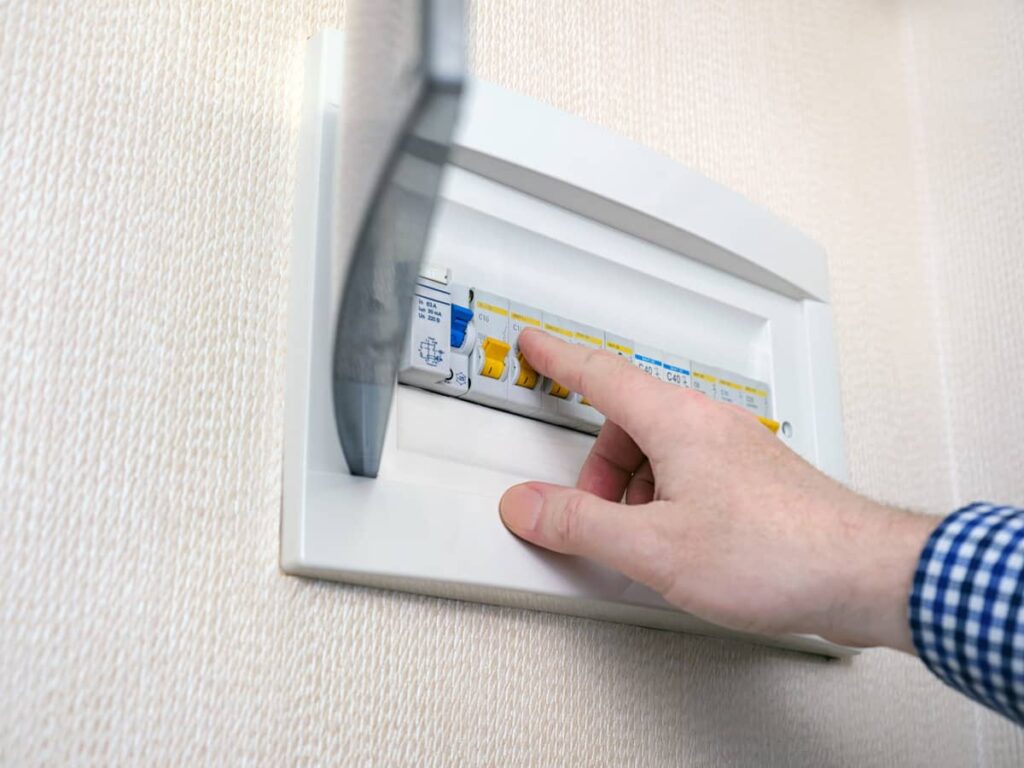
If the same breaker keeps tripping, especially when several appliances are running, the circuit is likely overloaded. Breakers are designed to cut power when they detect excess current. This is required under Australian Wiring Rules (AS/NZS 3000) to protect wiring from overheating.
It is also important to understand the difference between safety switches and breakers.
Circuit breakers trip on overloads and short circuits.
- RCDs (safety switches) trip on earth leakage.
- Many homeowners think an RCD trip means overload, but technically it is the breaker that responds to excess current.
If you have older ceramic fuses, you may not get the same level of protection. These boards were never built for modern loads and rely on the fuse wire burning out, which is slower and less precise than a breaker.
2. Lights flickering or dimming
Lights that flicker or dip when you turn on an appliance are a classic warning sign. If your lights drop whenever the kettle boils or a heater starts, the circuit is reaching its limit. This is common in older bedrooms, kitchens and living areas where multiple high-draw appliances end up on the same run of wiring.
3. Warm or discoloured powerpoints and switches
Powerpoints and switches should never feel warm. A warm plate, slight vibration or buzzing sound means there is heat building up behind the scenes. If the plastic looks brown, yellow or slightly melted, that is a sign the outlet has been overheating for some time.
This is one of the most serious signs you will ever see in a home and should be treated as urgent.
4. Burning smells or sizzling sounds
A burning or plastic smell near an outlet is a sign to switch the power off straight away. Sizzling or crackling sounds are just as concerning. These noises often point to loose connections, arcing or overheating caused by excess load.
If you notice any of these, stop using the circuit and get us out as soon as possible.
5. Too many appliances on one circuit
Powerboards full of plugs, extension leads everywhere and multiple heaters or dryers running on one outlet all put pressure on a single circuit. Kitchens, home offices and bedrooms tend to be the worst areas.
An overloaded circuit is not always the result of a fault. Sometimes it is simply too many appliances drawing too much current at the same time.
Is an Overloaded Circuit Dangerous?
Yes. When a circuit is overloaded, the wiring can overheat inside walls, in roof spaces or behind powerpoints. That heat damages insulation and can start a fire. It can also damage appliances and increase the chance of electric shock.
Modern switchboards with safety switches reduce the risk, but they cannot solve the overload itself.
Why Older Perth Homes Are More at Risk
Homes built before the mid-1990s often have:
- Ceramic fuses instead of circuit breakers
- Limited or no RCD protection
- Wiring not designed for air conditioners, induction cooktops and large appliances
These things do not automatically mean the circuit is overloaded, but they increase the chance that it will happen without you noticing.
If your home has not had an electrical inspection in years, now is a good time to check everything is safe.
What to Do If You Notice the Signs
If you think a circuit in your home is overloaded, the safest step is to call a licensed residential electrician. Acting early prevents overheating, electrical faults and fire risks.
- Unplug high-draw appliances from the affected area
- Avoid daisy-chaining powerboards
- Spread appliances across different rooms if possible
- Keep heaters and dryers on dedicated outlets wherever you can
- Book a licensed electrician to test the circuit
We can map your circuits, test the load, inspect the wiring and check your switchboard to make sure your home is safe. Every job includes a free electrical safety check and upfront pricing.

When to Call Us
Get in touch if:
- A breaker keeps tripping
- Lights dim when appliances start
- Powerpoints feel warm
- Outlets are discoloured or buzzing
- You smell burning plastic
These problems do not get better on their own. Catching them early can protect your home and prevent major electrical faults.
What to Do Next
Overloaded circuits are one of the most common issues we see in Perth homes. The early signs are easy to miss, but they can lead to serious problems if they are left unchecked. A quick look at how your breakers behave, how your lights respond and how your powerpoints feel can tell you a lot about the health of your wiring.
If anything in your home does not look, sound or smell right, it is always best to get it checked. We can test your circuits, assess the load across your home and make sure your switchboard and wiring are safe. Every visit includes a free electrical safety inspection and clear, upfront pricing so you always know where you stand.
If you are concerned about an overloaded circuit or want peace of mind about your electrical safety, get in touch with our licensed Perth residential electricians. We are here to keep your home safe and your power running reliably.