A power outage can throw your home into chaos, whether it’s just your property or the whole street. Outages happen for many reasons—some caused by the wider electrical infrastructure, others due to issues inside your home. Here’s what Perth homeowners need to know.
Quick Summary
- Widespread outages: often caused by weather events, ageing transmission lines, animal interference, heavy demand during heat waves, or a planned power outage for maintenance.
- Isolated outages: usually linked to a tripped circuit breaker, overloaded circuits, faulty appliances, or wiring faults.
- Types of outages: blackouts, brownouts, rolling blackouts, planned outages, transient interruptions, and sustained outages.
- What to do: check with neighbours and your switchboard, report issues to your electricity distributor, unplug appliances, and stay safe until power is restored.
Common Causes of Widespread Outages
Widespread outages affect whole streets or suburbs and are usually caused by issues in the power network outside your home.
1. Severe Weather
Storms, high winds, heavy rain and flooding, hail, and lightning can damage poles, transmission lines, and substations. When this happens, blackouts occur across large areas until repairs are made.
2. Equipment Failure
Ageing transformers, cables, and other grid equipment can break down over time. When a permanent fault develops in this electrical infrastructure, the supply is cut until components are replaced.
3. Animal Contact
Wildlife such as rodents, snakes, or birds may come into contact with power lines or substations. This can cause short circuits that trip protective devices and shut down supply to entire neighbourhoods.
4. Grid Overload
High demand during extreme weather, particularly summer heat waves, puts added stress on the system. When the grid can’t cope, rolling blackouts are introduced to prevent collapse.
5. Accidental Damage
Vehicles hitting poles or excavation striking underground cables can physically damage the network. This instantly breaks the connection in supply lines, cutting power to surrounding areas.
6. Planned Outages
Your electricity distributor sometimes switches off power to carry out upgrades or essential maintenance. These planned power outages are temporary and ensure the network remains safe and reliable.
Causes of Isolated Outages (Your Home Only)
Isolated outages only affect your property and are usually caused by faults or overloads within your home’s electrical system.
1. Tripped Circuit Breaker or Safety Switch
These devices are designed to protect your home from overloads, short circuits, or faulty wiring. When they detect a fault, they automatically cut the power to prevent damage and reduce fire risk.
2. Overloaded Circuits
Plugging too many high-wattage appliances into the same circuit places more demand on it than it can safely handle. This overload forces the breaker or safety switch to trip, shutting off electricity to that part of your home.
3. Faulty Appliance
A broken or defective appliance can have internal wiring issues or damaged components. When plugged in, it can create a short circuit, blowing fuses or tripping breakers and cutting power.
4. Problems with Your Electrical System
Issues such as ageing wiring, loose connections, or a faulty switchboard can cause repeated trips and unusual noises. These problems disrupt the safe flow of electricity and require a licensed electrician to fix.

Key Types of Power Outages to Understand
- Blackouts – A blackout is a complete loss of electricity to your home or area. Blackouts occur most often after severe weather or when faults in transmission lines or substations disrupt supply.
- Brownouts – A brownout is a drop in voltage where lights dim, and appliances may not run properly. They usually happen when the grid is under heavy strain from demand during heat waves or peak usage.
- Rolling Blackouts – A rolling blackout is an intentional, temporary shutdown of power in specific areas. Energy providers use them during peak usage to prevent the entire grid from collapsing.
- Planned Outages – A planned outage is when your electricity distributor deliberately switches off supply. These are scheduled to carry out safe maintenance, network upgrades, or testing.
- Transient Outages – A transient outage is a very short disruption, often lasting only seconds before power is restored. They’re commonly caused by lightning strikes, animal contact, or other temporary faults that correct themselves.
- Sustained Outages – A sustained outage is a power loss lasting longer than one minute and requires repairs to restore. These are usually linked to severe storms, damaged infrastructure, or a permanent fault in the grid.
What to Do If There’s a Power Outage
1. Work Out the Cause
- Check with Neighbours – Step outside and see if nearby homes are also affected. If the whole street is dark, it’s likely a network issue.
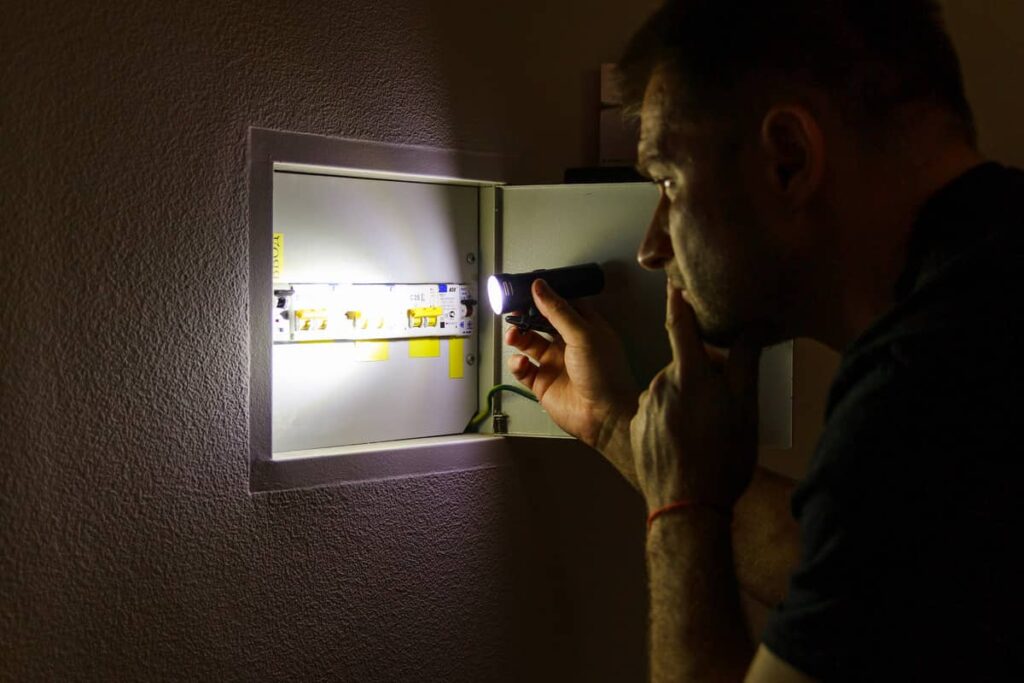
- Check Your Switchboard – Look for a tripped safety switch or breaker. Reset it once, but if it keeps tripping, call a licensed electrician.
2. Report the Outage
- Call Your Distributor – In Perth, this is usually Western Power, not your electricity retailer. They’re responsible for restoring power and repairing damaged infrastructure.
3. Stay Safe
- Unplug Appliances – Disconnect TVs, computers, and other electronics to protect them from surges when the power comes back.
- Leave a Light On – A simple way to know when power has been restored without constantly checking.
4. Be Prepared
- Stay Informed – Use a battery-powered radio or check Western Power’s outage map online for updates.
- Use Safe Lighting – Stick to torches or LED lanterns instead of candles to avoid fire risk.
- Protect Your Food – Keep fridge and freezer doors shut to preserve the cold for as long as possible.
- Generator Safety – If you have one, always run it outside and well away from windows and doors to prevent carbon monoxide poisoning.
- Stay Comfortable – Perth summers can be harsh, so stay cool with light clothing and hydration, or keep warm with blankets in winter.
- Charge Devices – Top up phones and other essentials early so you can stay connected during the outage.
Need Assistance? Call a Licensed Residential Electrician
If the outage is isolated to your home and linked to wiring, faulty appliances, or a tripping switchboard, it’s time to call a licensed electrician. At Limelight Electrix, we’ll diagnose the issue quickly, restore your power, and carry out a free safety inspection while we’re there.
Contact us today for reliable power outage support and upfront pricing with no surprises.