Yes — you need an electrical safety certificate in Perth if you’re selling, leasing, or carrying out major electrical work. WA law requires one when you:
- Sell a property – the sale can’t settle without it
- Lease a property – confirms RCDs, smoke alarms and the switchboard are up to standard
- Install new wiring or major electrical equipment – including switchboards, EV chargers, solar systems or new circuits (not basic like-for-like repairs)
In this guide, we explain exactly when a certificate is needed, when it’s not, who can issue it, and how our Perth residential electricians take care of the testing and paperwork to keep your home safe, legal and fully insured.
When the Certificate is Mandatory
| Situation | Why you need it | Who checks it |
| Selling a property | Settlement can’t proceed without proof the switchboard, RCDs and fixed wiring meet WA rules. The electrical safety certificate supplies that proof. | Settlement agents, conveyancers, buyers |
| Leasing a property (rental safety) | Landlords must show each circuit is RCD-protected and smoke alarms are hard-wired and working. A current certificate confirms compliance. | Property managers, tenants, insurers |
| Electrical modifications & additions | Extending a circuit, adding outlets, wiring an EV charger, or any similar change to fixed wiring is “electrical installing work”. It must be tested and certified within 28 days. | Building & Energy WA, future trades, insurers |
| Significant repairs & maintenance | Jobs that go beyond like-for-like replacement—such as a switchboard swap, damaged-cable rewire or safety-device upgrade—alter the wiring and therefore need a certificate. | Building & Energy WA (audit), insurers |
| Insurance compliance | Many insurers now ask for a recent electrical safety certificate when you start, renew or claim on a policy, as proof the wiring was tested by a licensed contractor. | Insurers, loss assessors |
Selling a Property
Before settlement a licensed electrician must confirm the home’s switchboard, RCDs and fixed wiring meet current WA regulations. Any work carried out to reach that standard is classed as electrical installing work, so we must issue an electrical safety certificate within 28 days of completion. Settlement agents will not release funds until they sight that paperwork.
Leasing a Property
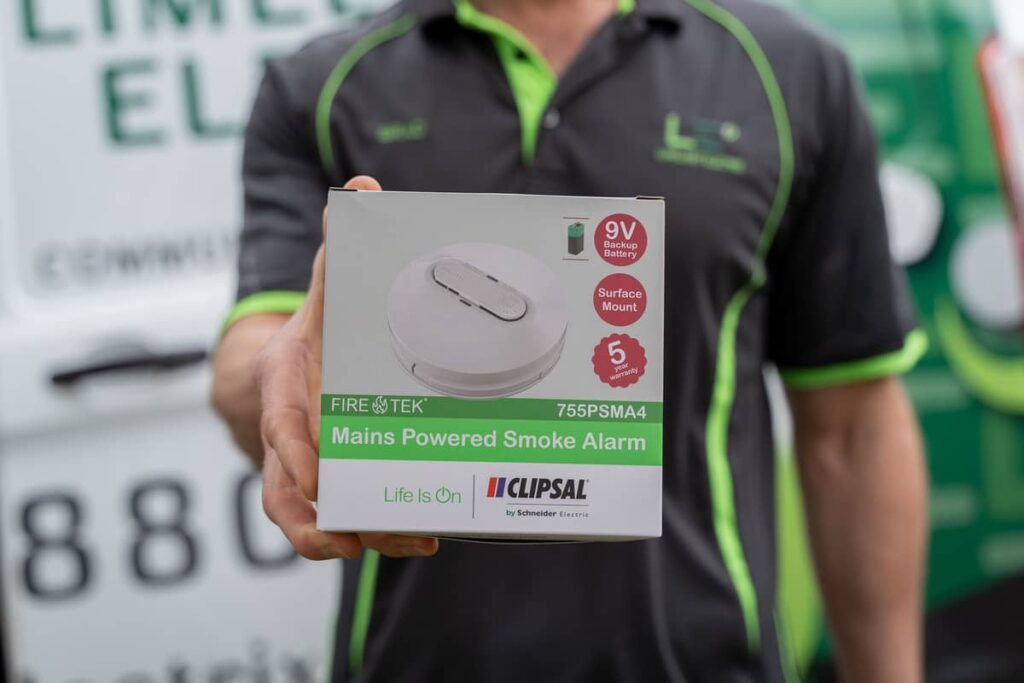
Landlords have the same duty of care. A rental must show two RCD-protected circuits and mains-powered smoke alarms before a tenant moves in. If we need to fit or upgrade that gear, the job again becomes installing work and the certificate is mandatory. Property managers, tenants and most insurers ask to see it.
Installing new wiring or major electrical equipment
Electrical installing work covers far more than brand-new homes:
- Electrical modifications and additions – extending a circuit, adding power points, moving light fittings or wiring an EV charger all change the fixed wiring and therefore demand a certificate.
- Significant repairs and maintenance – replacing a switchboard, rewiring a damaged circuit or swapping faulty safety devices goes beyond simple like-for-like repair; once the fixed wiring is touched, we must test and certify.
The contractor has 28 days to hand the certificate to the owner, but we issue it on the spot so you’re covered straight away.
Insurance compliance
Many insurers now ask for a current electrical safety certificate when you take out, renew or claim on a policy. Producing that document proves the wiring was tested and signed off by a licensed contractor, helping avoid disputes if anything goes wrong.
Skip the certificate and you risk fines, stalled settlements, unhappy tenants or a rejected claim. When in doubt, call us—we’ll test, certify and keep the paperwork squared away so your property stays safe, legal and protected.
When You Don’t Need One
WA’s rules make a clear exception for “maintenance work and like-for-like replacement of electrical equipment”—these jobs don’t need a new electrical safety certificate because they don’t alter the fixed wiring or add safety risk. Regulation 52B carries the same exemption, noting that a certificate “is not required for maintenance work”.
Typical tasks that fall under the exemption:
- Tightening loose terminals inside an existing switchboard or fitting (no new parts, no wiring changes).
- Replacing a cracked socket or light switch with the identical model—a straight swap counts as like-for-like.
- Resetting a tripped circuit-breaker or replacing fuse wire—operating existing protective devices isn’t installing work.
- Servicing a plug-in appliance where you don’t touch the fixed wiring (e.g. changing an oven element once the plug is out).
Even though a certificate isn’t needed, any work on fixed wiring—no matter how minor—still has to be done by a licensed electrician. If you’re not sure whether your task is maintenance or “installing work,” give us a call. One quick check can save you a fine and keep your home safe.
Why the Paperwork Matters
Legal compliance
WA’s Electricity (Licensing) Regulations 1991 require a licensed contractor to issue an electrical safety certificate within 28 days of finishing any installing work. Skip it and you can be prosecuted; recent court cases have seen fines climb well past $5,000 for missing or bogus certificates.
Safety
The certificate is your written proof a licensed sparkie tested the job to AS/NZS 3000. That final test catches loose connections, reversed polarity or missing earths—faults that cause shocks and roof-space fires if left unseen.
Insurance protection
Insurers often ask for a current electrical safety certificate when you start, renew or claim on a policy. No paperwork usually means no payout if faulty wiring sparks a blaze or someone gets hurt.
What Affects the Cost of an Electrical Safety Certificate
The certificate isn’t just a sheet of paper—it covers a full round of testing, fault-finding, and compliance checks. The final figure depends on a handful of practical factors:
- Scope of work – a single new circuit is faster to test than a whole-house rewire or switchboard overhaul.
- Number of circuits – every breaker needs insulation-resistance and RCD trip tests; more circuits mean more test time.
- Access and layout – tight roof spaces, multiple meter boards, or second-storey switchboards can add labour.
- Remedial fixes – if we find non-compliant wiring (loose earths, wrong breaker sizes), we’ll quote to rectify before we certify.
- Urgency – after-hours or same-day certificates can attract a priority loading because they pull technicians off scheduled work.
We’ll always give you a clear, fixed quote once we know the job’s details, so there are no surprises when the paperwork lands in your inbox.
How to Get an Electrical Safety Certificate in Perth
Step 1 – Book a Licensed Contractor
Only an electrical contractor with an EC-numbered licence can legally inspect, test and issue the certificate in Western Australia. Call us and we’ll lock in a time that suits you.
Step 2 – We Carry Out the On-site Tests
Our technician checks every circuit: insulation resistance, RCD trip times, earth continuity, smoke-alarm wiring and switchboard labelling—the full list the regulations demand.
Step 3 – We Fix Anything That Isn’t Compliant
If the tests uncover loose earths, wrong-sized breakers or damaged cabling, we’ll quote the remedy on the spot. The work must meet AS/NZS 3000 before we can certify it.
Step 4 – The Certificate is Issued
Regulation 52B gives contractors 28 days to hand over the paperwork, but we complete and sign it before we leave site. The document proves your installation was tested and passed.
Step 5 – Keep the Paperwork Safe
We store a copy for at least five years, and you should file yours with property and insurance records. Produce it for future sparkies, agents or insurers—it speeds up fault-finding and avoids disputes.
Keep Your Certificate Handy — And Get One Fast
Once we’ve tested and certified the work, keep the paperwork close:
- File the original with your property records
- Give a copy to your agent, strata manager, or buyer
- Show it to the next electrician so they can fault-find quicker
Need a new certificate in a hurry? We’re fully licensed, carry the latest test gear, and include a free safety check with every visit. Call 1300 880 761 or book online and we’ll handle the testing, compliance, and paperwork—leaving your property safe, legal, and ready for sale or rent.