How Often Should I Service My Split System Aircon?

Keeping your air conditioning system in top condition is essential for staying comfortable during Perth’s hot summers and maintaining a healthy indoor environment. But how often should you service your aircon? Let’s break it down to help you keep your system running efficiently year-round.

Recommended Servicing Frequency

Most aircon experts, including our team at Limelight Electrix, recommend an annual service for your air conditioner. Regular maintenance identifies potential issues before they escalate, keeps the system efficient, and ensures it operates smoothly when you need it most. This proactive approach helps avoid costly repairs and maximises the lifespan of your unit.

Recommended Frequency by Aircon Type

  • Split Systems: These require servicing at least once a year.
  • Ducted Systems: Due to their complexity, ducted systems also benefit from annual checks to inspect ducts and connections.
  • Evaporative Coolers: These need more frequent attention—ideally twice a year—to maintain optimal performance.

Best Time to Service Your Aircon in Perth

The ideal time for servicing your home air conditioner in Perth is during spring, typically in October or November. Here’s why:

  • Preparation for Summer: Get your aircon ready before the scorching summer heat kicks in. A spring service prevents unexpected breakdowns during peak demand.
  • Avoiding the Rush: HVAC professionals are often booked out closer to summer. Servicing in spring gives you quicker access and more flexible scheduling.
  • Improved Efficiency: Regular maintenance enhances efficiency, saving you energy costs when temperatures soar.
  • Better Air Quality: Cleaning or replacing air filters during servicing reduces allergens, dust, and mould, promoting healthier indoor air quality.

Seasonal Timing Tips for Aircon Servicing

While an annual service is the general recommendation, a more tailored seasonal approach can help optimise your air conditioner’s performance throughout the year. Here’s a closer look at why spring and autumn are ideal times for servicing.

Spring Servicing

Scheduling aircon maintenance in spring—before summer’s heat sets in—ensures that your unit is ready to perform at peak efficiency. This proactive approach helps prevent surprise breakdowns during the hottest months and maximises cooling performance for the upcoming season. With HVAC demand lower in spring, you’ll also benefit from faster booking times and often more flexible scheduling.

Autumn Servicing

As summer winds down, your air conditioner can benefit from a thorough clean-up after months of heavy use. Autumn is the ideal time to clear out accumulated dust and debris, which keeps internal components in good shape and maintains the air quality in your home. A post-summer service also helps your system recover from the strain of constant use, preparing it for longevity through the cooler months and into the next summer.

Adapting your servicing routine to these seasonal timings keeps your air conditioner efficient, reduces energy costs, and helps prevent wear and tear from building up over time.

Signs Your Aircon Needs Servicing

If you’re unsure whether it’s time for a service, watch out for these signs:

  • Insufficient Cooling: Struggling to maintain the desired temperature? It could indicate refrigerant issues or clogged ducts.
  • Increased Energy Bills: A sudden spike may signal that your system is working harder than it should.
  • Unusual Noises: Buzzing, rattling, or grinding sounds suggest internal problems.
  • Strange Odours: Musty or burning smells may indicate mould or electrical issues.
  • Poor Airflow: Weak airflow can result from blocked filters or duct obstructions.
  • Water Leaks: Pooling water around the unit is a sign of a blocked drain or frozen coils.
  • Frequent Cycling: If your aircon keeps turning on and off, it might be struggling with temperature regulation.
  • Age of the Unit: Older units (10+ years) often need more frequent servicing.
Why Regular Aircon Servicing Matters

Regular maintenance isn’t just about avoiding breakdowns—it offers multiple benefits:

  • Energy Efficiency: A well-maintained system uses less energy, saving you money on power bills.
  • Extended Lifespan: Routine servicing prevents small issues from turning into costly repairs, prolonging your unit’s life.
  • Improved Air Quality: Clean filters and components reduce allergens and keep your indoor air fresh.
  • Reliable Performance: Stay cool when it matters most with consistent performance.
  • Health Benefits: Cleaner air means fewer allergens and respiratory irritants in your home.

What’s Included in a Limelight Electrix Aircon Service

At Limelight Electrix, we offer a comprehensive aircon service to ensure your system performs at its best:

  • Preventative Maintenance: Regular servicing to enhance system longevity and efficiency.
  • Comprehensive System Check: Thorough inspection of all components to ensure optimal performance.
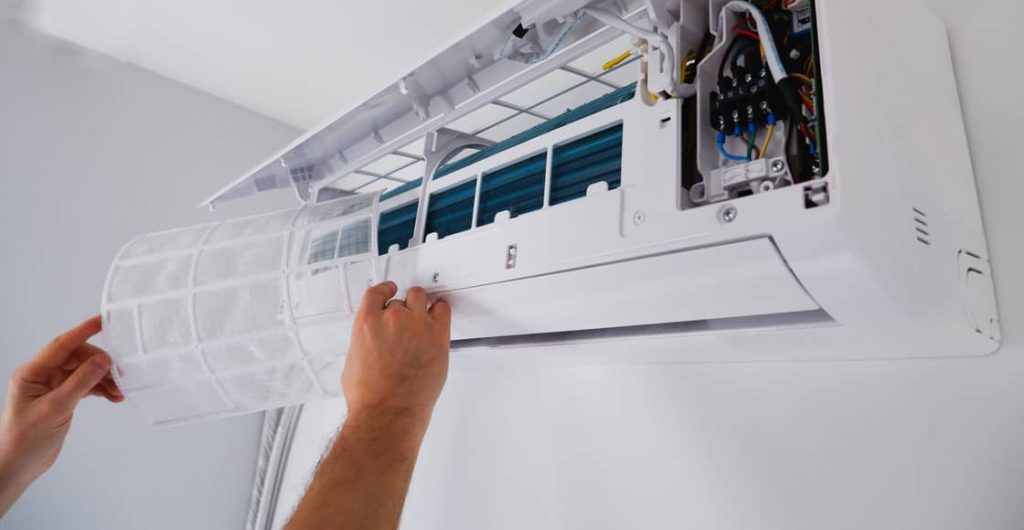
  • Cleaning and Filter Replacement: Removal of dust and contaminants to maintain air quality and system efficiency.
  • Refrigerant Level Assessment: Checking and adjusting refrigerant levels as needed for effective cooling.
  • Electrical Connection Inspection: Ensuring all electrical components are secure and functioning correctly.
  • Operational Testing: Running the system to verify proper operation and identify any issues.
  • Manufacturer-Specified Procedures: Adhering to the maintenance guidelines set by the air conditioning unit’s manufacturer.
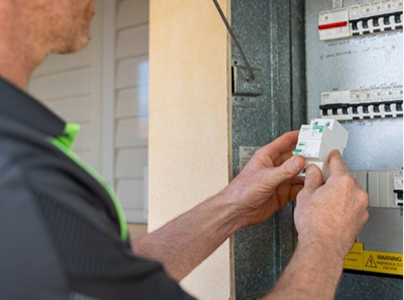
  • Free Safety Inspection: Conducting a complimentary safety check of your home’s electrical systems with every service.

Frequently Asked Questions

How do I know if my air conditioner needs servicing?

Watch for signs like reduced cooling, unusual noises, or increased energy bills.

Is it worth it to service your air conditioner?

Yes! Regular servicing ensures efficiency, lowers energy costs, and prolongs your system’s life.

What happens if an air conditioner isn’t serviced?

Without maintenance, your system can lose efficiency, develop costly faults, and circulate unhealthy air.

Regular aircon servicing is essential for efficient performance, lower energy costs, and a comfortable home environment. By keeping your unit in top shape, you’ll avoid costly repairs and enjoy reliable cooling when it matters most. Ready to book your service? Book an Air Con Servicing & Repairs quote with Limelight Electrix or call our experts to discuss your needs and ensure your aircon is summer-ready!
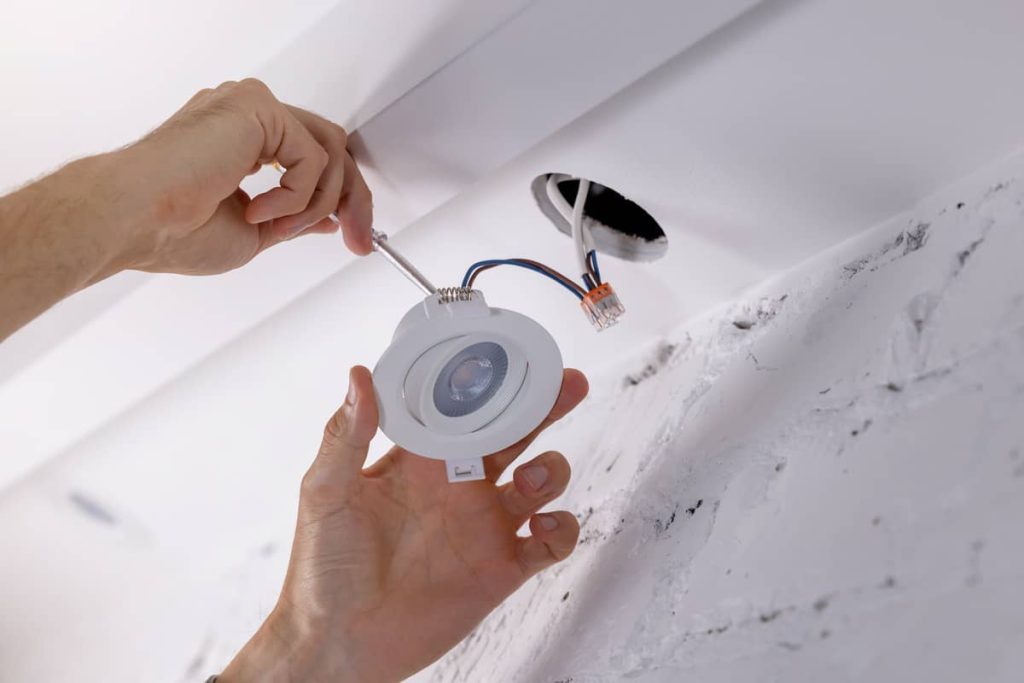
14 Benefits of Home LED Lighting

If you’re thinking about upgrading your home’s lighting, LEDs (light-emitting diodes) offer a variety of benefits that go beyond just a brighter room. More energy-efficient, longer-lasting, and eco-friendly, LED lights can transform your home environment and help reduce costs. Here are the top 15 reasons to consider switching to LED lighting for your home.

1. Energy Efficiency

LED lights are designed to be exceptionally efficient, using up to 80% less energy than traditional incandescent bulbs. This means lower electricity bills and a smaller environmental footprint, making LEDs a great choice for both the planet and your wallet.

2. Longer Lifespan

LED bulbs are built to last, with lifespans ranging from 30,000 to 100,000 hours. This far exceeds the mere 1,000 hours typical of incandescent bulbs, meaning less hassle and cost spent on frequent replacements.

3. Cost Savings Over Time

Though the initial cost of LED bulbs may be higher, the long-term savings on your energy bill and reduced replacement needs make LEDs a smart financial investment. Over time, these savings really add up, leaving you with more money to spend elsewhere.

4. Reduced Heat Emission

LEDs emit very little heat compared to traditional bulbs, which convert about 90% of their energy into heat. This keeps rooms cooler, reducing the strain on your air conditioning and lowering the risk of burns or fire hazards.

5. Environmentally Friendly

LED lights are a greener choice for your home. Unlike other bulbs, they contain no mercury and are fully recyclable. This makes them a more sustainable option, helping reduce waste and minimise your carbon footprint.

6. Instant Brightness

LED lights reach full brightness the moment they’re switched on, with no need to wait for them to “warm up.” This is especially handy in areas you need lit instantly, like entryways, closets, or bathrooms.

7. Versatile Design Options

Whether you want a cosy, warm glow or a bright, modern look, LEDs offer a wide range of colours, shapes, and styles. Their versatility allows you to create custom lighting that suits the aesthetic and purpose of each room in your home.

8. Low Maintenance

With their impressive durability and lifespan, LED lights require very little maintenance. This means fewer trips to the hardware store and less hassle with replacements, giving you more time for what matters.

9. Improved Safety

LEDs are safer to use than traditional bulbs due to their low heat output. This not only makes them safer to handle but also lowers the risk of burns, overheating, or fire hazards, giving you peace of mind for your family.

10. Directional Lighting

LEDs produce light in a specific direction, making them ideal for focused lighting like spotlights, under-cabinet lighting, or accent lights. This efficiency means you get light exactly where you need it, with no wasted energy.

11. Minimal UV Emission

LED lights emit virtually no ultraviolet (UV) radiation, making them a safer choice for homes with sensitive materials, like artwork or fabrics that can be damaged by UV exposure. They’re also a healthier choice for those who want to minimise UV exposure in their environment.

12. Smart Home Compatible

Modern LEDs often come with compatibility for smart home systems, allowing you to control lighting from your phone or voice-activated device. You can easily adjust brightness, colour, or schedule lighting based on your preferences—all with a tap or a command.

13. Improved Light Quality

LEDs deliver high-quality illumination with excellent colour rendering, which means they show colours more accurately. This is particularly beneficial in kitchens, art studios, or anywhere you want a true-to-life light that enhances the look of the space.

14. Reduced Carbon Footprint

By using less electricity and lasting far longer, LED lighting greatly contributes to reducing greenhouse gas emissions linked to power production. Making the switch is not only beneficial to your home but also a positive choice for the environment.

Is it Easy to Make the Switch to Home LED Lighting?

Switching to LED lighting in your home is a simple process, especially when you have the right team to guide you. Whether you’re upgrading existing light fixtures or installing new ones, LEDs are designed to fit standard sockets and come in a range of styles to match any space. Most homeowners find the switch straightforward, as many LED bulbs are designed for easy plug-and-play installation, with no special wiring required in many cases.

For a seamless transition, Limelight Electrix offers comprehensive LED installation services tailored to meet your needs. Our experienced electricians can assess your home’s current lighting setup and recommend the best LED options for each room, considering factors like brightness, colour temperature, and energy efficiency. We handle the entire process from start to finish, so you can enjoy the benefits of LED lighting without any hassle.

Brighten Up Your Home with LED Lighting

Upgrading to LED lighting is a straightforward process that can transform your home’s atmosphere while reducing your energy costs. At Limelight Electrix, we’re dedicated to making this transition as smooth as possible, from your initial consultation to the final installation. Our team handles every step with meticulous attention to detail, ensuring your new LED lighting system enhances both functionality and aesthetics.

Our commitment doesn’t end with installation. With our ongoing support and maintenance services, we’re here to ensure your LED lights continue to perform efficiently for years to come. We’re passionate about quality and customer satisfaction, standing by our work to provide a brighter, greener future for your home.

Ready to make the switch to LED lighting? Contact Limelight Electrix today to discuss your lighting needs or schedule an installation. Let us light up your home with a brighter, more energy-efficient solution that you’ll enjoy every day.

The Top 5 Reasons Why Your Home Needs an Electrical Safety Inspection

An electrical safety inspection isn’t just about ticking boxes; it’s about protecting your home and loved ones. Ensuring your electrical systems are up to date can prevent fires, reduce energy costs, and keep appliances working safely.

At Limelight Electrix, we have years of experience in conducting thorough electrical safety inspections to keep homes safe across Perth. In this blog, we’ll explore the top reasons why your home needs an electrical safety inspection.

Top Reasons for an Electrical Safety Inspection

  • Prevent fires and electrical shocks.
  • Protect property from damage.
  • Ensure energy efficiency and reduce bills.
  • Safeguard appliances.
  • Gain peace of mind with professional support.

1. Prevent Electrical Fires

Electrical fires are often caused by faulty wiring, overloaded circuits, or outdated systems. These hidden dangers can build up over time, increasing the risk to your home.

A safety inspection ensures that potential fire hazards are identified and addressed before they become a serious threat. Regular checks can also catch small issues before they escalate, making your home safer for everyone.

Faulty Wiring and Overloaded Circuits

Wiring degrades with age, especially in older homes. Overloaded circuits are also common, particularly with today’s high demand for appliances. An inspection will identify any problem areas in your system, helping to prevent potential disasters.

2. Protect Your Family from Electrical Shocks

Faulty outlets, damaged wiring, or improper grounding can lead to electrical shocks, which can be particularly dangerous for children or pets. An inspection ensures that your electrical system is safe, reducing the risk of accidental shocks in your home.

Faulty Outlets and Grounding Issues

Sometimes, electrical outlets may seem fine on the outside but have underlying issues like loose connections or improper grounding. Inspections will catch these problems early, providing peace of mind and preventing accidents.

3. Avoid Costly Repairs and Property Damage

Electrical problems often start small but can lead to significant damage if left unchecked. A thorough inspection will help you catch issues early, saving you from expensive repairs in the future. By identifying faulty wiring, overloaded circuits, or outdated systems, an inspection prevents small faults from becoming major problems that damage your home and cost you thousands.

Early Detection Saves Money

Catching electrical issues early means you can fix them before they cause damage. For example, replacing old wiring now is far more cost-effective than dealing with fire damage later.

4. Improve Energy Efficiency

Did you know that electrical inspections can help you save money on your energy bills? By identifying inefficiencies in your system, like outdated wiring or circuits that overwork appliances such as air conditioners or ceiling fans, an inspection ensures your home runs as efficiently as possible. This not only helps reduce your energy costs but also makes your home greener and more sustainable.

Identifying Inefficiencies

Outdated electrical systems often waste energy. An inspection can highlight areas where your system could be upgraded, helping you cut down on energy usage and lower your bills, all while reducing your environmental footprint.

5. Ensure Appliance Safety

Overloaded circuits or faulty wiring can lead to appliances overheating or malfunctioning, putting both your home and your appliances at risk. Electrical inspections ensure that all of your appliances are connected safely to the electrical system, protecting your investment and extending the life of your devices.

Verifying Compatibility with Home Wiring

Especially in older homes, appliances may not always be compatible with existing wiring. An inspection will assess the compatibility of your appliances with the home’s electrical setup, ensuring everything is functioning safely.

Protect Your Home With an Electrical Safety Inspection

Electrical safety inspections are essential for keeping your home and family safe. They not only help prevent electrical fires and shocks but also ensure your property is protected from costly repairs. By identifying inefficiencies, these inspections can also lower your energy bills and improve appliance safety.

At Limelight Electrix, we bring years of expertise to every inspection, ensuring your home meets the highest safety standards. Don’t wait for an emergency—schedule your electrical safety inspection today.

Contact Limelight Electrix on 1300 880 761 or book your inspection online now!

Common Signs You Need a Switchboard Upgrade

When was the last time you thought about your home’s switchboard? For most homeowners, it’s easy to overlook this critical part of your electrical system, but there are some key signs that it might be time for a switchboard upgrade.

If you’ve noticed issues like flickering lights, circuits tripping regularly, or strange smells near your switchboard, these are clear indications that your system may not be coping with the demands of modern electrical usage.

The good news? A switchboard upgrade can solve these problems and bring your home’s electrical system up to date, making it safer and more efficient.

At Limelight Electrix, we specialise in electrical safety and upgrades. With years of hands-on experience, we’ve seen the impact that an outdated switchboard can have on a home. From higher energy bills to serious safety risks, an old or faulty switchboard is more than just an inconvenience.

Our team is here to guide you through the process, ensuring your switchboard meets the latest safety standards and is capable of powering your home reliably.

Quick Signs You Definitely Need a Switchboard Upgrade

If you’re wondering whether it’s time for a switchboard upgrade, here are a few tell-tale signs that shouldn’t be ignored:

  • Frequent Tripping of Circuits: If your circuits trip often, especially when using multiple appliances, your switchboard may not be handling the load effectively.
  • Flickering Lights: Lights that flicker or dim could be a sign of overloading in your electrical system, and your switchboard may be struggling to distribute power efficiently.
  • Burning Smells or Scorch Marks: Any strange smells or scorch marks near your switchboard are serious red flags that indicate a risk of electrical fire.
  • Use of Outdated Ceramic Fuses: If your switchboard still relies on ceramic fuses, it’s a clear sign that your system is outdated and needs to be upgraded to modern circuit breakers.
  • Appliances Giving Off Electrical Shocks: Receiving even mild shocks when using appliances could mean your switchboard is not properly grounded.
  • Lack of Safety Switches (RCDs): Modern switchboards come with Residual Current Devices (RCDs) that protect you from electrocution. If your switchboard doesn’t have them, it’s time for an upgrade.

These are just a few signs that your switchboard is outdated or struggling. If any of these sound familiar, it’s worth taking action sooner rather than later. An upgraded switchboard not only keeps your home safe but also ensures your electrical system can keep up with your family’s needs.

Why Safety and Efficiency Matter

Now that you know the signs, let’s talk about why upgrading your switchboard is essential not just for safety, but also for the efficiency of your home’s electrical system.

Many older homes are equipped with switchboards that simply weren’t designed to handle the demands of today’s technology. With more appliances running at once — from air conditioners to dishwashers and smart devices — your electrical system needs to be up to the challenge.

Old Fuse Boxes and Ceramic Fuses

If your home still uses ceramic fuses, it’s a clear sign that your switchboard is behind the times. These fuses are not only inefficient, but they’re also a safety risk. Ceramic fuses can overheat and even spark a fire under the wrong conditions. Modern switchboards use circuit breakers, which are far more effective at handling electrical loads and will trip when overloaded, offering much better protection.

Burning Smells and Electrical Shocks

Have you noticed a strange, burning smell near your switchboard? Or perhaps you’ve experienced a small shock when plugging in an appliance? These are serious signs that your switchboard isn’t functioning as it should. Burning smells and scorch marks indicate overheating, which could result in an electrical fire. Electrical shocks suggest poor grounding in your system, which puts you and your family at risk. Both issues require immediate attention, and a switchboard upgrade is often the best solution to these problems.

Your Switchboard Can’t Keep Up

Many older switchboards weren’t built for the modern household. If you’ve recently added high-energy appliances like a pool pump, air conditioner, or even a home office setup with multiple computers and devices, you may have already noticed signs of overload — tripping circuits or flickering lights. Overuse of extension cords or power boards is another sign that your switchboard is struggling. This can be both inconvenient and unsafe, leading to higher energy costs and increasing the chance of an electrical fault.

Lack of Safety Switches (RCDs)

One of the most important upgrades in modern switchboards is the inclusion of Residual Current Devices (RCDs). These devices detect any imbalance in the electrical current and shut off power to prevent electrocution. If your switchboard doesn’t have these installed, it’s putting you at unnecessary risk. RCDs are now a legal requirement in new homes, and upgrading your switchboard to include them should be a priority for any homeowner.

Upgrading your switchboard doesn’t just enhance the safety of your home, it also makes it more efficient. Modern switchboards are designed to handle today’s electrical demands, allowing you to use appliances without worrying about overloading circuits or paying sky-high energy bills.

Ensure the Safety of Your Home and Family With a Switchboard Upgrade

Upgrading your switchboard isn’t just about keeping up with modern appliances — it’s about ensuring the safety of your home and family. If you’re experiencing issues like frequent tripping circuits, flickering lights, or even worse, burning smells and electrical shocks, it’s time to take action. These signs point to an outdated or overloaded switchboard, which can pose serious safety risks.

By upgrading your switchboard, you’ll not only resolve these issues but also future-proof your home. Modern switchboards are designed to handle higher electrical demands, reduce energy waste, and include critical safety features like Residual Current Devices (RCDs). With a new switchboard in place, you can enjoy peace of mind knowing your home’s electrical system is safe, efficient, and compliant with the latest regulations.

At Limelight Electrix, our team of highly trained electricians specialises in switchboard upgrades. We understand the unique electrical needs of today’s homes and offer personalised solutions to ensure your system is both safe and reliable.

Don’t wait for a serious problem to arise — get in touch with us today for an expert switchboard inspection and take the first step toward a safer, more efficient home.

The Importance of RCDs and Safety Switches

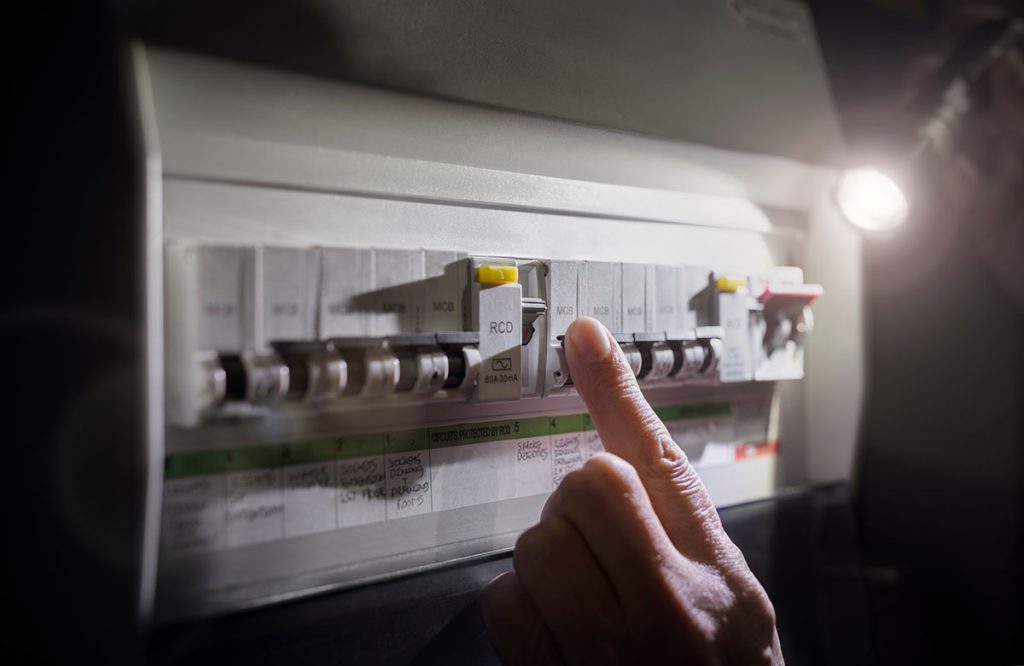
RCDs, or safety switches, are a proven way to reduce your risk of electrical shock. All the power in your home runs through the switchboard, so is it vital to have Safety Switches (RCDs) installed and maintained.

Even though RCDs are readily available, effective, and affordable, many Australian homes lack safety switches.

Here, I’ll cover why RCDs are one of the most important ways to keep you and your family safe against electrical hazards.

Understanding RCDs and Safety Switches

An RCD is a safety measure that switches off electricity instantaneously if an electrical fault is detected.

RCDs, also known as residual current devices, monitor the electric current in circuits. RCDs cut electricity within milliseconds if electricity is flowing where it shouldn’t.

This provides significant protection against electrical fires, electrocution, and electric shock.

I often have customers ask me about the difference between an RCD and a circuit breaker. Many people view circuit breakers and RCDs as interchangeable but these safety devices serve different purposes.

Here is a simple way i like to describe the different between RCDs and circuit breakers:

  • RCDs — Designed to protect people against electrocution
  • Circuit Breakers — Designed to protect electrical cables and appliances

Why RCDs Are Essential for Home Safety

Electrical faults can lead to electrocution, electrical fires, and other serious hazards. RCDs are a proven way to prevent potentially fatal accidents, such as electrical fires or electric shock.

RCDs are especially important in wet areas, such as kitchens, bathrooms, and laundry rooms.

Without RCD protection, a malfunctioning appliance may go unnoticed until it is too late and a shock occurs. If a person comes into contact with this electricity, it can be fatal.

Safety switches work by detecting current leaking from a circuit to the earth. By stopping the current within milliseconds, it significantly reduced a person’s risk of death or serious injury.

Unfortunately, around 15 Australians lose their lives every year in electrical accidents that could have been prevented by safety switches.

Even though RCD safety switches are readily available and legally required, many Australian homes do not have them.

This may be a result of confusion between RCDs and circuit breakers. Many homeowners mistakenly believe circuit breakers provide adequate protection against electrical hazards.

Our mission at Limelight Electrix is to educate homeowners on the immense importance of RCD safety switches.

If your home does not have RCD safety switches or you are unsure if your safety switches are working, contact a licensed electrician immediately.

Western Australian Regulations for RCDs

Because of the crucial protection and safety they provide, RCDs are legally required in Western Australia.

WA’s Department of Energy, Mines, Industry Regulation, and Safety states “all residential premises to be sold, rented or hired must have at least two RCDs protecting the final sub-circuits to socket outlets and lighting”.

A lot of my customers ask if they still need RCDs even if their home has circuit breakers. The answer? Absolutely.

You are still required to have a minimum of two RCDs even if your home already has circuit breakers.

Remember, safety switches protect people while circuit breakers protect things.

Circuit breakers can prevent short circuits and overloading but they do not offer protection against electrocution.

Residual current devices (RCDs) are more sensitive and effective than circuit breakers in preventing electrocutions and electrical fires.

RCDs provide protection against electrocution, which is why WA homes are required to have at least two safety switches.

Although two RCD switches are the minimum requirement, your home may need more. A licensed electrician contraction can determine exactly how many RCD safety switches you need for adequate protection.

Failing to comply with WA’s RCD regulations can result in penalties and fines. Failing to install at least two RCDs in your home also puts you at risk of potentially fatal electrical hazards.

How Often Should RCDs Be Tested or Replaced?

RCD protection is a proven way to reduce the risk of electrical shock, electrical fires, and other hazards. However, your RCD safety switches must be in good working condition to perform properly.

RCD testing and maintenance is imperative to ensure you are sufficiently protected. If an RCD cannot trip, damage can occur over time and put your home at risk of electrical hazards.

WA’s Department of Energy, Mines, Industry Regulation, and Safety recommends these steps to RCD testing:

  • Check your safety switch according to the manufacturer’s instructions or once every three months (whichever is more frequent)
  • *Portable RCDS should be tested every time they are used or in accordance with the manufacturer’s instructions
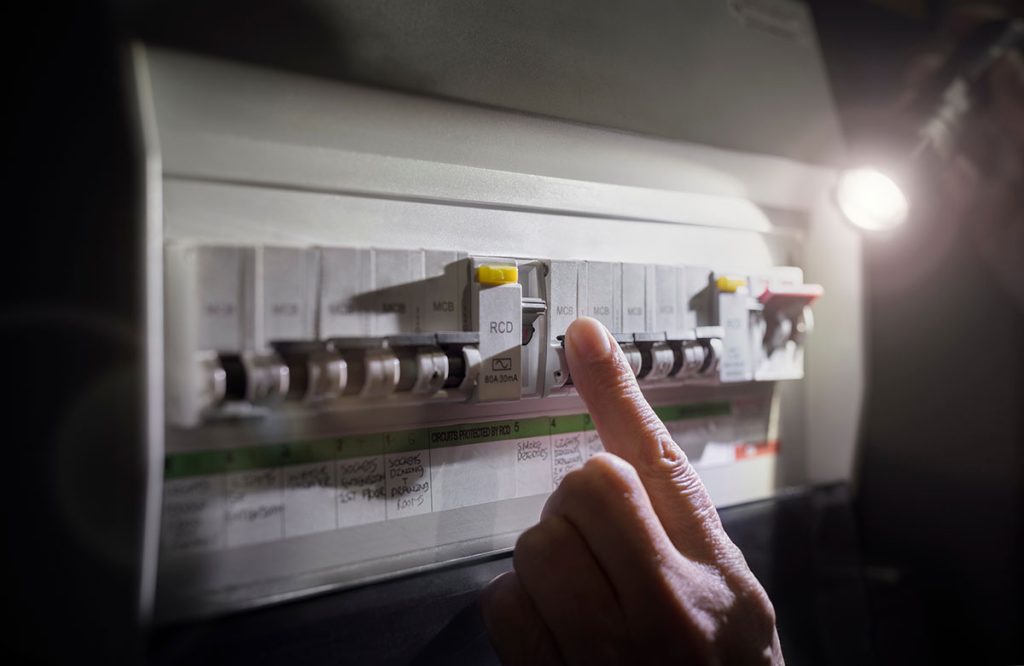
  • If your metre box is in good condition, open it and press the “Test” button on each RCD (To find the test button, look for the “T”)
  • The switch should immediately flip to the “OFF” position
  • Flip the switch back on to reset it

If you notice any issues during the RCD testing process, contact a licensed electrician right away.

If you are not confident performing the testing on your own, enlist the help of a licensed electrician.

RCD switches should be replaced in the event of damage or faulty wiring. I recommend having your RCD switches professionally inspected and maintained on an annual basis. A professional wiring check should be scheduled at least once a decade.

Choosing the Right RCDs for Your Home

RCD safety switches come in a variety of types and ratings. When choosing the right RCDs for your home, it is important to make sure the RCD is compatible with your circuit.

When selecting an RCD type for your home, consider:

  • Type of supply
  • RCD voltage rating
  • Application
  • Frequency range
  • Current rating

If you need help choosing the right RCDs for your home, our team is glad to help. We know it can be confusing sorting through all the types of RCDs. We can help you select the proper type and capacity that is compatible with your circuit.

Since RCD safety switches are powered by mains electricity, they must be installed by a licensed electrician.

Our Commitment at Limelight Electrix to Ensuring Electrical Safety

Limelight Electrix is dedicated to ensuring your home is protected against electrical hazards. Your peace of mind is our goal.

We offer comprehensive RCD and Safety Switch services, including:

  • RCD & Safety Switch Installation — We provide professional RCD and safety switch installation services using the highest quality equipment and uncompromising safety standards.
  • Safety Switch Replacement — We offer expert replacement services for faulty or malfunctioning safety switches. We quickly diagnose and fix safety switch issues to maintain the integrity of your electrical system.
  • Safety Switch Upgrades — Outdated or inadequate safety switches put your home at risk of electrical hazards. Our safety switch upgrade and replacement services ensure compliance with all current regulations and optimal performance.
  • RCD Testing and Maintenance — Along with regularly testing your RCD switches on your own, we offer professional RCD testing. Whether you aren’t comfortable doing it on your own or want us to perform a thorough inspection we’ll ensure your safety switches are working as they should. We can also educate you on the proper steps to maintaining your safety switches.

Is Your Home Protected Against Electrical Hazards?

RCDs and safety switches are one of the most important ways to protect your home and family. RCDs are also legally required in WA for safety and compliance.

Ensure your home’s electrical safety with our dedicated team of licensed experts at Limelight Electrix.

We provide a free safety inspection with every service, up front pricing, exceptional customer service, and quality parts. Take the important step of protecting your home against electrical hazards by contacting us to schedule your consultation today.

Smoke Alarm Replacement and Maintenance Regulations in WA

Did you know a properly installed and working smoke alarm can cut your risk of death by half in a fire? Smoke alarms are one of the most effective ways to protect you, your home, and your family from smoke inhalation and fires. Unfortunately, smoke alarm replacement is often an afterthought for many homeowners.

Our smoke alarm replacement guide will cover:

  • Why a working smoke alarm is crucial for safety
  • WA smoke alarm laws
  • Smoke alarm testing
  • Signs a smoke alarm needs replacement
  • How to maintain your smoke alarm

Why Regular Maintenance and Replacement Are Crucial

Most people are surprised when we tell them that smoke inhalation is the most dangerous risk in a house fire.

If you or your family are sleeping and a fire starts, you may not realise a smoky smell in time. A working smoke detector will give you the warning needed to avoid dangerous smoke inhalation and get out safely.

As stated by the Government of Western Australia Department of Fire and Emergency Services, “only working smoke alarms save lives”.

How Often Should Smoke Alarms Be Replaced or Serviced?

General Guidelines for Replacing Smoke Alarms

The WA Department of Fire and Emergency Services states that all smoke alarms should be replaced every 10 years. A licensed electrical contractor is legally required for installing and disconnecting mains-powered smoke alarms.

We also recommend replacing your smoke alarm if:

  • It is visibly worn or malfunctioning
  • The manufacturer suggests replacing it sooner than 10 years (most brands will list have a 10 year lifespan but some expire sooner)
  • The smoke alarm continually chirps or beeps even after the battery has been changed
  • The alarm doesn’t sound properly during tests
  • You experience frequent false alarms

How Often Should a Smoke Alarm Be Serviced?

Regular professional maintenance and servicing ensure the smoke alarm isn’t discoloured, damaged, or malfunctioning.

We recommend having your hard-wired or battery-powered smoke alarms professionally inspected and tested annually.

Legal Requirements for Smoke Alarms in Western Australia

WA properties must legally adhere to a variety of regulations and smoke alarm laws, including:

  • Homes constructed after 1 July 1997 must have smoke alarms connected to the main power (240V hard-wired smoke alarms)
  • Battery-powered smoke alarms may be acceptable where mains-powered installation isn’t an option
  • Since 1 October 2009 mains-powered smoke alarms must be fitted in all existing residential buildings before the transfer of ownership, rent, or hire
  • Mains-powered smoke alarms must be installed by a licensed electrical contractor
  • Smoke alarms must be positioned according to the requirements of the Building Code of Australia
  • From 1 May 2017, all newly installed smoke alarms must comply with Australian Standards Mark AS 3786:2014
  • Must be interconnected if the home was built after 1 May 2015
  • Smoke alarms must be replaced after 10 years

For a detailed look at WA Smoke Alarm Legal Requirements, see Western Australia’s Department of Fire and Emergency Services “Smoke Alarms and the Law” section of their resource page.

Signs That Your Smoke Alarm Needs Replacement

Smoke Alarm Testing

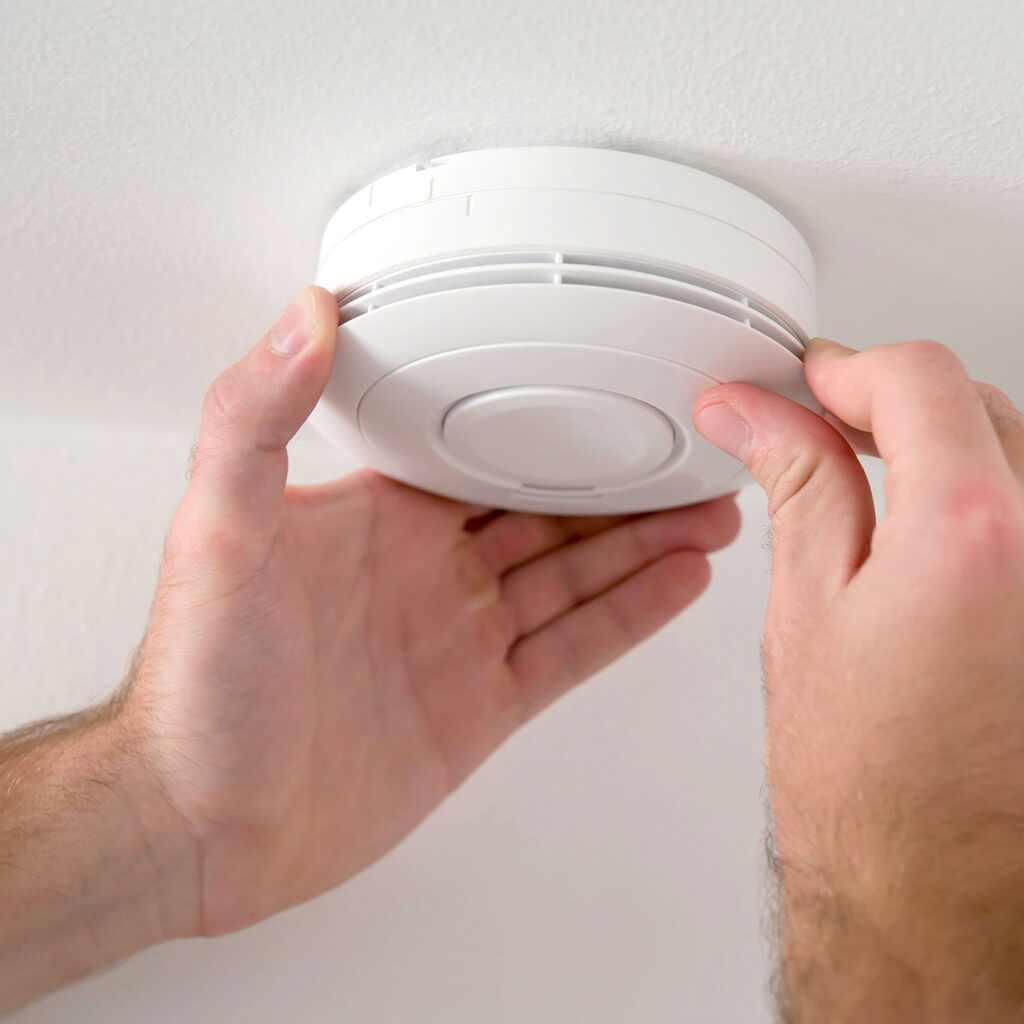
It is important to test your smoke detector once a month or according to the manufacturer’s instructions. This helps ensure the smoke alarm is protecting you as it should.

When testing the alarm, make sure it responds instantly and correctly. If the alarm fails to sound, contact a licensed electrician right away.

Smoke alarm testing is a great time to make sure all members of your home recognise the alarm and what to do when it sounds.

Signs Your Smoke Alarm Needs to be Replaced

Here are some common signs your smoke alarm may need to be replaced:

  • It won’t stop chirping or beeping, even after a fresh battery has been put in
  • The unit is visibly damaged
  • The unit is older than 10 years
  • The alarm fails to sound during testing
  • The manufacturer’s expiration date is past
  • It has faulty parts
  • The alarm has yellowish discolouration (this could indicate issues with corrosion)
  • The alarm is weak-sounding

Important Smoke Alarm Maintenance Tips

Dust build-up, old batteries, and corrosion can make a smoke alarm malfunction or quit working. Battery-powered and mains-powered smoke alarms require consistent maintenance to ensure they work properly.

Follow these smoke alarm maintenance tips to keep your smoke alarms functioning efficiently and correctly:

  • Test the smoke alarm monthly
  • Change the batteries once a year (choose a memorable date), when the low-battery sound chirps, or according to the manufacturer’s instructions
  • Do not paint over a smoke alarm
  • Do not place stickers or tape on a smoke alarm
  • Make sure there are no obstructions near the smoke alarm
  • Wipe down the unit regularly to keep it free of dust and debris
  • Ensure the green light is on if the unit is mains-powered
  • Vacuum the vents with a soft-bristle brush attachment twice a year
  • Make sure smoke alarms are securely attached to the wall or ceiling
  • Read and follow the manufacturer’s instructions
  • Spray the exterior of the alarm with a pest prevention spray, if needed
  • Schedule an annual professional smoke alarm inspection

Benefits of Professional Smoke Alarm Services

Benefits of installing alarm systems such as these include:

  • Enhanced safety for you, your family, and your home
  • Early fire detection and warning
  • Potentially lower home insurance costs
  • Peace of mind knowing you’re protected
  • Easy to use and maintain
  • Can be interconnected for whole-home coverage
  • May increase property value
  • Faster emergency response times

At Limelight Electrix, we install mains-powered (hard-wired) and battery-powered smoke alarms.

Along with professional smoke alarm installation, our experienced electricians specialise in comprehensive smoke alarm services, including:

  • Smoke alarm maintenance
  • Smoke alarm inspections
  • Smoke alarm compliance with WA regulations
  • Smoke alarm repair services
  • Smoke alarm upgrades

As a family-owned and operated local business, we are deeply rooted in the Perth community. Your safety is our priority and we show that through our timely service and superior-quality work.

If you have any smoke alarm questions or concerns, we are here to help with same-day service anywhere in Perth and a free consultation.

Contact Perth Smoke Alarm Experts

Adhering to WA smoke alarm regulations and maintaining your smoke alarm is crucial for keeping your home and family safe.

If you are unsure if your smoke alarm complies with current WA regulations or need a new smoke alarm installed, get in touch with our team.

From new installation to upgrades to repairs, our electricians will ensure your smoke alarm adheres to WA smoke alarm laws and works reliably and effectively.

Contact our team of certified electricians for smoke alarm installation tailored to your home layout and needs. Our goal is to give you the ultimate peace of mind that a reliable smoke alarm system offers.

The Importance of Earth Rods in Modern Perth Homes

Ensuring the safety and reliability of your home’s electrical system is crucial, especially in older homes. One key component in achieving this safety is the proper installation and maintenance of earth rods. For homeowners in Perth, understanding the role of earth rods and recognising when they need attention can prevent electrical hazards and protect your home.

What is an Earth Rod?

An earth rod, also known as a grounding rod, is a metal rod driven into the ground to provide a low-resistance path for electrical current to safely dissipate into the earth. This is a critical safety feature that helps protect against electrical faults, lightning strikes, and static electricity build-up. In Australian homes, the earth rod is typically connected to the electrical system via a green and yellow striped cable, ensuring any stray electrical current is safely directed away from the property.

Why Earth Rods are Important to Your Home

Understanding the importance of earth rods in your home’s electrical system is crucial for ensuring safety, preventing damage, and complying with regulations. Here’s why earth rods are essential:

  • Safety: Protecting Against Electric Shocks – Earth rods protect you and your family from electric shocks by providing a direct path for stray electrical currents to safely dissipate into the ground. This is particularly important during electrical faults, where the risk of electric shock is significantly heightened. By diverting dangerous electrical currents away from living spaces, earth rods minimise the danger of severe injury or even fatality, making them a critical component in your home’s safety system.
  • Preventing Damage – Safeguarding Your Home and Appliances – Electrical systems can experience surges or faults that generate excess electrical energy. Earth rods prevent damage to your appliances and the electrical infrastructure by diverting this excess energy into the ground. This helps prevent electrical fires and protects your valuable electronics from damage, saving you from costly repairs or replacements.
  • Regulatory Compliance – Meeting Modern Safety Standards – Modern Australian regulations mandate the installation of earth rods to ensure homes have a reliable and safe earthing path. Compliance with these regulations is crucial for maintaining a safe living environment and avoiding legal penalties. These regulations are in place to standardise safety measures and ensure that every home is equipped to handle electrical faults safely, thus protecting homeowners and their families from potential hazards.

How Do Earth Rods Work?

Earth rods function by creating a direct connection between the electrical system and the ground. When electrical faults occur, such as short circuits or lightning strikes, the earth rod provides a path for the excess current to travel safely into the earth, preventing it from causing harm to people or damage to the electrical system and appliances.

The Role of Conductors

Conductors, usually green and yellow striped cables, connect the electrical system to the earth rod. These conductors are crucial for the proper functioning of the earthing system, as they ensure a low-resistance path for electrical currents.

How To Check Your Home’s Earth Rod

Homeowners can perform a basic visual inspection of their earth rod system. Here’s how:

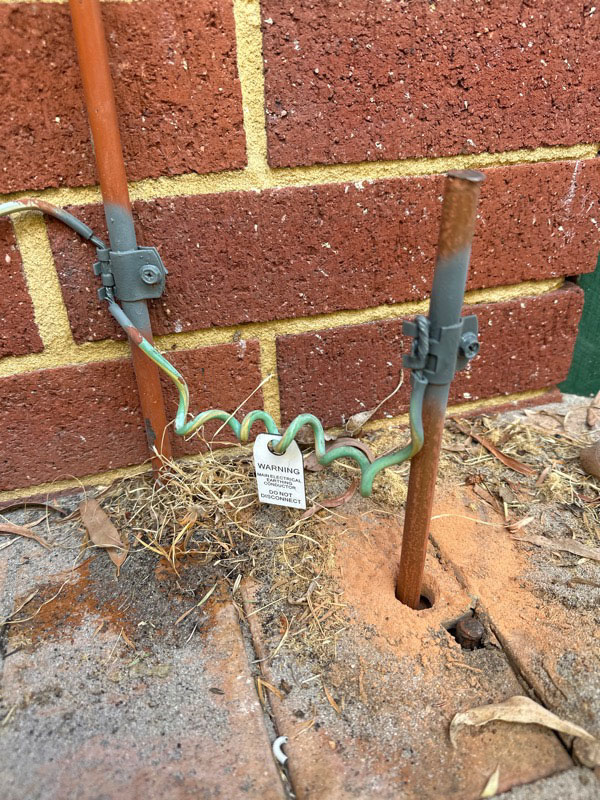
  • Locate the Earth Rod: Typically found near external copper water pipes, below a tap, or near the hot water system. It’s often installed at a spot where it can easily connect to the water pipes.
  • Check the Connections: Ensure the green and yellow striped cable is securely connected to both the water pipe and the earth rod. The connections should be tight and free from any visible signs of wear or corrosion.
  • Look for Tags: There should be a tag indicating “main earthing rod and cable”. This tag helps in identifying the primary earthing components, confirming the system is up to standard.

If you notice any signs of corrosion, or loose connections, or if your home lacks an earth rod altogether, it’s crucial to contact a professional electrician for further inspection and necessary upgrades. Regular checks can help maintain your home’s electrical safety and compliance with current regulations.

Do Older Homes in Perth have Earth Rods?

Homes built in the 1970s or earlier might not have an earth rod, relying instead on a green electrical cable (or even bare copper in older homes) clamped onto an external water pipe. However, this method does not meet current safety standards and poses significant risks. Modern regulations mandate the use of a copper-coated rod for its superior resistance to corrosion and reliability.

Upgrading Your Earthing to Modern Australian Standards

If your home lacks an earth rod or uses outdated earthing methods, upgrading to a modern copper-coated rod is essential. Here’s why:

  • Corrosion Resistance: Copper-coated rods resist rusting, ensuring a long-lasting and reliable earthing system.
  • Enhanced Safety: Provides a more secure path for electrical currents, reducing the risk of electrical hazards.
  • Compliance: Meets current Australian electrical safety standards.

Installation and Maintenance of Earth Rods

Installing an earth rod involves driving a copper-coated rod into the ground, ensuring it reaches a depth where it can effectively dissipate electrical currents. The green and yellow striped conductor cable is then securely attached to the rod and connected to the electrical system. Proper installation is critical to ensure the system functions correctly and meets safety standards.

Our Maintenance Tips for Earthing Devices

  • Regular Inspections: Periodically check the condition of the earth rod and its connections.
  • Corrosion Prevention: Ensure connections are coated in galvanised spray to prevent corrosion.
  • Professional Checks: Have a licensed electrician inspect your earthing system during routine electrical safety inspections.

When to Call an Electrician

While homeowners can perform basic checks, a professional electrician should handle any concerns about your earthing system. We offer comprehensive electrical safety inspections, particularly for older homes. An expert inspection will ensure your home’s earthing system is up to standard, protecting your property and family from potential electrical hazards.

  • Loose Connections: If you notice loose or corroded connections.
  • No Earth Rod: If your home lacks a visible earth rod.
  • Outdated System: If your home still uses an old earthing method with bare copper or green cables.

Earth rods are a fundamental component of a safe and compliant electrical system. Regular checks and understanding the importance of these devices can prevent significant risks and ensure your home remains safe. For any concerns or professional inspections, we are here to help, ensuring your electrical system is up-to-date and secure.

By ensuring your earth rod and earthing system are properly maintained, you can protect your home from electrical hazards and ensure compliance with modern safety standards. Don’t wait until there’s a problem – regular inspections and maintenance can save you from costly repairs and dangerous situations.

What to Do When There is a Power Outage?

An unexpected power outage can be unsettling but knowing what to do if you lose power and being prepared can help you stay calm.

If you find yourself without power, our guide will cover the first steps in a power loss situation, how to prepare for power outages and electrical emergencies, and when to call an emergency electrician.

What To Do If the Electricity Goes Off

If the power goes out, the first priority is keeping yourself and your family safe. Next, you can take steps to stay comfortable and protect your electrical appliances and equipment.

Here are the first steps to take if your electricity goes off: 

  • Stay calm
  • Practice emergency electrical safety
  • Check the coverage of the power outage – Is it just your home or the entire area?
  • Disconnect electrical appliances to protect them from damage if a power surge happens
  • Disconnect other electronic equipment or devices
  • Consider turning off the power to your switchboard to protect against power surges
  • Do not open your fridge or freezer – this will help prevent food from spoiling
  • Leave the inspections for a professional — do not try to fix the situation yourself 
  • Use a torch for lighting – We prefer torches to candles as they are safer. If you do use candles, never leave them unattended and keep them away from anything flammable.
  • Avoid turning breakers on and off. Circuit breakers should automatically shut off if there is an overload. 
  • If needed and if it is safe, move to a different location for cooling or heating
  • Notify family, friends, or neighbours of the situation
  • After the outage, check surge protectors first before reconnecting your electrical appliances and devices 
  • When the power comes back on, wait 10 to 20 minutes before plugging electronics or appliances back in 
  • When in doubt, contact a local emergency electrician or emergency services for assistance 

Common Causes of a Power Outage

Unexpected power outages can happen for a variety of reasons, from extreme weather to faulty technology.

Common causes of blackouts include:

  • Fallen trees or branches that damage power lines
  • Earthquakes
  • Electrical failures or faulty equipment
  • Lightning
  • Heavy wind or rain
  • Intense storms
  • Car accidents

How Can I Prepare for a Power Outage?

A bit of planning can save a lot of frustration during a power outage and help you stay calm during an electrical emergency. 

Here are 4 ways to prepare for a power outage:

  1. Have a Surge-Protecting Power Bar Installed – Installing a surge-protecting power bar is an effective way to protect your electrical appliances in the event of a power surge. 
  2. Have an Emergency Plan in Place – Have an emergency plan in place so your family knows what to do during and after a power outage. Discuss where emergency supplies are, discuss electrical emergency safety tips, and practice escape routes if an electrical fire occurs. 
  3. Educate Yourself and Your Family About Electrical Emergencies – Power outages are often the result of downed power lines or lightning strikes, both of which could lead to fires. You and your family should know how to stay safe in the event of a fallen wire, electrical fire, or damaged power lines. It is important to discuss safety tips for an electrical emergency before it occurs. This is not an exhaustive list, but here are some important electrical emergency safety tips:
    • Have contact information for a local emergency electrician handy so you know exactly where to find it 
    • Stay at least 10 to 15 metres away from faulty or fallen power lines and notify emergency services if you notice downed wires 
    • Always assume any broken power lines are still live
    • Never touch an object that is in contact with a fallen power line
    • If someone gets an electric shock, do not touch them. Turn off the power source right away if possible. Use a non-conductive object to separate the person from the electricity source if possible. Call the Ambulance Service on 000.
    • For an electrical fire, turn off the power source if you can safely do so. Try to put out the fire with a Class C fire extinguisher, baking soda (for small fires), or a fire blanket. Do not use water on electrical fires. If you cannot cut the power supply, you will need a Class E fire extinguisher. Evacuate immediately and call 000. 
    • Even if you put out a fire, emergency services should still check the premises to ensure there are no smouldering objects or wires. 
    • When in doubt, contact your local emergency electrician or emergency services
  4. Have an Emergency Kit on Hand – Be prepared for an electrical emergency with a kit that includes items such as:
    • A basic first aid kit that includes gauze, bandages, antibacterial ointment, etc.
    • Sanitation products (i.e. toilet paper, soap, garbage bags with ties, etc.)
    • Torches
    • Spare batteries
    • Battery-operated fans
    • Drinking water
    • A car charger you can use to charge your cell phone 
    • Non-perishable food items
    • Manual can opener
    • Basic tools (i.e. utility knife, pliers, wrench, etc.)
    • Small fire extinguisher
    • Duct tape
    • Matches in a waterproof container

Is It Just My House or Has Everyone Lost Power?

If your power goes out, one of the first steps is determining if it is just affecting your house or if neighbouring houses also lost power.

An easy clue is looking outside. Do the neighbours have lights on? Are there street lights on? If so, your property may have an electrical fault.

To know for sure, check with your relevant local power authority. To check power outages in and around Perth, we recommend visiting Western Power who builds, maintains, and operates the electricity network in the southwest corner of Western Australia.

If it is an area-wide outage, the power company will be responsible for restoring electricity to the area. If you notice damaged or downed wires, notify emergency services.

Who to Call When the Power Is Out?

If your power is out but you realise that only your home is affected, call a local emergency electrician such as Limelight Electrix.

We can immediately provide support and dispatch an emergency electrician to your home in the event of a power outage or electric failure.

Our licensed electricians are available 24/7 for any electrical concern, ensuring you have peace of mind during an electrical emergency.

We also offer electrical inspections to ensure your home’s electrical systems are working properly. We can evaluate your switchboard and safety switches to help prevent electrical emergencies.

Contact Limelight Electrix any time with concerns or call us on 1300 880 761 to schedule an inspection.

Our Essential Guide to Upgrading Your Home’s Lighting

Whether you are building a new home or looking to make some upgrades in your current home, we always remind homeowners to remember the importance of lighting.

If you are curious about what type of lights to use in each room, if you should switch to LED lights, or how to use lighting layers, we put together this guide to help you choose lighting that adds function, efficiency, and beauty to your home.

Our essential lighting upgrade guide will cover:

  • Popular types of light fixtures
  • Different types of light bulbs
  • Benefits of LED lighting
  • Bulb warmth and colour
  • The different lighting layers
  • How to use lighting layers in a home
  • How to select lights for different rooms in your home

Popular Types of Light Fixtures in Australia

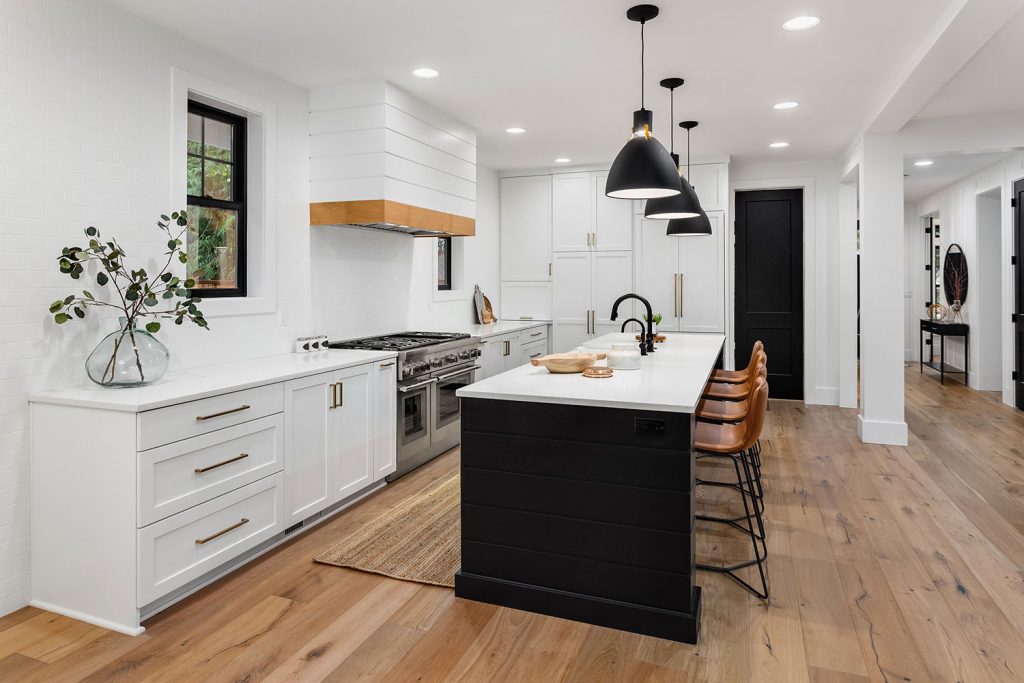
  • Pendant LightsPendant lights are a type of ceiling light, usually connected by a rod, chain, or cord. They provide a single source of light and are highly popular, especially in kitchens and dining rooms.With a broad range of designs, sizes, and styles available, they can complement any decor while adding functional lighting.Ideal for: Kitchens (especially above an island or the sink), dining rooms
  • Downlights and Recessed LightingDownlights are another type of ceiling light fixture. Also known as recessed lighting, these light fixtures are mounted in the ceiling and cast light downward. The result is a light fixture that is flush with the ceiling, creating a clean, modern look.Recessed lighting casts light downward, making it best for task or ambient lighting. Because it is flush with the ceiling, recessed lighting works especially well in rooms with low ceilings.
  • Ideal for: Closets, kitchens, rooms with low ceilingsTrack Lighting and SpotlightsTrack lights and spotlights are mounted to the ceiling or wall. Track lighting features adjustable heads that can be used to cast light in a particular direction.Ideal for: Task lighting, accent lighting, kitchens, bathrooms
  • Wall LightsWall lights are directly attached to walls and can be used to direct light upwards rather than down.Wall-mounted lights are a great light source in areas with limited space. With thoughtful placement, wall-mounted lights can create the illusion of a larger room. Wall lights are also ideal for task lighting, such as in a reading nook or next to your bed.Avoid exposed bulbs, mount them at eye level, and stick to warm bulb colours for the best results with wall lights.Ideal for: Smaller rooms, next to a bed, in a reading nook, hallways
  • Desk and Table LampsDesk and table lamps are primarily about function and convenience but they can also add visual interest to a space.Table lamps offer direct task lighting, making them an ideal bedside addition for a before-bed reading session. Choose a darker shade for an elegant, mysterious mood or a light-coloured shade for diffused, ambient lighting.Their portability makes them versatile and convenient, offering a quick way to reposition lighting based on what you are doing or where you are in the room.Ideal for: Bedside tables, a study, the home office, next to the couch
  • Floor LampsFloor lamps blend visual interest, style, and function into one, making them a tried-and-true lighting option.With the ability to reposition a floor lamp to different areas of the room, they are perfect for task lighting. Floor lamps also add a layer of ambient lighting, creating a truly versatile lighting fixture.Ideal for: Living areas, high ceilings, next to a couch or reading nook
  • LED Strip LightsLED strip lights consist of a flexible circuit board with surface lights mounted on it. With an adhesive backing, the flexible strip can be easily mounted just about anywhere in the home.With a heavy focus on function, they can be used to illuminate dark spaces or corners where traditional light fixtures won’t fit.Ideal for: Cramped or awkward spaces, in closets, under cabinets, under vanities above splashbacks, on stairs, surrounding mirrors, under beds, behind shelves

Different Types of Light Bulbs

  • Light Emitting Diodes (LEDs)LEDs boast the most energy-efficiency of any type of light bulb. They also offer an impressive lifespan of approximately 25,000 hours and up (some brands boast 50,000 hours or more!).LED lighting is our most recommended lighting type for its high energy efficiency, reliability, and long lifespan.LED lighting is also incredibly cost-effective. Although LED lighting upgrades cost more initially, the investment often pays for itself over time due to the minimal replacement costs and energy savings.Because of their versatility, LED lighting can be used in any room of the home. LED lighting upgrades are also ideal for tight or awkward spaces, such as cabinet interiors.Benefits of LED lighting include:
    • Softer lighting that is less harsh on the eyes
    • Versatile
    • High energy efficiency
    • Long lifespan
    • Free of UV rays
    • Give off less heat than other types of light bulbs
    • Long-term savings due to reduced replacement costs and potential for lower energy bills
  • Incandescent LightingIncandescent lights have extremely low energy efficiency and short lifespans. Although incandescent lighting has been phased out, we’ve noticed many Australian homes still have at least a few incandescent lights.We’ve had plenty of homeowners contact us about switching from incandescent lighting to LED lighting. We’re always happy to help homeowners to transition to more eco-friendly lighting!
  • Compact Fluorescent Lighting (CFL)Compact fluorescent lighting is efficient and offers a respectable lifespan of around 10,000 hours. However, they require a lengthy warm-up before they reach their full lighting capacity.Typically, it takes up to 5 minutes (or more) for compact fluorescent lighting to reach its full brightness.When homeowners ask us if they should consider upgrading from CFLs to LED lighting, our answer is almost always “Yes!”. Along with emitting UV rays that distort colour, CFLs contain mercury, a toxin that can harm the environment, people, and pets if it isn’t handled or disposed of properly
  • Halogen LightsHalogen lights feature a small glob inside a larger glass bulb. Despite being fairly energy efficient and offering a decent lifespan (around 3000 hours), halogen lights are being phased out in Australia due to the heat and harmful UV rays they emit.
  • Smart GlobesSmart globes are quickly gaining popularity as a modern, tech-friendly lighting option. Smart globes are a type of LED lighting that uses technology to create a convenient lighting solution.Using smart technology paired with a voice assistant, smart globes feature options such as:
    • The ability to control the lights remotely
    • The option to schedule colour changes throughout the day
    • The ability to dim the lights with a simple voice command

What Are Lighting Layers in a Home?

Lighting layers refer to a strategic use of lighting to enhance how a space looks and functions.

Getting the right balance of lighting layers can add to your home’s appeal, function, and aesthetics while ensuring you have the right lighting solution for every situation.

  1. Accent Lighting – Accent lighting is targeted, directional lighting that can be used to highlight an item or draw attention to a favourite piece of art. Types of accent lighting includes wall lights, picture lights, spot lights, and track lights.
  2. Ambient lighting – Ambient lighting involves illuminating an area with the intention of setting a certain mood or evoking a particular feeling. Ceiling lights, track lighting, and pendant lights are common light fixtures used to achieve ambient lighting.
  3. Task Lighting –  Task lighting is primarily focused on function and is used to illuminate work areas, home offices, cooking areas, bathroom mirrors, bedside tables, and reading nooks. Common light fixtures for task lighting include table lamps, floor lamps, pendant lights, and LED strip lighting.

Picking Your Light Bulb Warmth And Colour

Lighting is measured by the colour temperature of a bulb. The Kelvin (K) rating indicates a bulbs colour temperature. The higher the Kelvin rating, the brighter and whiter the light will be.

Bulb colour and warmth can be used for functional purposes, such as cool lighting for task-focused areas or warm lighting for creating a cosy, inviting vibe.

Here are the three main bulb colours and how they affect a space:

  • Cool white bulbs (3100K to 4500K)  — Neutral white light that is ideal for evoking a clean, modern, energetic atmosphere and task lighting for bathrooms, work areas, and kitchens
  • Warm white bulbs (2700K to 3000K) — Soft yellow tones that are great for making living rooms, dining rooms, and bedrooms feel cosy, relaxing, and inviting
  • Daylight bulbs (5000K to 6500K) — Similar to bright natural daylight, great for workspaces or study areas that require good lighting for tasks, reading, or homework

How to Select Lights for Different Rooms In Your Home

Selecting lighting for your home is simple, we’re going to give the run down on each room, tips for selecting the types of lighting including bulbs and placement. This all comes from our experience installing lights in Perth Homes.

Choosing Lighting for the Kitchen

Kitchen lighting should be a balance of ambient, accent, and task lighting. The varied light sources allow the lighting to be customised depending on how you are using the kitchen at that time.

Carefully chosen lighting layers will ensure you have the appropriate light source for all your cooking, cleaning, or entertaining.

Tips for choosing kitchen lighting: 

  • Start with downlights or pendant lights to create ambient lighting and proper illumination
  • Place task lights strategically over work areas (the island, the sink, and the stove)
  • LED strip lighting underneath cabinets adds a modern, luxurious look and function
  • Consider a skylight to add elegance and natural light
  • Nothing beats downlights or statement-making pendants over an island for the ideal mix of visual appeal and function
  • Choose a mix of cool white bulbs for tasks, such as food prep, and warm white bulbs for gatherings or meals

Choosing Lighting for the Dining Room

As with the kitchen, lighting layers are important in a dining room. Opt for a mix of bright lighting for enjoying a cup of coffee in the morning while reading the paper and warm lighting for enjoying meals or entertaining.

While chandeliers are the long-standing classic for dining room lighting, don’t be afraid to experiment with different lighting fixtures. For instance, a statement-making pendant over your table can be a beautiful way to add ambient lighting to your dining room.

Tips for choosing dining room lighting:

  • Use your table as a guide — opt for a row of pendants for rectangular tables or a single lighting fixture as the focal point for round tables
  • Be careful not to hang chandeliers or pendants too low — it can interfere with guests as they try to interact with each other access the table
  • Pay attention to room size when choosing a light over your dining room table — the general rule is that a larger room can accommodate a larger pendant light, linear fixture, or chandelier

Choosing Lighting for Living Areas

Living rooms need a mix of stylish yet functional lighting, making them one of the most important rooms to use lighting layers wisely.

Consider what you use your living room most for. Do you have frequent movie nights? Do you do a lot of game nights or family gatherings? Or do you mostly spend time reading or just hanging out in your living room?

Once you determine how you use it most, you can narrow down the best lighting options. Often, we recommend a mix of task lighting, ambient lighting, and accent lighting to ensure you can adjust the lighting for any use.

Tips for choosing living room lighting:

  • Choose dimmable lights so you can lower the lights when relaxing, turn them off completely for a scary movie, or brighten them for reading or playing card games
  • Consider strip lighting behind the TV for an affordable, easy way to create a fun cinematic experience
  • Ceiling lights, such as downlights or pendants, are ideal for creating ambient lighting in a living room
  • A floor lamp or table lamp by your couch is ideal for living room task lighting and can be positioned elsewhere in the room if needed
  • For the last lighting layer, add accent lighting to brighten dark corners or show off your favourite artwork

Choosing Lighting for Bedrooms

Our biggest recommendation when choosing lighting for a bedroom is paying attention to bulb colour. A bedroom should promote restful, calming vibes that help you feel relaxed and at ease.

Tips for choosing bedroom lighting:

  • Start with ceiling lights, such as downlights, for ambient lighting
  • Add a bedside table lamp or floor lamp for task lighting
  • Choose warmer colour bulbs to create a calming vibe to help you unwind and relax
  • Avoid cool colour bulbs that feel too energetic and make it difficult for your brain to recognise it is time to sleep (we recommend SleepFoundation.org to learn more about how lighting affects sleep quality)
  • Opt for a bedside lamp with a dimmer switch so you don’t have to blind yourself if you need to run to the bathroom in the middle of the night or want to read with softer lighting at bedtime
  • When choosing a table lamp, opt for one where the lampshade is in line with the top of your shoulders and just about at eye level — this will give off the ideal amount of light for reading

Choosing Lighting for the Bathroom

The most important factors for choosing bathroom lighting are safety and function. We recommend having at least one main light along with task lighting for grooming or applying makeup.

Opt for cool white lighting between 3100K to 4500K to provide adequate lighting without being too harsh.

Tips for choosing bathroom lighting:

  • If placing lights near taps, sink, wet areas, or the shower, check with a licensed electrician regarding safety considerations and the right IP rating (the Ingress Protection rating dictates how resistant electrical components are to dust and water)
  • For general bathroom lighting, consider a mix of ambient fixtures and task lighting
  • A dimmer on brighter light fixtures is ideal for early mornings when you want to get ready without overwhelming lighting or evenings when you are winding down for bed or soaking in the tub
  • Bright white task lighting installed at eye level on each side of a mirror is highly functional and convenient
  • LED strip lights create a clean, modern look while providing an indirect light source that is ideal for bathrooms, especially around mirrors or under vanities
  • Pay attention to placement — adding downlights to the middle of the bathroom or directly over a mirror can cast odd shadows

Customised LED Lighting Upgrades and Lighting Solutions From Limelight Electrix

Choosing lighting for your home is important for function but also for the overall atmosphere and visual appeal. When choosing lights for your home, consider important factors such as bulb colour, how the room is used, types of lighting fixtures, and lighting layers.

Since 2008, our family-owned has been helping customers find the ideal lighting solutions for their home and providing safe, quality installation. If you are interested in LED lighting upgrades for your home, we would be happy to help you choose the right light fixtures or schedule an installation.

Reasons to Consider a Switchboard Upgrade in Your Older Home

As technology evolves and safety requirements change, switchboards can become outdated and unsafe.

Your switchboard plays a vital role in protecting your home and family from electrical faults or shocks, so it is important to consider a switchboard upgrade if yours is outdated.

Here, we’ll cover signs that your switchboard needs an upgrade and the benefits of upgrading your switchboard.

What Is a Switchboard Upgrade?

We often tell our customers to think of the switchboard as the brain of your home’s electrical wiring. From your fridge to your AC system to the lights, the switchboard dictates where the electricity goes throughout your house.

If the switchboard is malfunctioning, older, or faulty, your appliances, electronics, and lights may not function reliably. Worse yet, you may be at risk of electrical faults, electrical fire or electrocution.

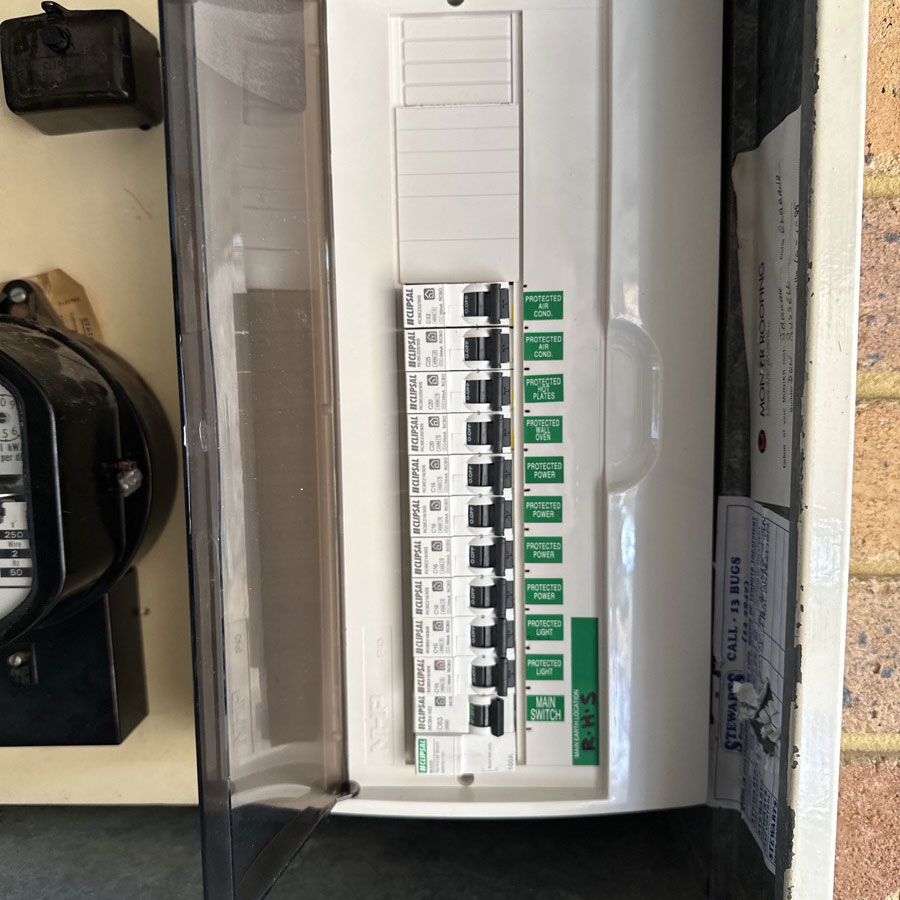
A switchboard upgrade involves taking out the old fuse box and outdated wiring and installing a modern circuit breaker panel. This instantly increases the safety of your home, cuts your risk of electrical fires, & electrocution and helps optimise the function of any electrical appliances or components in your home

How Much Does a Switchboard Upgrade Cost?

Your switchboard upgrade cost will depend on numerous factors, including:

  • The switchboard’s capacity
  • If your home needs to be rewired
  • The cost of add-ons or additional steps, such as mains upgrades & condition of the mains earthing system

The best way to get an accurate estimate is to obtain a quote with a licensed electrician.

Do I Need to Upgrade Switchboard?

We get asked about switchboard upgrades quite often. Here are 14 signs you may need a switchboard upgrade.

  • An Older Switchboard – Normal wear and tear eventually degrades switchboard components. In general, we recommend scheduling an inspection with a licensed electrician if your switchboard is 20 years or older or if you aren’t sure when your switchboard was installed.
  • Flickering Lights – The cause of flickering lights may be as simple as a loose light bulb. However, flickering lights can also indicate underlying electrical issues. If you notice flickering lights and do not have any loose light bulbs, a licensed electrician should evaluate your switchboard. Flickering lights may indicate a switchboard that is outdated, damaged, or faulty light switches.
  • No Safety Switches – Safety switches are crucial for detecting electrical shorts. Without safety switches, you are at risk of electrocution or electrical fires. Even though safety switches are readily available and affordable, many Australian homes are lacking this protection. Western Australia’s Department of Energy, Mines, Industry Regulation, and Safety requires that at least two safety switches are installed in all residences. If your home does not have safety switches, we recommend contacting a licensed electrician immediately.
  • Odd Noises or Smells – Odd sizzling or buzzing noises coming from outlets, light switch panels, or near lights are a possible sign you need a switchboard upgrade. Odd smells, especially burning smells, may indicate a melted or singed switchboard component. When in doubt, contact a licensed electrician to make sure your switchboard isn’t posing a fire hazard.
  • Short-Circuiting Appliances – Short-circuiting appliances may indicate an overloaded switchboard that needs to be upgraded.
  • Sparks or Shocks from Appliances – If an appliance sparks or gives you a mild shock when you plug it in, you may need a switchboard upgrade. Shocks from running appliances are an indicator of outdated safety switches or faulty grounding.
  • Failed Safety Switch Testing – Safety switches should be tested regularly to ensure they are functioning properly. If your safety switch fails when you do the push button test, you may need a switchboard upgrade.
  • Circuit Breakers Tripping or Blown Fuses – If your circuit breakers are tripping frequently without an apparent reason, it may be a result of an overloaded switchboard that can’t keep up with the electrical demands. Blown fuses are another sign your switchboard is struggling to keep up and may be overloaded.
  • Dangerous MaterialsCertain older switchboards were manufactured using dangerous materials such as porcelain and asbestos. Some older switchboards have backing panels that contain asbestos. If any work is done on the switchboard or if it is damaged, dangerous asbestos fibres can be released.Porcelain fuses in a switchboard are classed as a fire hazard due to their potential to create electrical arcing. This generates excessive heat and puts the switchboard at risk of catching on fire. Older ceramic fuses also pose safety concerns. Rewireable fuses are another warning sign. If your switchboard has rewireable fuses, contact a licensed electrician for a switchboard upgrade.
  • Non-Compliance with Updated Electrical Safety RequirementsAustralia regularly updates its energy safety standards, including switchboard upgrades. What may have been acceptable years ago is now deemed a fire hazard. Older switchboards often lack the protection measures that safeguard against electrical faults.As dedicated, licensed electricians, we stay up-to-date on all safety standards and compliance requirements. If you are unsure if your switchboard is compliant with current Australian Wiring Rules, safety standards, and local regulations, get in touch with our team.
  • Increased Electrical DemandsElectrical systems are under greater demand than just a few decades ago. Modern homes have more electrical appliances and higher electrical needs. Older switchboards can struggle to keep up with the electrical demand, putting you at risk of overheating, overloaded circuits, and electrical fires.If you are installing something with a high electrical demand, such as a new air conditioning system or a heated pool, contact a licensed electrician. An electrician will determine if your current switchboard can handle the increased demand or if you need an upgraded switchboard.

Reasons to Upgrade Your Switchboard

Potential benefits of upgrading a switchboard include:

  • Increased reliability for electrical appliances, A/C systems, and other electrical needs
  • Improved safety
  • Reduced electrical fire risk
  • Decreased chance of fuses blowing as a result of overloading
  • Protection against electrical shocks and electrocution
  • Potential for reduced energy costs by increasing the efficiency of breakers and decreasing energy wastage
  • Compliance with current Australian electrical standards and local regulations
  • Lower risk of frequent circuit breaker tripping

Does Putting in New Appliances Require a Switchboard Upgrade?

An older switchboard is at a high risk of getting overloaded by modern appliances. If you are installing new electrical appliances, a heated pool, a new AC system, or a new solar system, we recommend consulting a licensed electrician to see if you need a switchboard upgrade.

Wondering If You Need a Switchboard Upgrade?

Keeping your switchboard compliant with current safety standards is an important way to keep your home and family safe. A switchboard upgrade can also optimise electrical appliance performance and ensure reliability.

If you aren’t sure if you need a switchboard upgrade, Our licensed, experienced electricians can inspect your switchboard wiring. We’ll determine if repairs or upgrades are required and make sure it is compliant with all current and local safety standards.

Whether you have concerns about your switchboard or are interested in new electrical circuits or wiring, safety switches, smoke alarm installation, or LED lighting installation, our team at Limelight Electrix offers comprehensive residential electrical services.

Our licensed electricians offer free on-site consultation and quotes and are dedicated to helping you enjoy the peace of mind that comes with an upgraded switchboard. Contact us with questions or to book your free consultation and quote.