
What Is a Consumer Main? A Simple Guide for Perth Homes

Key summary

A consumer main is the main electrical cable that carries power from the street supply into your switchboard. It feeds every circuit in your home, and if it’s old, damaged or too small, it can cause issues like flickering lights, frequent tripping and unsafe electrical conditions.Upgrading the consumer main is often required when installing major appliances, solar, or renovating.

If you’ve been told you need a consumer main upgrade, or you’ve seen the term on an electrical report, it can sound more complicated than it really is. So let’s break it down in a clear, simple way to help you understand what it does, why it matters, and when it may need attention in your home.

What is a Consumer Main?

A consumer main is the main electrical cable that carries power from the point of supply outside your home into your switchboard.
It is the first part of your home’s wiring system and feeds every circuit inside the property.

Think of it as the main power line to your house. If it isn’t in good condition or is too small for your electrical needs, everything else downstream can struggle.

How Consumer Mains Work

Understanding how power moves through your home is simple when you break it down. Here are the key stages.

1. Power arrives from the street supply

Electricity is delivered to your property from Western Power’s network.
This reaches your home at the point of supply, which may be overhead or underground depending on your suburb.

2. The consumer main carries power into your home

From the point of supply, the consumer main takes over.
This cable is responsible for carrying all incoming electricity directly into your switchboard.
Everything in your home relies on this one cable doing its job.

3. Your switchboard receives and distributes the power

Once the consumer main feeds into your switchboard, the power is separated into different circuits.
These circuits run your:

  • Lights
  • Power points
  • Appliances
  • Hot water
  • Air conditioning
  • And anything else that uses electricity in your home

4. Your home uses the power across each circuit

Each circuit then supplies electricity safely to different rooms and devices throughout the house.

5. If the consumer main fails, everything downstream is affected

If the consumer main is:

  • Too small
  • Damaged
  • Overheating
  • Deteriorated

the switchboard won’t get enough power to distribute properly.
This is why you may see flickering lights, frequent tripping, or partial blackouts.

Where is it Located in my Home?

The consumer main runs from the property boundary or supply point (overhead or underground) straight into your switchboard.
From there, your switchboard distributes power to your lights, power points, air conditioning, appliances and everything else you use daily.

If this cable is old, damaged or undersized, it can affect your entire home.

Overhead vs underground consumer mains

Most Perth homes will have either:

Overhead consumer mains

These run from the street pole to your roof connection and into your switchboard.
They’re easy to access but can be affected by weather or ageing.

Underground consumer mains

These run in conduit below ground.
They’re neater and protected, but older underground cables can still fail or be undersized for modern loads.

Both types must meet WA standards for safety, size and installation.

Why is the Consumer Main Important?

Your consumer main does a lot of heavy lifting. Here’s why it matters:

  • It must safely carry the full electrical load of your home.
  • Older consumer mains may not handle today’s power demand.
  • Faulty or deteriorated mains can lead to tripping, flickering lights, overheating or even fire risk.
  • It must meet current WA Electrical Requirements for safety and compliance.

If you’re planning upgrades like ducted air con, a new oven, a shed, solar or an EV charger, a suitable consumer main is crucial.

Signs Your Consumer Main May Need Attention

If something isn’t right, you’ll usually notice changes around the home. Common signs include:

  • Lights that dim or flicker when appliances start.
  • Frequent tripping or blown fuses.
  • Partial power loss to certain areas.
  • A switchboard or cable that feels warm or smells odd.
  • Old-style cabling such as VIR or cotton-insulated conductors.

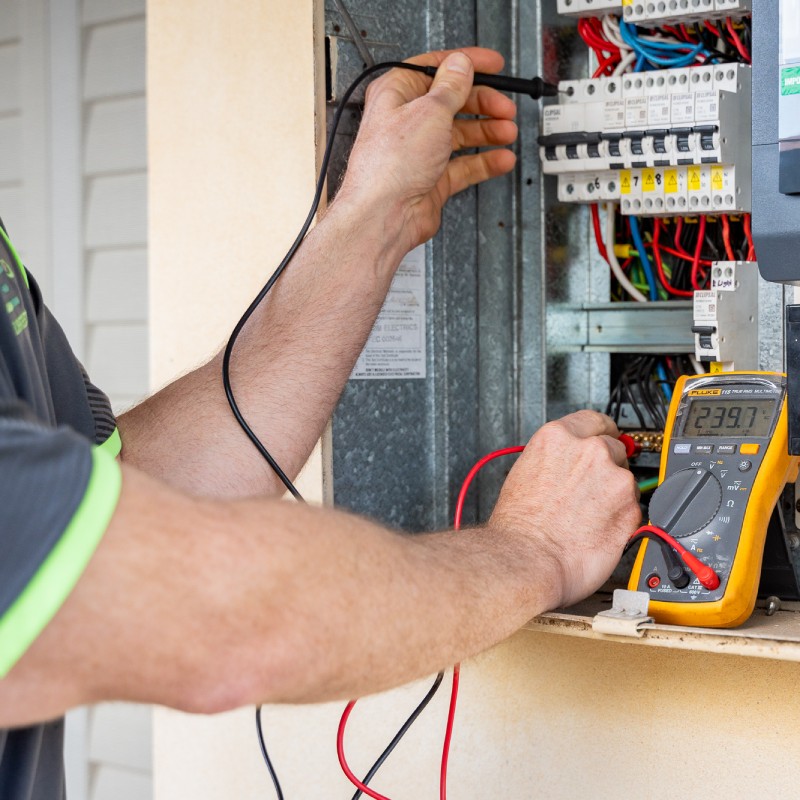
If you see any of these, it’s worth having your mains checked by a licensed electrician.
When is a Consumer Main Upgrade is Needed?

Consumer main replacement and upgrades are common in Perth, especially in older suburbs. You may need an upgrade if:

  • You’re installing a large appliance or three-phase power.
  • You’re building an extension or adding more circuits.
  • You have an old switchboard or outdated cabling.
  • Your home receives an electrical defect notice.
  • Your current consumer main doesn’t meet required cable size for your load.

Upgrading ensures your home can safely handle today’s electrical demand.

Who is Responsible For the Consumer Main?

This part often confuses homeowners.

  • Western Power is responsible for the network connection up to your point of supply.
  • You, as the property owner, are responsible for the consumer mains, switchboard and all internal wiring.
  • Any repairs or upgrades must be carried out by a licensed electrician.

If the cable is too small or unsafe, it’s the homeowner’s responsibility to fix it.

A Simple Way to Think About It

Your consumer main is like the main water pipe feeding your house.

If the pipe is too small or blocked, everything inside suffers.

The same applies to electricity. A healthy consumer main means safer, more reliable power throughout your home.

Need Your Consumer Main Checked or Upgraded?

If you’re unsure about the condition of your consumer main, or you’re planning upgrades around your home, we’re here to help. Our licensed Perth electricians can inspect your mains, check for safety issues, and make sure your home meets current WA standards.

Reasons for Power Outages at Home

A power outage can throw your home into chaos, whether it’s just your property or the whole street. Outages happen for many reasons—some caused by the wider electrical infrastructure, others due to issues inside your home. Here’s what Perth homeowners need to know.

Quick Summary

  • Widespread outages: often caused by weather events, ageing transmission lines, animal interference, heavy demand during heat waves, or a planned power outage for maintenance.
  • Isolated outages: usually linked to a tripped circuit breaker, overloaded circuits, faulty appliances, or wiring faults.
  • Types of outages: blackouts, brownouts, rolling blackouts, planned outages, transient interruptions, and sustained outages.
  • What to do: check with neighbours and your switchboard, report issues to your electricity distributor, unplug appliances, and stay safe until power is restored.

Common Causes of Widespread Outages

Widespread outages affect whole streets or suburbs and are usually caused by issues in the power network outside your home.

1. Severe Weather

Storms, high winds, heavy rain and flooding, hail, and lightning can damage poles, transmission lines, and substations. When this happens, blackouts occur across large areas until repairs are made.

2. Equipment Failure

Ageing transformers, cables, and other grid equipment can break down over time. When a permanent fault develops in this electrical infrastructure, the supply is cut until components are replaced.

3. Animal Contact

Wildlife such as rodents, snakes, or birds may come into contact with power lines or substations. This can cause short circuits that trip protective devices and shut down supply to entire neighbourhoods.

4. Grid Overload

High demand during extreme weather, particularly summer heat waves, puts added stress on the system. When the grid can’t cope, rolling blackouts are introduced to prevent collapse.

5. Accidental Damage

Vehicles hitting poles or excavation striking underground cables can physically damage the network. This instantly breaks the connection in supply lines, cutting power to surrounding areas.

6. Planned Outages

Your electricity distributor sometimes switches off power to carry out upgrades or essential maintenance. These planned power outages are temporary and ensure the network remains safe and reliable.

Causes of Isolated Outages (Your Home Only)

Isolated outages only affect your property and are usually caused by faults or overloads within your home’s electrical system.

1. Tripped Circuit Breaker or Safety Switch

These devices are designed to protect your home from overloads, short circuits, or faulty wiring. When they detect a fault, they automatically cut the power to prevent damage and reduce fire risk.

2. Overloaded Circuits

Plugging too many high-wattage appliances into the same circuit places more demand on it than it can safely handle. This overload forces the breaker or safety switch to trip, shutting off electricity to that part of your home.

3. Faulty Appliance

A broken or defective appliance can have internal wiring issues or damaged components. When plugged in, it can create a short circuit, blowing fuses or tripping breakers and cutting power.

4. Problems with Your Electrical System

Issues such as ageing wiring, loose connections, or a faulty switchboard can cause repeated trips and unusual noises. These problems disrupt the safe flow of electricity and require a licensed electrician to fix.

Key Types of Power Outages to Understand

  • Blackouts – A blackout is a complete loss of electricity to your home or area. Blackouts occur most often after severe weather or when faults in transmission lines or substations disrupt supply.
  • Brownouts – A brownout is a drop in voltage where lights dim, and appliances may not run properly. They usually happen when the grid is under heavy strain from demand during heat waves or peak usage.
  • Rolling Blackouts – A rolling blackout is an intentional, temporary shutdown of power in specific areas. Energy providers use them during peak usage to prevent the entire grid from collapsing.
  • Planned Outages – A planned outage is when your electricity distributor deliberately switches off supply. These are scheduled to carry out safe maintenance, network upgrades, or testing.
  • Transient Outages – A transient outage is a very short disruption, often lasting only seconds before power is restored. They’re commonly caused by lightning strikes, animal contact, or other temporary faults that correct themselves.
  • Sustained Outages – A sustained outage is a power loss lasting longer than one minute and requires repairs to restore. These are usually linked to severe storms, damaged infrastructure, or a permanent fault in the grid.

What to Do If There’s a Power Outage

1. Work Out the Cause

  • Check with Neighbours – Step outside and see if nearby homes are also affected. If the whole street is dark, it’s likely a network issue.
  • Check Your Switchboard – Look for a tripped safety switch or breaker. Reset it once, but if it keeps tripping, call a licensed electrician.

2. Report the Outage

  • Call Your Distributor – In Perth, this is usually Western Power, not your electricity retailer. They’re responsible for restoring power and repairing damaged infrastructure.

3. Stay Safe

  • Unplug Appliances – Disconnect TVs, computers, and other electronics to protect them from surges when the power comes back.
  • Leave a Light On – A simple way to know when power has been restored without constantly checking.

4. Be Prepared

  • Stay Informed – Use a battery-powered radio or check Western Power’s outage map online for updates.
  • Use Safe Lighting – Stick to torches or LED lanterns instead of candles to avoid fire risk.
  • Protect Your Food – Keep fridge and freezer doors shut to preserve the cold for as long as possible.
  • Generator Safety – If you have one, always run it outside and well away from windows and doors to prevent carbon monoxide poisoning.
  • Stay Comfortable – Perth summers can be harsh, so stay cool with light clothing and hydration, or keep warm with blankets in winter.
  • Charge Devices – Top up phones and other essentials early so you can stay connected during the outage.

Need Assistance? Call a Licensed Residential Electrician

If the outage is isolated to your home and linked to wiring, faulty appliances, or a tripping switchboard, it’s time to call a licensed electrician. At Limelight Electrix, we’ll diagnose the issue quickly, restore your power, and carry out a free safety inspection while we’re there.

What is an RCD and How Does It Work?

RCDs, often called safety switches, are now standard in Australian homes. They’re designed to protect people by cutting the power instantly if a fault occurs. Here’s what you need to know about how they work, why they matter, and what to do if your home isn’t protected.

Quick Summary

  • RCDs (Residual Current Devices) protect people by cutting power within milliseconds if electricity leaks to earth.
  • They help prevent electrical shocks and fires, reduce fire risk, and protect appliances.
  • RCDs are different from circuit breakers – RCDs protect people, breakers protect wiring.
  • In Australia, RCDs are mandatory in homes, rentals, and workplaces.
  • RCDs must be installed and tested by a licensed electrician to meet current safety standards.

What is an RCD?

An RCD, or Residual Current Device, is commonly known as a safety switch. It’s a life-saving device fitted to protect people rather than just the wiring in your home.

An RCD works by monitoring the flow of electricity through a circuit. In normal conditions, the current leaving through the live wire is the same as the current returning through the neutral. If there’s a problem – such as electricity taking an unintended path through a person or faulty electrical equipment – the RCD detects the imbalance and shuts off power in milliseconds.

This rapid cut-off can prevent serious electrical shocks and fires. That’s why RCDs are now mandatory in homes across WA and throughout Australia.

Why is an RCD important?

RCDs are one of the most effective safeguards you can have in your home. Unlike fuses and circuit breakers, which only protect wiring and equipment, RCDs are designed to protect people – and they do it fast.

  • Prevent electrocution – If you accidentally touch a live wire or faulty appliance, the Residual Current Device will trip and cut power within 30 milliseconds, stopping a potentially fatal shock.
  • Reduce fire risk – Faulty wiring and damaged appliances can overheat and spark fires. An RCD quickly shuts off the current before it has a chance to cause serious damage.
  • Protect appliances – By disconnecting power during a fault, an RCD can reduce the chance of costly damage to your household electronics and appliances.
  • Meet Australian standards – RCDs are mandatory in homes, rentals, and workplaces across WA and the rest of Australia, ensuring every property has a baseline level of protection.
  • Peace of mind – With properly installed and tested RCDs, you know your family, your home, and your appliances are safer every time you turn on a switch.

How Does an RCD Work?

An RCD works by constantly monitoring the flow of electricity through a circuit. In normal conditions, the current leaving through the live wire should always equal the current returning through the neutral wire.

If something goes wrong – for example, a person touches a live wire or an appliance develops a fault – some of that current leaks to earth. This imbalance is what the RCD is designed to detect.

The moment it senses even a small difference, the RCD reacts in less than 30 milliseconds, cutting the electricity supply to that circuit. That speed is what prevents serious injury, death, or fire.

To put it simply:

  • Normal conditions – Current in and current out are equal.
  • Fault condition – Current leaks (through a person, appliance, or damaged wiring).
  • Residual Current Device response – Detects the leakage and instantly disconnects power.

This is why every RCD in your switchboard has a test button (labelled “T”) – it allows you to check that the device is still tripping as it should.

Where Are They Used?

RCDs are fitted anywhere people need protection from electric shock – which means just about everywhere electricity is used.

  • Homes – In WA and across Australia, safety switches are required on all power and lighting circuits in residential properties. They’re fitted in your switchboard and protect every power point and light connected to that circuit.
  • Workplaces – Building sites, workshops, and other high-risk areas must use RCDs, especially where tools and equipment are portable and more prone to damage.
  • Rental properties – Landlords are required to ensure RCDs are installed before a property can be leased.
  • Renovations and upgrades – Any electrical upgrade or renovation must include compliant RCD protection before the work is signed off.

Wherever electricity is used, RCDs are now the standard line of defence – protecting families, workers, and properties.

RCD vs Circuit Breakers – Are They the Same?

RCDs and circuit breakers are not the same, though both play an important role in electrical safety. They serve different purposes and are designed to work alongside each other.

  • RCDs (safety switches) – Monitor the flow of electricity and trip when there’s an imbalance, such as current leaking to earth. This protects people from electric shock and reduces the risk of fire.
  • Circuit breakers – Trip when too much current flows through a circuit, such as during an overload or short circuit. This protects the wiring and appliances from damage.

On your switchboard, you can tell them apart easily: RCDs have a test button (marked “T”), while circuit breakers do not.

Quick Comparison: RCD vs Circuit Breaker

FeatureRCD (Safety Switch)Circuit Breaker
PurposeProtects people from electric shockProtects wiring and electrical equipment from overload or short circuit
Detection MethodTrips when there’s a current imbalanceTrips when current exceeds safe limits
Response TimeVery fast – within millisecondsFast – but based on current level
Test ButtonYes – labelled “T”No
Protection FocusPersonal safety and fire preventionElectrical system and installation safety

What Happens If You Aren’t Protected?

Homes without RCDs are at a higher risk of electric shock and electrical fire. That’s why Australian regulations require safety switches to be fitted in all new homes, renovations, and most existing dwellings. In WA, at least two RCDs must be installed on residential switchboards to cover both power and lighting circuits.

If your home doesn’t have RCD protection, or you’re unsure whether your switchboard is compliant, it’s best to have it inspected by a licensed electrician. Upgrading an older switchboard to include RCDs not only meets legal requirements but also improves the overall safety of your electrical system.

RCD Installation

RCDs must be installed by a licensed electrician. At Limelight Electrix, we install safety switches that meet current Australian Standards, ensuring your home is compliant and your family is protected. With every installation, we also carry out a free safety inspection of your electrical system.

RCD Testing

Like any device, RCDs need to be tested to make sure they’re still working correctly. Each safety switch has a test button (marked “T”), which should be pressed every three months. This simulates a fault and checks that the switch trips as it should.

If your RCD doesn’t trip when tested, or if you’re unsure, contact us. We also provide professional RCD testing as part of our electrical inspections to confirm your devices are operating properly.

Conclusion

RCDs, or safety switches, are one of the most important parts of your home’s electrical system. They protect people from electric shock, reduce the risk of fire, and are required by law in WA homes.

If you’re unsure whether your switchboard has working RCDs, it’s worth having it checked. At Limelight Electrix, we install, test, and service RCDs to Australian Standards, with upfront pricing and a free safety inspection included in every job.

Why Does My Safety Switch Keep Tripping?

A safety switch (also called a residual current device or RCD) is designed to protect you from electric shock. It monitors the flow of electricity through a circuit and will cut the power instantly if it detects even a small leakage of current to earth.

If yours keeps tripping, it’s doing its job, but it’s also a sign something isn’t right. Here are the most common causes.

How Do I Know if My Safety Switch Has Tripped?

You can usually tell if your safety switch has tripped by checking your switchboard. Signs include:

  • The switch is in the OFF position while others are still on
  • Loss of power to certain areas or appliances in your home
  • Lights or appliances suddenly cutting out with no warning

If you’re unsure which switch is the safety switch, look for one labelled “RCD” or “Safety Switch.” Most also have a TEST button on the front.

Common Reasons Your Safety Switch Trips

1. Faulty Appliances

Damaged or ageing appliances can leak electricity into their casing or earth wiring. Your safety switch detects this and trips.

Common culprits include:

  • Kettles and toasters
  • Fridges and freezers
  • Washing machines and dishwashers
  • Hair dryers, straighteners, irons
  • Heaters and air conditioners

Safety tip: Appliances with heating elements or motors are most often to blame. If an appliance is damaged or wet, don’t plug it back in. Get it tested or replaced.

2. Overloaded Circuits

A safety switch trips when it detects leakage to earth, but in many homes the safety function is combined with a circuit breaker in one device (called an RCBO). In that case, an overload or short circuit will also trip the same switch.

Running multiple high-power appliances on one circuit such as ovens, heaters, dryers, or several air conditioners can push it past its limit.

3. Faulty or Damaged Wiring

Wiring that’s deteriorated, damaged by pests, or incorrectly installed can leak current to earth, causing the safety switch to trip.

Signs of wiring issues include:

  • Flickering lights
  • Buzzing sounds from outlets or switches
  • Warm or discoloured power points
  • A burning smell near fittings or the switchboard

If you notice any of these, stop using that circuit and call us immediately.

4. Nuisance or Burden Currents

Sometimes a safety switch can trip even when no single appliance is faulty. This happens when small leakage currents from several appliances add up. Individually they are safe, but together they exceed the RCD’s threshold and cause a nuisance trip.

Common contributors include:

  • Multiple computers or chargers
  • Fridges and freezers cycling on together
  • Older appliances with slight natural leakage

If nuisance tripping happens regularly, an electrician can test your circuits and may recommend splitting the load across multiple RCDs.

5. Moisture Ingress

Water and electricity are a dangerous mix. If moisture enters your electrical system, it can cause a short circuit or earth fault.

This often happens:

  • After heavy rain or storms
  • From leaks into outdoor power points or the switchboard
  • In bathrooms, laundries, or kitchens with poor ventilation (condensation)

6. A Faulty Safety Switch

It’s rare, but the safety switch itself can fail due to age or poor installation. This should only be confirmed after thorough testing by a licensed electrician. Many “faulty” switches are actually working correctly and reacting to a real problem elsewhere.

What to Do When Your Safety Switch Trips

  1. Press the TEST button – All RCDs have one. If it doesn’t trip, it’s faulty and needs replacing by a licensed electrician.
  2. Reset the switch – Flip it back to the ON position.
  3. Unplug everything on that circuit – Physically unplug, not just switch off at the wall.
  4. Reset again – If it now stays on, plug appliances back in one at a time to find the culprit.
  5. Stop using the faulty appliance – Have it repaired or replaced.
  6. Call a licensed electrician – If it trips with everything unplugged, the issue is in the wiring, switchboard, or the safety switch itself.

Why It’s Important to Act Quickly

Repeated tripping can mean you have a serious electrical fault. Even if the power comes back on, the problem can worsen and pose a risk of fire or electric shock. Australian Standards (AS/NZS 3000) require that RCDs protect all final subcircuits in homes for this reason.

RCD Rules in Australia

RCDs have been compulsory on socket outlet circuits in new homes since 1991, and on lighting circuits since 2000. Today, all final subcircuits in residential properties must be RCD-protected. These rules exist to reduce the risk of shock and electrical fires, making safety switches one of the most important protections in your home.

Stay Safe – Get It Checked

We test, diagnose, and repair safety switch issues across Perth. Whether it’s an appliance fault, wiring problem, or the RCD itself, we’ll find the cause and fix it fast.

Need help now? We offer prompt safety switch repairs and servicing with upfront pricing across Perth. Contact us today to book a qualified residential electrician in Perth.

Frequently Asked Questions

Why does my safety switch keep tripping at night?

If it happens overnight, it’s often a fridge, freezer, or appliance on a timer that leaks current. Have these tested by an electrician.

Can I reset a safety switch myself?

Yes, you can reset it. But if it keeps tripping, unplug everything before trying again. If it still trips, call a licensed electrician.

Is it dangerous if my safety switch keeps tripping?

Yes. Repeated tripping means there’s a fault in an appliance, wiring, or the switch itself. This could pose a shock or fire risk.

How do I know if my safety switch is faulty?

If it trips for no reason, fails to reset, or won’t stay on even with all appliances unplugged, it may be faulty and need replacing.

Should I replace a tripping safety switch?

Not always. It’s often doing its job by detecting a fault elsewhere. An electrician can test whether the switch or something else is causing the trips.

Short Circuit at Home? Here’s What Homeowners Should Do

A short-circuit is one of the most common—and worrying—faults we’re called out to fix. It usually shows up as a tripped safety switch, a blown fuse, or a breaker that refuses to reset. Follow the steps below to keep your family safe and your wiring sound.

What Causes a Short Circuit?

A short circuit happens when the active (live) wire touches the neutral or earth path, letting electricity bypass the intended load and rush back to the switchboard. That sudden surge trips your safety switch—or blows a fuse—before the wiring overheats and sparks a fire. Knowing the common triggers helps you spot trouble early and keep your home safe.

  • Damaged or perished insulation – Older PVC cable can crack and expose live copper, especially in hot Perth roof spaces.
  • Loose terminals in outlets or light fittings – Vibration, DIY work, or simple wear can loosen screws and let conductors touch.
  • Moisture ingress – Storm leaks, outdoor power points, or steamy bathrooms allow water to bridge live parts.
  • Rodents chewing cables – Rodents like rats love gnawing on soft insulation, leaving bare wires behind.
  • DIY accidents – A nail or screw driven into the wall can pierce a concealed cable in an instant.
  • Appliance failure – Internal wiring in kettles, heaters, or pool pumps can break down and short to the metal chassis.

If any of these issues sound familiar—or you’re unsure—switch off the power and give us a call. We’ll find the fault, fix it properly, and make sure the rest of your wiring is up to scratch.

How to Recognise a Short Circuit

Catching a fault early prevents bigger headaches. Keep an eye—and ear—out for these tell-tale signs so you can act before damage spreads.

  • Instant breaker or RCD trip every time you reset it.
  • Visible sparks when you plug in or switch on an appliance.
  • Burning smell or scorch marks around sockets, switches, or the switchboard.
  • Popping or buzzing sounds inside outlets, light fittings, or appliances.
  • Sudden loss of power to one room while the rest of the house stays on.
  • Discoloured or warm faceplates that feel hot to the touch.

Spot any of these? Turn the main switch off and call a licensed Perth electrician straight away.

What Should I Do If There’s a Short Circuit at Home?

1. Put Safety First

A short circuit can send a dangerous surge through your wiring. Your first job is to remove any risk of electric shock or fire before you look for the fault.

  • Head straight to your switchboard. Turn the main switch OFF before you investigate anything else.
  • Do not touch damaged cables, blackened outlets, or smoking appliances. Electricity can track through unseen paths.
  • Keep water away. A spill or a damp cloth near energised equipment can make matters worse.

2. Check Your Safety Switches (RCDs)

RCDs trip in under 30 milliseconds when they sense current leaking to earth. Reading their behaviour tells you whether the problem lies in the wiring or an appliance.

  • If the RCD won’t reset, leave it off. This means the fault is still present.
  • If it resets but trips again immediately, chances are you have a dead-short on one circuit or a faulty appliance.

3. Isolate the Faulty Circuit or Appliance

Eliminating suspects one by one is the safest way to uncover what’s tripping the breaker without risking further damage.

  1. Unplug every appliance on the circuit that tripped. Kettles, toasters, portable heaters, and phone chargers are usual suspects.
  2. Reset the breaker/RCD with all appliances unplugged.
  3. Plug items back in one at a time, resetting the breaker after each. The appliance that trips the protection is likely faulty—set it aside for repair or disposal.
  4. If the breaker still trips with nothing plugged in, the wiring itself—or the switchboard—needs professional attention.

4. Call a Licensed Perth Electrician

When the fault is in the fixed wiring, only a qualified sparky can repair it legally and safely, then test your system to confirm everything else is sound.

  • Aging or loose wiring behind outlets
  • Damaged insulation from rodents or heat
  • Overloaded circuits feeding too many high-draw appliances
  • Outdated switchboards with ceramic fuses instead of modern circuit breakers and RCDs

We see these problems daily across Perth suburbs. Our team at Limelight Electrix can locate the fault, make safe repairs, and issue a safety certificate on the spot. Every visit includes a free safety inspection so you know the rest of your installation is sound.

5. Prevent Future Short Circuits

Good habits and modern protection gear cut the chances of another short and keep your family safe year-round.

  • Upgrade to a modern switchboard. New boards use mini-circuit breakers and RCD/RCBO protection on every circuit.
  • Spread the load. Avoid running heaters, dryers, and air-cons on the same outlet or power board.
  • Replace damaged cords and plugs as soon as you spot frayed insulation or scorch marks.
  • Book an annual electrical safety check. Western Australian regulations recommend regular inspections for homes older than 25 years or those with recent renovations.

Short Circuit FAQs

What is a short circuit?

A short circuit occurs when the active (live) conductor makes direct contact with the neutral or earth path, giving electricity an easier route with virtually no resistance. The sudden surge of current can overheat cables or start a fire, so your safety switch or fuse acts immediately to cut the power.

Why did my fuse wire melt but the breaker next to it didn’t trip?

Many older switchboards mix fuse wire and breakers. Fuse wire reacts faster to high current, but once it fails the breaker sees no load, so it stays on. A mixed board is a sign it’s time for a full upgrade.

Can I just replace the tripped breaker myself?

No. Replacing protective devices is not legal DIY work in WA. Only a licensed electrician can supply and fit breakers or RCDs.

Does home insurance cover short-circuit damage?

Most policies cover resulting damage (fire, appliance loss) but not the cost of repairing faulty wiring. Insurers may also ask for proof that RCDs and smoke alarms were installed and operating.

How Often Should You Test and Replace Smoke Alarms?

Smoke alarms are your first line of defence against a house fire. Test them every month, clean them twice a year, change nine-volt batteries annually, and swap the whole unit at the 10-year mark. Follow that routine and you’ll meet WA rules while keeping your family safe.

Quick Summary: Our Recommended Maintenance Schedule

  1. Monthly – Test every alarm.
  2. Six-monthly – Vacuum the cover and check the date stamp.
  3. Yearly – Replace nine-volt batteries and re-test.
  4. Every 10 years – Fit a brand-new alarm, label it with the install date, and note it in your calendar.
  5. Immediate action – Replace any alarm that beeps randomly, fails a test, or looks damaged.

WA Building Regulations: Why You Need to Replace at the 10-Year Mark

Under the WA Building Regulations 2012, a smoke alarm is considered not installed once it reaches 10 years from its date of manufacture. After a decade, dust, insects, and heat can affect the sensor and electronics, so an older alarm may fail even if it sounds during a quick press-test. Replacing at the 10-year mark keeps you compliant and safe.

Our Smoke Alarm Testing Frequency Guide

Monthly – Press the TEST/HUSH button

Press the TEST/HUSH button on every alarm once a month until the siren sounds for at least five seconds. A healthy alarm beeps loudly and stops when you release the button or the hush cycle finishes. If it clicks, warbles, or stays silent, replace the battery—or the whole unit—straight away.

Every six months – Vacuum the grill

Every six months give each alarm a quick clean. Use the soft brush on a vacuum to lift dust, cobwebs, and insect debris from the grill and surrounding ceiling. This prevents false alarms, helps the sensor “see” smoke quickly, and keeps the sounder clear.

Annually – Swap the nine-volt battery

Once a year replace the nine-volt alkaline battery with a fresh, brand-name cell. Do it on a memorable date—1 July is Fire and Emergency Services’ suggestion—so the task never slips. Skip this step if you have a sealed 10-year lithium alarm, but press TEST to confirm the power circuit.

Ten-year swap – Install a new alarm

When the alarm reaches 10 years—check the date stamp—swap it for a photo-electric model certified to AS 3786-2015. Modern sensors react faster to smouldering fires and reduce nuisance beeps. Hard-wired units must be installed by a licensed electrician, so book the change-over before the old alarm expires.

Regular testing and cleaning stop false alarms and make sure your smoke alarms work when it counts.

Smoke Alarm Testing Considerations for Landlords and Sellers

New tenancy or renewal

When we hand a property to a new tenant, the smoke alarms must tick three boxes:

  1. They are less than 10 years old
  2. Hard-wired to mains power (or sealed-lithium where wiring is impossible)
  3. And have been tested within the 30 days before the tenant moves in.

That timetable isn’t just best practice—it comes straight from the WA Building Regulations, which also insist every alarm is in full working order on the “relevant day” of a lease.

Failing to meet the standard can trigger an on-the-spot $1,000 infringement and fines up to $5,000, plus the very real risk of liability if a fire injures a tenant.

Book an inspection with a licensed residential electrician as soon as the previous tenant hands back the keys, keep the compliance certificate, and note the test date in your property-management calendar so nothing slips through the cracks.

Property sale

Before settlement, every dwelling we sell must have working, compliant smoke alarms already installed—being “under contract” is no excuse for leaving the job to the buyer.

The regulations treat any alarm past its expiry date (or older than 10 years if no date stamp exists) as “not installed,” so the property would technically breach the Building Code and could stall settlement.

In practical terms, that means delays, renegotiations, or the buyer demanding a price adjustment.

Our solution is simple: arrange a pre-listing inspection, replace non-compliant alarms with photo-electric units that meet AS 3786-2015, and file the electrician’s invoice with the sales paperwork so everyone—buyer, agent, and settlement agent—can see the proof.

Record-keeping

Good records are your safety net. We photograph each alarm’s date stamp, keep the electrician’s invoice, and log every test.

Why bother? Those dated photos and service logs prove due diligence if Building and Energy audits the property, if an insurer questions a claim, or if a tenant challenges safety standards in court.

Take clear, timestamped shots of the alarm on the ceiling and its manufacturing label, store digital copies in the cloud, and set annual reminders so the next check is never missed. That small admin task saves a world of hassle—and potential fines—down the track.

Smoke Alarm Testing Guide Landlords and Sellers

WhenWhat the law saysOur advice
Before a new tenancy or renewalAlarms must be under 10 years old, hard-wired or sealed-lithium, and tested within 30 days of the tenant moving in.Log the test date in your property diary and keep the compliance certificate.
Before settlementWorking, compliant alarms must be fitted before ownership changes hands.Book a quick inspection and replace any non-compliant units to avoid delays.

Need Help with Smoke Alarms?

We install, test, clean, and replace smoke alarms across Perth. Every visit includes a free electrical safety inspection and clear, up-front pricing. Call Limelight Electrix on 1300 795 647 or book online today.

DIY Electrical Work — Why It’s Not Worth the Risk

Thinking about DIY electrical work in Perth? Here’s the reality: apart from changing a light bulb or fitting a new plug on an appliance cord, WA law says the job belongs to a licensed electrician. The requirement sits in the Electricity (Licensing) Regulations 1991 and is reinforced by the State Government’s Having electrical work done guide.

Trying anything more can lead to electric shock, house fires, voided insurance, and fines that can reach tens of thousands of dollars. Your safety—and your policy—depend on getting a qualified sparkie in.

In this article, we:

  • list the few tasks you can legally tackle yourself;
  • explain why everything else needs a licensed professional; and
  • show how our team keeps Perth homes safe, compliant, and fully certified.

Read on to see where DIY stops and professional electrical work starts.

Key Summary: DIY vs Licensed Electrical Work in Perth

TaskDIY Allowed?Notes
Change a light bulbYesSafe for homeowners – no fixed wiring touched
Fit a new 3-pin plug to an appliance leadYesPortable equipment only; must follow wiring colours and clamp cord firmly
Reset a tripped circuit-breaker or replace a blown fuseYesIf it trips or blows again, book a licensed electrician
Press the TEST button on each RCD safety switchYesRecommended every three months – call us if the RCD won’t reset
Install, move or replace power points, light switches or light fittingsNoDirectly connected to fixed wiring – licensed electrician required
Run new data, security or appliance cabling connected to mains powerNoAny hard-wired cable counts as electrical work
Rewire any circuit (even a single light or socket)NoAlters fixed wiring – must be done by a licensed electrician
Modify fixed wiring in walls, ceilings or roof spacesNoRisk of shock and fire; only licensed electricians can perform this safely
Upgrade or alter a switchboard or RCDsNoCentral safety equipment – specialised, licensed work only
Work live on energised equipmentNoIllegal for everyone except under strict, licensed procedures

What Electrical Work Can I Legally Do Myself?

The short answer is very little. Under the Electricity (Licensing) Regulations 1991, almost all electrical work—anything that interferes with fixed wiring—must be done by a licensed electrician. The WA Government’s Having Electrical Work Done guide confirms this, citing heavy fines and safety risks for unlicensed work.

What you can legally do yourself

TaskWhy WA permits itQuick safety check
Change a light bulbReplacing a globe doesn’t affect fixed wiring, so it isn’t classed as electrical work (reg. 4A).Switch the light off and let the fitting cool before you start.
Fit a new 3-pin plug to an appliance lead (portable equipment only)Like-for-like plug replacement on a detachable lead is exempt from licensing (reg. 19 (2)(h)).Use an approved AU plug, match wire colours (brown = active, blue = neutral, green/yellow = earth) and clamp the cord firmly.
Reset a tripped circuit-breaker or replace a blown fuseOperating a protective device restores supply; it isn’t defined as electrical work (Western Australian Government).If it trips again, there’s an underlying fault—call us to investigate.
Press the TEST button on each RCD safety switchBuilding & Energy WA recommends homeowners test RCDs every three months (Western Australian Government).The RCD should trip instantly. If it won’t reset, book a licensed electrician.

What You Can’t Do Without a Licence

Below we spell out the main DIY “no-go” jobs for Perth homeowners, the risks involved, and the safe next step. Every item is classed as “electrical work” under the Electricity (Licensing) Regulations 1991 and the WA Government’s Having electrical work done guide, so it must legally be handled by a licensed electrician.

1. Install, move, or replace power points, light switches, or fittings

  • Why it’s banned: These devices connect directly to the fixed wiring behind your walls. Disturbing that wiring counts as electrical work and requires a licence.
  • Dangers of DIY: Loose terminals or reversed polarity can cause shocks, arcing, and house fires.
  • What to do: Book a licensed electrician to add, move, or replace any switch or socket. We’ll test the circuit, protect it with RCDs if needed, and issue an Electrical Safety Certificate.

2. Rewire any circuit (even a single light or socket)

  • Why it’s banned: Altering fixed wiring is explicitly illegal for unlicensed persons.
  • Dangers of DIY: Incorrect cable sizes, poor terminations, or damaged insulation can overheat and ignite roof-space timbers.
  • What to do: If your wiring is old, brittle, or overheating breakers, call us for a full inspection and a compliant rewire.

3. Upgrade or alter your switchboard or RCDs

  • Why it’s banned: The switchboard is the heart of your installation; any change affects overload, short-circuit, and shock protection, so it must be done by a licensed contractor.
  • Dangers of DIY: Incorrect breaker selection, poor earthing, or loose busbar connections can leave circuits unprotected and start fires.
  • What to do: We can fit modern circuit-breakers and RCDs, balance loads, label circuits, and supply the mandatory Electrical Safety Certificate.

4. Run new data, security, or appliance cabling that connects to mains power

  • Why it’s banned: Any cable that terminates in a hard-wired appliance or interfaces with the electrical installation is “electrical work”.
  • Dangers of DIY: Cables in the wrong zone or without separation from power can induce faults, cause shocks, or interfere with other services.
  • What to do: Tell us what you need (CCTV, EV charger, rangehood, etc.). We’ll size the circuit, route the cabling safely, and test it to AS/NZS 3000.

5. Modify fixed wiring in walls, ceilings, or roof spaces

  • Why it’s banned: The WA guide states any modification to fixed wiring is illegal for unlicensed persons (Western Australian Government).
  • Dangers of DIY: Damaged insulation or unsupported cables hidden in insulation can lead to shocks and roof-space fires—especially in Perth’s hot summers.
  • What to do: If you’re renovating, call us before walls are closed. We’ll relocate or extend wiring safely and certify it.

6. Work live on energised equipment

  • Why it’s banned: WA safety regulations prohibit live work except under strict controls, even for licensed electricians.
  • Dangers of DIY: Direct contact with 240 V can be fatal; arcing faults can cause severe burns.
  • What to do: Switch off and lock out the supply, then call us. Our electricians are trained and equipped to test de-energised, prove isolation, and work safely.

If a job goes beyond changing a bulb or a plug on an appliance cord, it’s time to call a licensed sparky. We provide upfront pricing, a free safety check with every visit, and an Electrical Safety Certificate so you stay compliant and protected.

Why DIY Electrical Work Isn’t Worth the Risk

Electrocution and fire

A single loose connection can put 240 V through your body or start a fire in your roof space. Building & Energy’s safety alert 01/2020 records a licensed installer who was fatally shocked while working in a Perth ceiling—proof that even trained tradespeople face deadly currents when wiring is exposed. 

Legal penalties

Carrying out electrical work without a licence is a criminal offence. WA courts handed down a $7,500 fine to an unlicensed technician in July 2024, and businesses have been hit with combined penalties of $45,000 for similar breaches. Fines can exceed these figures when the work causes injury or damage. 

Voided insurance

Most home-and-contents policies refuse claims where damage stems from unlicensed electrical work. If the wiring job isn’t certified by a licensed electrician, any related fire or shock claim can be rejected.

No compliance certificate

Licensed contractors must issue an Electrical Safety Certificate after completing installation work. The certificate proves the job was tested and meets Australian Standards—without it, you have no legal record the work is safe, and you may struggle to sell or rent the property.

How We Keep Your Home Safe

WA law says every job that touches fixed wiring must be handled by a licensed electrician — no exceptions. That’s why we send fully licensed, EC-numbered technicians to every call-out, test the work against Australian Standards, and supply the paperwork DIY can never provide.

  • Up-front pricing – fixed quotes agreed before we start, so there are no surprises.
  • Free safety check with every job – we test RCDs, smoke alarms, and your switchboard while we’re on-site.
  • Electrical Safety Certificate on completion – legal proof your installation complies with WA regulations.
  • Plain-English advice – we explain the fault and the fix, so you know exactly what we’re doing and why.

With Limelight Electrix, Perth homeowners stay safe, compliant, and fully protected—no risky DIY, just certified workmanship you can trust.

Need a Professional to Take a Look?

When the job involves more than swapping a bulb or fitting a new plug, we’re here to help. Our licensed Perth residential electricians will diagnose the issue, complete the work to Australian standards, and issue the Electrical Safety Certificate you need for peace of mind.

Ready to book? Call 1300 880 761 or request a service online and we’ll handle it—safely, legally, and with upfront pricing.

6 Reasons Why Your Circuit Breaker Keeps Tripping

If your circuit breaker keeps tripping, it’s a sign something isn’t quite right with your home’s electrical system. While it might seem like a minor inconvenience, repeated tripping is often a warning that shouldn’t be ignored. Understanding the reasons behind it can help you stay safe and avoid more serious electrical issues down the line.

Here’s a breakdown of the most common causes—and what you can do about them.

1. Circuit Overload

This is the most common cause of a tripped circuit breaker. A circuit overload happens when more power is being drawn than the circuit is designed to carry. It’s often caused by plugging in multiple high-wattage appliances—like kettles, toasters, or space heaters—on a single circuit, especially in kitchens or living rooms.

Why this matters:

Circuit overloads are one of the leading causes of residential electrical fires. While the breaker tripping is a safety feature doing its job, repeated overloads can cause long-term damage to the wiring and connections behind your walls. Ignoring it—or simply resetting the breaker without fixing the root cause—puts your home and family at risk.

What to look out for:

  • Breaker trips when multiple appliances are used together.
  • Lights flicker or dim when large appliances start.
  • Power points or plugs feel unusually warm.

What you can do:

Unplug all devices from the affected circuit and leave the breaker off. Then, contact a licensed electrician. We’ll:

  • Assess the total electrical load.
  • Inspect for signs of heat damage or wear.
  • Advise if a dedicated circuit is needed for high-use areas.

This isn’t a DIY job—only a qualified electrician can safely test and upgrade your circuits.

2. Short Circuit

Short circuits are serious electrical faults. They occur when an active (live) wire touches another live wire or a neutral wire, creating a sudden surge of current. This causes the breaker to trip instantly.

Why this matters

Short circuits are dangerous. The sudden flow of electricity creates intense heat, which can lead to melted wiring, scorched fittings, or even fire. The risk is even higher in older homes or poorly maintained systems.

Signs of a short circuit:

  • Breaker trips immediately after resetting.
  • Burning smell near switches or outlets.
  • Black marks, melted plastic, or popping sounds.

What you can do:

Leave the breaker off and do not attempt to reset it. This type of fault can’t be safely diagnosed without the right tools and training. A licensed electrician will:

  • Inspect the circuit wiring and terminations.
  • Identify the point of the fault.
  • Repair or replace damaged cables or fittings.

3. Ground Fault

Ground faults occur when a live wire touches a grounded surface, such as a metal conduit, water pipe or grounded terminal. They’re especially common in wet areas like bathrooms, kitchens, laundries and outdoors.

Why this matters

Ground faults pose a serious shock risk. They can energise metal surfaces, appliances, or fittings, putting you and your family in direct danger.

What to look for:

  • Breaker trips when using an outdoor power point or an appliance near water.
  • Tingling sensation or mild electric shock when touching appliances.

What you can do:

Immediately stop using the affected outlet and leave the breaker off. Call a licensed electrician, who will:

  • Test for earth leakage using specialised equipment.
  • Locate and isolate the fault.
  • Repair wiring or upgrade outlets to RCD-protected fittings if required.

4. Faulty Appliances

Appliances can also trigger circuit breakers. Internal faults, damaged cords, or faulty components can cause them to draw too much current or create a short circuit.

Why this matters

A faulty appliance can damage your electrical system and pose a fire or shock risk. Even if the wiring is fine, repeated tripping due to appliances can degrade your switchboard over time.

What to look for:

  • Breaker trips only when using a particular appliance.
  • Appliance feels hot, buzzes, or smells like burning plastic.
  • Visible damage to cords or plugs.

What you can do:

Unplug the suspect appliance and leave it disconnected. Do not continue using it. A licensed electrician can test it safely and confirm if the issue lies with the appliance or the circuit. Avoid moving the appliance to another outlet without checking—this can spread the issue to other circuits.

5. Wiring Issues

Wiring faults are a major cause of ongoing breaker tripping. Over time, cables can degrade, connections can loosen, and terminals can overheat—especially in older homes or those with DIY alterations.

Why this matters

Damaged wiring is hidden inside your walls. If it overheats, it can cause insulation to melt or burn. Loose wires can arc or spark, triggering intermittent tripping—or worse, causing a fire.

Common wiring problems include:

  • Breakers trip randomly or multiple times a day.
  • Lights flicker or buzz for no clear reason.
  • You can hear buzzing or cracking from switches or outlets.

What you can do:

Book a call with our licensed electricians to carry out a full inspection. We’ll:

  • Test the integrity of the wiring using approved safety instruments.
  • Locate loose, aged, or damaged cabling.
  • Recommend rewiring or remedial works if needed.

This is not something that should be delayed—faulty wiring is one of the leading causes of house fires in Australia.

6. External Factors

In some cases, your circuit breaker may trip due to issues that originate outside your home’s electrical system. While less common, these events can still cause significant disruption—and in some cases, pose a risk to your property and safety.

What causes it?

Here are some common external factors that can lead to a breaker tripping:

  • Power surges from the grid: Sudden spikes in voltage from the utility provider—often due to faults in the street, load switching at substations, or grid instability—can overwhelm your home’s wiring and cause protective devices to trip.
  • Lightning strikes: A direct or nearby lightning strike can send a surge through power lines, telephone cables, or even earthing systems. This can damage appliances, fry circuits, and trip breakers to prevent fire.
  • Water ingress into external circuits: Outdoor power points, garden lighting, or pool equipment can trip breakers if water gets into the system. Perth storms or high humidity can cause moisture buildup in poorly sealed outdoor enclosures.
  • Supply-side neutral issues: If there’s a fault on the supply neutral (from the utility provider’s side), it can create dangerous voltage imbalances in your home. This can cause lights to flicker, appliances to fail, and breakers to trip irregularly.
  • Voltage fluctuations or brownouts: Sudden drops in voltage (common during peak demand) can cause certain appliances—especially motors, fridges, and air conditioners—to draw excess current as they try to compensate, tripping the breaker.

Why this matters

External faults are often unpredictable and not visible inside your home, making them harder to diagnose without professional equipment. If left unresolved, they can lead to damaged appliances, switchboard faults, or fire.

What you can do:

  • If your breaker trips during a storm, do not reset it immediately. Wait until the weather has cleared. Check for any signs of water damage near external outlets, the meter box, or outdoor fittings.
  • If there’s no clear internal cause and the breaker keeps tripping, contact a licensed electrician. We will:
    • Perform voltage and insulation resistance tests.
    • Inspect for damage caused by surge, water ingress, or neutral faults.
    • Liaise with Western Power (or your electricity distributor) if the issue is on the supply side.
  • If lightning has struck nearby or your home experienced a surge, do not use major appliances until the system is checked. Surge protection and RCDs may need replacement, and hidden damage is possible.

Never ignore or repeatedly reset a tripping breaker following a storm or outage. Power supply faults can be subtle, but the consequences of overlooking them can be severe.

Why You Shouldn’t Ignore a Tripping Breaker

A circuit breaker is designed to protect your home from electrical hazards. If it keeps tripping, it’s doing its job—but it’s also telling you there’s a problem that needs attention.

Electrical issues can lead to fires, electrocution, or major damage to your appliances. The longer you leave it, the greater the risk.

The 10 Most Dangerous Home Electrical Hazards And How to Prevent Them

Electrical hazards are one of the leading causes of house fires and injuries in Australian homes. Many of these risks develop slowly over time—hidden behind walls or inside switchboards—until something goes seriously wrong. That’s why spotting the signs early for an electrical safety inspection and understanding the risks can make all the difference.

Here are the most common and dangerous electrical hazards found in Perth homes—and what you can do to stay safe.

1. Outdated or Faulty Wiring

Older homes across Perth—especially those built before the 1990s—often have wiring that’s no longer up to modern standards. This wiring may not cope with today’s power demands from fridges, air conditioners, dishwashers, and entertainment systems.

Why this matters:

Outdated wiring can overheat or short circuit under load. Left untreated, this becomes a major fire risk. Even if your switchboard hasn’t tripped, your wiring might still be struggling behind the scenes.

What to look for:

  • Fuses blow or breakers trip without warning
  • Light switches or outlets feel warm
  • Buzzing sounds or a burning smell

What you can do:

Book an inspection with a licensed electrician. We’ll test the integrity of your wiring and advise if a partial or full rewire is needed. Upgrading old cabling doesn’t just improve safety—it brings peace of mind.

2. Electrical Surges

Electrical surges happen in a flash, often triggered by lightning, faulty appliances, or issues on the power grid. These voltage spikes can silently damage electronics and cause premature failure of expensive appliances.

Why this matters:

Power surges don’t always show immediate signs. But over time, they wear out internal components in devices like TVs, computers, and air conditioners—costing you more in the long run.

What to look for:

  • Appliances randomly fail or need replacing too often
  • Electronics get hot or buzz when in use
  • Breakers trip after a storm or blackout

What you can do:

Install surge-protected power boards and consider a whole-home surge protector at the switchboard. During storms, unplug sensitive electronics to prevent damage.

3. Overloaded Power Points

Plugging too many appliances into one power point—or using cheap power boards—can quickly overload a circuit. This is especially common in older homes with fewer outlets per room.

Why this matters:

Overloads create heat. If the circuit doesn’t trip quickly enough, that heat can melt cables or start a fire behind the wall.

What to look for:

  • Power boards daisy-chained together
  • Discoloured or hot power points
  • Breakers tripping during appliance use

What you can do:

Spread appliances across different outlets, avoid stacking power boards, and upgrade rooms with extra circuits if needed. We can also install additional GPOs to reduce reliance on extensions.

4. Power Points Near Water

In kitchens, bathrooms and outdoor areas, the risk of electric shock increases dramatically when outlets are close to water. Wet surfaces conduct electricity, and one wrong move can cause serious injury.

Why this matters:

It only takes a split second for water to meet live power. Outlets near taps, baths or garden hoses should be fitted with the right safety features to prevent electrocution.

What to look for:

  • Power points too close to sinks or taps
  • No weatherproof covers outdoors
  • Using appliances with wet hands

What you can do:

Have outlets relocated or replaced with waterproof fittings where needed. For outdoor areas, use RCD-protected circuits with IP-rated covers to keep moisture out.

5. Damaged or Exposed Wires

Frayed cords, cracked insulation, or chewed wiring from rodents are serious hazards. These can energise metal surfaces or cause sparking without you realising it.

Why this matters:

Damaged wires expose you to both shock and fire risks. Pests like rats can chew through insulation, leaving live wires behind walls or in roof cavities.

What to look for:

  • Appliances with visible wire damage
  • Chewed cables behind furniture or in roof spaces
  • Flickering lights or burning smells

What you can do:

Replace damaged cords and have your wiring checked if there are signs of rodent activity. Pest control may be needed to prevent future issues.

6. Faulty Circuit Breakers or Switchboards

Your switchboard is the heart of your home’s electrical system. If breakers are old, loose, or not functioning properly, they may not trip when needed—or trip too easily.

Why this matters:

A faulty switchboard can allow faults to continue undetected, increasing fire risk. Tripping breakers may also be masking deeper problems in your wiring.

What to look for:

  • Frequent tripping or flickering lights
  • Breakers that feel loose or don’t reset
  • No RCDs fitted to circuits

What you can do:

Have your switchboard assessed and upgraded if needed. Modern boards with RCD protection offer much greater safety and are required under current regulations.

7. Mild Electric Shocks from Appliances or Taps

If you feel a tingle when touching an appliance or tap, it’s a warning sign. Even a mild shock can signal a serious fault in your earthing system.

Why this matters:

Ground faults can energise metal fittings in your home. If you touch a live surface and there’s no RCD protection, the outcome can be fatal.

What to look for:

  • Tingling or shocks when touching taps or appliances
  • Breakers tripping when using water-connected devices
  • No visible earth connection on outlets

What you can do:

Stop using the affected area and call an electrician immediately. We’ll test your earthing, inspect the fault, and ensure your system complies with safety standards.

8. DIY Electrical Work

We’ve seen it all—taped-up wires, dodgy switch replacements, and power points installed without proper testing. DIY electrical work is not just illegal in WA—it’s outright dangerous.

Why this matters:
Improper connections, overloaded circuits and poor terminations can all lead to electrocution or fire. Just because something “works” doesn’t mean it’s safe.

What to look for:

  • Exposed wiring or junction boxes
  • Missing switchboard labels
  • Work done by unlicensed individuals

What you can do:
Only ever use a licensed electrician. We can inspect previous DIY jobs, correct any faults, and certify your system for safety.

9. Cheap or Unsafe Power Boards

Not all power boards are made equal. Cheaper models often lack thermal cut-off switches or overload protection, making them a common cause of fires.

Why this matters:
If a power board overheats, it can catch fire within minutes. Cheap models may also fail to isolate individual sockets when one fails.

What to look for:

  • Old or cracked plastic casings
  • Power boards warm to the touch
  • No reset or surge protection switches

What you can do:
Replace old boards with high-quality units that include overload and surge protection. Never plug multiple boards together or hide them under furniture.

10. Lighting Hazards

Flickering lights might seem harmless—but they’re often an early warning sign of loose wiring, overloads, or faulty fixtures.

Why this matters:

Loose connections can arc (spark) and generate enough heat to start a fire. Poorly installed downlights, especially halogens, can also overheat and ignite insulation.

What to look for:

  • Lights flicker or hum
  • Ceiling fittings feel hot
  • Burn marks near downlights

What you can do:

Have your lighting inspected, especially if using old halogen globes. We can upgrade fittings, secure loose wiring, and ensure all lights are installed safely.

Switchboard Upgrades: When Do You Need One?

Your switchboard is the backbone of your home’s electrical system. It controls how electricity flows and keeps everything running safely. But older switchboards can struggle to handle modern appliances, putting your home at risk. Here’s what you need to know about switchboard upgrades and when it’s time for one.

What Is a Switchboard Upgrade?

A switchboard upgrade is the process of replacing outdated switchboards with modern systems that meet current safety codes and standards. It’s designed to handle today’s electrical demands safely and efficiently.

Older switchboards often rely on ceramic fuses and lack essential safety features like Residual Current Devices (RCDs). These components protect against electric shocks and fires by cutting off power during faults.

Upgrades ensure your switchboard can support modern appliances, manage higher power loads, and provide better protection for your home. They’re particularly important during renovations, when adding new circuits, or if your system shows signs of wear or damage.

Why Do You Need to Upgrade Your Switchboard?

Upgrading your switchboard isn’t just about compliance—it’s about safety and reliability. Here’s why it matters:

  • Improved Safety – New switchboards reduce fire risks and protect against electric shocks with RCD safety switches.
  • Supports Modern Electrical Loads – Older boards weren’t designed for today’s appliances, like air conditioners and ovens.
  • Stay Compliant – Australian standards require RCDs, so upgrading ensures your home meets legal safety requirements.
  • Future-Proofing – Whether you’re adding solar panels, EV chargers, or extra circuits, modern switchboards handle expansion easily.

When Should You Upgrade Your Switchboard?

Your switchboard is the hub of your home’s electrical system, distributing power safely to lights, appliances, and devices. But over time, older switchboards can fall behind modern safety standards, leaving your home at risk. Here are the most common signs that it’s time for an upgrade:

Frequent Power Trips or Blown Fuses

Does your power cut out often? Flickering lights or tripped breakers could mean your switchboard can’t handle your home’s electrical load, especially with modern appliances.

Outdated Ceramic Fuses

Older switchboards often use ceramic fuses, which are prone to overheating and offer limited protection against overloads. Modern circuit breakers and RCDs provide safer and more reliable protection.

No Safety Switches (RCDs)

RCDs are designed to shut off power instantly when faults are detected, protecting you from electric shocks. If your board lacks RCDs, it’s outdated and unsafe.

Burning Smells, Scorch Marks, or Buzzing Noises

These warning signs could indicate loose wiring, overheating, or internal damage—all of which can lead to fires if left unchecked.

Overcrowded or Messy Wiring

Older switchboards often have tangled, disorganised wiring that can cause overheating and short circuits. Newer systems offer better organisation and improved safety.

Renovations or New Appliances

Adding extra appliances like ovens, air conditioners, or pool pumps can strain older switchboards, causing overloads. Renovations may also require new circuits that older boards can’t handle.

Older Homes (20+ Years)

Many older homes have switchboards that don’t meet modern safety standards or electrical demands, making an upgrade necessary.

Asbestos Components

Some older switchboards contain asbestos panels, which are hazardous and should be professionally removed as part of an upgrade.

Electric Shocks from Appliances

Getting mild shocks from appliances can indicate grounding problems or outdated safety measures, which modern switchboards address.

Non-Compliance with Standards

Electrical regulations are updated regularly. An outdated switchboard may fail to meet current safety requirements, impacting insurance claims if something goes wrong.

If you notice any of these signs, it’s time to act before the problem escalates.

What Does a Switchboard Upgrade Cover?

When we upgrade a switchboard, we’re not just swapping out old parts—we’re making sure your home is safer, more reliable, and ready for today’s electrical needs. Here’s what we focus on during an upgrade:

Replacing Outdated Components

One of the first things we check is whether your switchboard still has ceramic fuses. These are outdated and prone to overheating. We replace them with modern circuit breakers and RCDs that offer better protection against electric shocks, fires, and overloads.

Older boards often have ceramic fuses and lack safety switches. Upgrading replaces these with modern circuit breakers and RCDs, providing better protection against shocks, fires, and overloads.

Installing Meter Box Switches

We also upgrade meter box switches to improve how your power is managed. These switches make it easier to isolate circuits during maintenance or emergencies and ensure your system meets current safety standards.

New or updated meter box switches are installed to improve power management and meet current safety regulations. These switches make it easier to isolate circuits and maintain your electrical system.

Handling Asbestos Concerns

Older switchboards sometimes contain asbestos panels, which pose a health risk if disturbed. If we come across asbestos, we safely remove and dispose of it following strict regulations to keep your home safe.

Some older switchboards contain asbestos panels, which can be hazardous if disturbed. As part of the upgrade, any asbestos is safely removed and disposed of according to health and safety standards.

Addressing Emergency Repairs

Weather damage and overloading can cause faults that need urgent attention. As part of the upgrade, we repair any existing damage to restore safety and reliability. Weather damage and overloading can cause faults in older boards. Upgrades often include addressing these urgent repairs to restore safety and reliability.

Performing Safety Checks

Every upgrade includes a full safety inspection. We check for loose wiring, overloaded circuits, and compliance with modern standards to give you peace of mind that your switchboard is up to the job. Every upgrade involves a full safety check to identify issues like faulty wiring, loose connections, or overloaded circuits. This ensures the new system is compliant and ready for long-term use.

Switchboard upgrades are designed not only to improve safety but also to future-proof your home for new appliances and technologies.

What Are the Costs Involved?

Switchboard upgrade costs depend on:

  • The size of your home and number of circuits.
  • The condition of existing wiring and whether upgrades are required.
  • Additional safety devices, like surge protection.

We provide upfront quotes so you’ll know exactly what’s involved—no hidden fees.

Ready to Upgrade? Here’s What to Do Next

Upgrading your switchboard is one of the most effective ways to keep your home safe and prepared for modern electrical needs. At Limelight Electrix, we focus on doing the job right—ensuring your switchboard is safe, compliant, and ready for the future.

Whether you’re dealing with an outdated system or planning renovations, our team of licensed electricians will guide you through the process with upfront advice and no surprises.

Get in touch today to book an inspection or discuss your options.