What is the Difference Between Mains-powered vs Battery-powered Smoke Alarms?

Smoke alarms are easy to ignore until they start chirping, fail during a test, or come up during a property sale or rental inspection. But if you live in Perth or anywhere else in WA, the difference between a mains-powered smoke alarm and a battery-powered smoke alarm matters.
In simple terms, a mains-powered smoke alarm is connected to your home’s 240V electrical supply. A battery-powered smoke alarm runs from a battery only. Both are designed to detect smoke, but they differ in reliability, installation, maintenance and legal compliance.
For many WA homes, this is not just a question of preference. It can also be a compliance issue.

Key Takeaways

  • Mains-powered smoke alarms are connected to your home’s 240V power supply.
  • Battery-powered smoke alarms rely on battery power only.
  • Mains-powered alarms usually include a backup battery for power outages.
  • In WA, mains-powered smoke alarms are required in many common situations, including homes being sold, rented or hired.
  • For WA homes being sold, rented or hired, battery-powered smoke alarms are only allowed in limited situations where mains wiring is not practical.
  • Smoke alarms must be replaced every 10 years.
  • Mains-powered smoke alarms must be installed, connected and disconnected by a licensed electrician.

What is a Mains-powered Smoke Alarm and How Does It Work?

A mains-powered smoke alarm is wired into your home’s electrical system. It gets its main power from the building’s 240V supply and usually has a backup battery inside the unit, so the alarm can still work during a power outage.
This is the type of smoke alarm commonly required in WA homes. DFES recommends mains-powered smoke alarms wherever possible because they provide more reliable ongoing protection than alarms that rely on battery power alone.
Mains-powered alarms are commonly used in new homes, renovated homes, rental properties, homes being sold, short-stay accommodation, and properties where long-term compliance matters.
The main benefit is simple. You are not relying on someone remembering to change a battery to keep the alarm working.

Which Type of Smoke Alarm is More Reliable?

Mains-powered smoke alarms are generally more reliable because they are not relying only on a battery.
A battery-powered alarm can only work if the battery has charge, is installed correctly and has not been removed. Anyone who has dealt with a chirping smoke alarm knows what often happens. The battery comes out, then the alarm is forgotten.
A mains-powered smoke alarm still needs maintenance, but its main power source is the home’s electrical supply. If it has a backup battery, it has another layer of protection during a power outage.
You still need to test your alarms, check the indicator light, clean dust and cobwebs, replace the backup battery if required, and replace the whole alarm once it reaches 10 years old.

Blown Electrical Fuse: How to Check Blown Fuses & Fix It

A blown electrical fuse means one part of your home has drawn more power than the circuit can safely handle.

A fuse or circuit breaker cuts power to protect the cables and fittings from overload or short circuit. RCD safety switches are different. They are designed to reduce the risk of electric shock.

If you only have power out in one room, one group of powerpoints or one appliance circuit, it may be a blown fuse or tripped breaker.

But repeated faults, burning smells, hot switchboards, or sparks are not normal. Those signs need a licensed electrician.

The safest approach is simple. Check what you can see, turn off the load, avoid touching damaged parts, and call a professional if the fault does not reset cleanly.

Key Takeaways

  • A blown fuse is a safety device doing its job.
  • The most common cause is an overloaded circuit.
  • Modern homes usually have circuit breakers instead of old fuse wire.
  • Older homes may still have ceramic fuses or ageing switchboards.
  • Never use a higher amperage rating to stop a fuse blowing.
  • Call an emergency electrician for heat, smoke, sparks, burning smells, or repeated tripping.

Immediate Emergency: Signs You Should Stop Straight Away

Do not touch the fuse box or switchboard if you notice smoke, sparks, crackling, black marks, heat, buzzing, water near electrical fittings, visible damaged wires, or a shock from an appliance, tap, or switch.

If there is fire, smoke, or immediate danger, leave the area and call 000.

If the board looks safe but a fuse blows again straight after you reset it, stop. Repeated faults can point to a short circuit, faulty appliance, damaged wiring, or another issue that needs testing.

How Do I Know if a Fuse Is Blown?

If you are asking, “how do i know if a fuse is blown”, start with what has lost power.

Common signs include:

  • one room or zone loses power
  • several powerpoints stop working at once
  • lights go out in one part of the home
  • an appliance suddenly stops while others still work
  • a breaker switch sits in the OFF or middle position
  • an old fuse cartridge looks cloudy, blackened, or has a broken internal wire

In homes with modern switchboards, you may not have a replaceable fuse at all. You may have circuit breakers, RCD safety switches, or RCBOs.

Circuit breakers trip for overloads and short circuits. RCDs trip when they detect current leaking where it should not. RCBOs combine both types of protection.

A blown fuse and a tripped breaker feel similar because both cut power. A fuse usually has a part that melts and must be replaced. A breaker trips and can usually be reset once the cause is removed.

What Happens When a Fuse Blows?

A fuse is designed to be the weak point in an electrical circuit.

When too much current flows through the circuit, the fuse element heats and breaks the connection. This stops electricity from flowing through that section of the electrical system.

Without this protection, electrical circuits could overheat. Overheated wiring can damage insulation, create fire hazards, and increase the risk of electrical fires.

A fuse should not be treated as the problem by itself. It is often a warning sign that something else caused the fault.

Common Causes of Blown Fuses

The common causes of blown fuses include overloads, appliance faults, damaged cabling, moisture, and old switchboard equipment.

1. Too many appliances on one circuit

An overloaded circuit happens when too many appliances draw power from the same circuit at the same time.

Common examples include a heater and kettle on the same circuit, a hair dryer and washing machine running together, or too many devices on one power board.

This is common in older homes because they were not always built for today’s appliance use.

2. Faulty appliances

A fridge, kettle, toaster, washing machine, or heater can trigger a fuse if it has an internal fault.

If the same appliance causes the breaker trips every time it is used, unplug it and stop using it until it has been checked.

3. Short circuit

A short circuit can happen when electricity finds an unintended path. This may be caused by loose wiring, damaged insulation, moisture, pests, or failed equipment.

This is not a DIY repair. A licensed electrician needs to test the circuit and find the fault safely.

4. Damaged wires or fittings

Damaged wires behind a wall, in a roof space, or inside an old fitting can cause repeated electrical issues.

You may notice flickering lights, buzzing, heat, discolouration, or a burning smell. Do not keep resetting the circuit if these signs appear.

5. Wrong fuse size

Never replace a fuse with a higher amperage rating. For example, do not use a larger fuse because the current one keeps failing.

The fuse rating must match the circuit design. Upsizing a fuse can let the wiring carry more current than it was designed for, which can create serious fire hazards.

First Thing to Do Before Fixing Any Blown Fuses

Start by removing the load from the circuit.

Turn off and unplug the appliances that were running when the power went out. This may include heaters, kettles, hair dryers, microwaves, washing machines, or outdoor tools.

Then check whether your home has lost all power or only part of the power.

If the whole house is out, check whether neighbours have power. It may be a supply outage. If only one part of the home is out, the problem is more likely to be inside your switchboard or on one circuit.

Use a torch. Keep your hands dry. Stand on a dry surface. Do not remove switchboard covers. Do not poke tools into the board.

How to Fix a Blown Fuse and Restore Power

Before touching anything at the switchboard, remember that WA law requires electrical work to be completed by someone with the relevant electrical licence.

Homeowners can safely check for a tripped switch, unplug appliances, and reset a breaker if the board is in good condition.

Repairs, rewiring, fuse replacement, and switchboard work should be handled by a licensed electrician.

If you have a modern circuit breaker

  1. Turn off and unplug the appliance that may have caused the fault.
  2. Open the switchboard cover.
  3. Look for the switch sitting in the OFF or middle position.
  4. Push it fully OFF first.
  5. Switch it back ON.

If power comes back and stays on, the circuit may have simply been overloaded.

If the breaker trips again immediately, leave it off and call an electrician.

If you have an old replaceable fuse

If you have old ceramic, cartridge, or rewireable fuses, do not rewire fuse wire yourself or force parts back into place.

Turn off and unplug the appliance that may have caused the fault, keep the affected circuit off, and call a licensed electrician.

WA Government guidance says semi-enclosed rewireable fuses cannot be replaced with the same type during fuse repair work. In those cases, the electrical worker must replace the fuse with a circuit breaker.

This is one reason older homes with outdated switchboards should be checked by a licensed electrician.

If your switchboard has a fuse puller or removable fuse carrier, avoid using metal tools, do not touch damaged parts, and never replace the fuse with a higher amperage rating. If you are unsure what type of fuse you have, leave it alone and call a professional.

When to Call an Electrician for a Blown Fuse

Call a licensed Perth electrician if the same fuse keeps blowing, a circuit will not reset, there is heat or burning smell, you can see scorch marks, you suspect damaged wires, the fault happens when it rains, or your switchboard has no safety switches.

Repeated faults need proper testing so the real cause can be found.

Preventing Future Fuse Problems

Preventing future fuse problems starts with reducing strain on each circuit.

Spread high-load appliances across different powerpoints where possible. Avoid running multiple heaters, kettles, dryers, or cooking appliances from one area. Do not overload power boards. Check appliance leads for damage before use.

If your home still relies on old fuses, it may be time to have the switchboard checked. Modern switchboards with circuit protection and safety switches can improve safety, reduce nuisance faults, and help your home handle normal daily power use.

A safety inspection is also worthwhile if you have recently moved in, renovated, added new appliances, or noticed repeated electrical issues.

Need Help with a Blown Fuse in Perth?

A blown fuse can be a small inconvenience, or it can be the warning sign before a bigger electrical fault.

At Limelight Electrix, we help Perth homeowners with urgent electrical emergencies, power faults, fuse problems, tripping circuits, switchboard faults, and electrical safety concerns.

Our licensed team offers 24/7 emergency support, upfront pricing, and a free safety inspection with every service.

If you have lost power, smell burning or cannot restore power safely, contact our Perth emergency electricians today. We will find the fault, explain what is happening, and get your home safe again.

Can I Install Powerpoints Myself in Western Australia?

Thinking about installing a power point yourself?

In Perth, this is not a legal DIY job. If the work involves fixed wiring, adding a new outlet, or relocating an existing one, it must be done by a licensed electrician in Western Australia. The WA Government also states that the electrical contractor must provide an electrical safety certificate within 28 days for installation work.

This matters because a powerpoint installation is not just about fitting a new faceplate. It is about making sure the wiring, protection, and load on the circuit are all safe.

Key takeaways

  • You cannot legally install or move a powerpoint yourself in Perth if it involves fixed wiring.
  • New or relocated powerpoints are treated as electrical installation work, not simple DIY.
  • A licensed electrician should check circuit capacity, RCD protection, cable route, outlet location, and wall conditions before installing it.
  • You can still do the planning yourself, such as choosing the spot, listing the appliances, and comparing quotes.
  • After the work is done, you should receive an electrical safety certificate within 28 days.

Can you install a powerpoint yourself in Perth?

No. In Western Australia, unlicensed people cannot carry out electrical work on fixed wiring. That includes adding a new powerpoint, moving one, or replacing a damaged outlet.

Even if it looks simple on the surface, the work behind the wall is what makes it electrical installation work under WA regulations.

Why this is not a simple DIY job

A powerpoint installation can look straightforward because all you see is the outlet on the wall.

What you do not see is the cable route, the condition of the wiring, what else is on that circuit, whether the protection is suitable, and whether the wall space is safe to cut into.

A simple way to think about it:

Installing a shelf is DIY.

Installing a powerpoint is changing part of your home’s electrical system.

That is why the law treats it differently.

What can go wrong with a DIY powerpoint install?

If a powerpoint is installed incorrectly, the risks are not just that it does not work properly. The real risks are electric shock, overheating, repeated tripping, damaged wiring, and fire.

Problems can include:

  • loose terminals that create heat
  • incorrect wiring
  • no proper earthing
  • damaged cable insulation
  • cables placed where they can be hit later
  • moisture issues in the wrong location
  • a circuit that cannot safely handle the extra load

What a licensed electrician should check before installing a powerpoint

A proper powerpoint installation is more than cutting a hole and connecting wires.

Before the job goes ahead, a licensed electrician should look at the bigger picture.

1. Circuit capacity

They need to check whether the existing circuit can safely handle the added load.

This matters if the new outlet will be used for higher-draw appliances such as:

  • kettles
  • microwaves
  • portable heaters
  • dishwashers
  • washing machines
  • fridges in a garage
  • power tools

For example, a new powerpoint for a lamp and phone charger in a home office is one thing. A new powerpoint for a heater and treadmill in the same area is another.

2. RCD protection

The electrician should confirm the circuit has suitable RCD protection.

This is one of the key checks that helps reduce shock risk and keeps the installation aligned with current safety requirements.

3. Cable routing

The cable needs a safe path through the wall, ceiling, or underfloor area.

That includes checking:

  • where existing cables already run
  • whether drilling or cutting could hit concealed wiring
  • whether the route is practical without damaging finishes
  • whether the wall cavity actually has room

4. Outlet location

The spot you choose matters.

The electrician will look at whether the location is:

  • practical for the appliance
  • clear of likely moisture
  • not too close to heat sources
  • positioned so cords are not stretched across walkways
  • suitable for the room layout

If the powerpoint is outdoors, near a laundry, close to a sink, or in another damp area, that needs to be raised upfront because the outlet and installation method may need extra protection.

5. Wall and access constraints

Not every wall makes installation easy.

Brick walls, double brick homes, tiled splashbacks, external walls, insulated cavities, and tight roof spaces can all affect how the job is done, how long it takes, and what it costs.

What you can do yourself before booking the job

You cannot do the wiring.

But you can do the planning, which helps make the job smoother and the quote more accurate.

Choose the general location

Think about where the outlet will actually be useful.

Ask yourself:

  • Will furniture block it?
  • Will cords cross a walkway?
  • Is it close enough to the appliance?
  • Will you want more than one outlet there?

List the appliances

Tell the electrician what will be plugged in.

That matters because a powerpoint for a phone charger is different from a powerpoint for a microwave, heater, or outdoor fridge.

Check access

Note anything that could affect the work, such as:

  • double brick walls
  • tiled areas
  • cabinetry
  • roof space access issues
  • external walls
  • recent renovations

Get quotes from licensed Perth electricians

Ask for licence details and make sure the electrician is properly licensed in WA.

What you should never do yourself

Do not:

  • remove the old outlet and see what is behind it
  • connect or disconnect cables
  • cut into a wall assuming there are no wires there
  • alter fixed electrical wiring
  • replace a damaged powerpoint yourself
  • rely on online tutorials for fixed wiring work

Why the electrical safety certificate matters

For installation work in WA, the electrical contractor must give you an electrical safety certificate within 28 days.

This certificate matters because it shows:

  • the work was done legally
  • the contractor stands behind the installation
  • the job was treated as compliant electrical work, not a shortcut

If you do not receive it, follow it up.

When to mention more detail before getting a quote

Always be upfront if the powerpoint is for:

  • an outdoor area
  • an alfresco
  • a garage fridge or freezer
  • a dishwasher
  • a microwave nook
  • a home office with multiple devices
  • a workshop bench
  • a higher-load appliance

That helps the electrician quote more accurately and decide whether extra materials, a different outlet type, or further circuit checks are needed.

Signs your home may need more than just one extra powerpoint

Sometimes the real issue is not one missing outlet. It is that the room does not have enough access to power in the first place.

Common signs include:

  • power boards in every corner
  • double adaptors used every day
  • cords running across the floor
  • one outlet doing too much work
  • repeated nuisance tripping
  • older outlets showing wear

If you rely on adaptors and power boards all the time, that usually points to a need for more permanent outlets.

A simple example

Let’s say you want a new powerpoint beside your TV unit.

At first glance, it seems easy. Cut the wall, run a cable, fit the outlet.

But a licensed electrician will still need to check:

  • where the existing wiring runs
  • whether the wall cavity is clear
  • what else is on that circuit
  • whether there is suitable protection
  • whether the cable route is safe and compliant

Now imagine the same request on a tiled kitchen splashback, or outside under an alfresco.

That is why pricing and setup can vary, and why it should not be treated as a DIY weekend job.

Hiring tips for Perth homeowners

Before you book, ask:

  1. Are you licensed in WA?
  2. Will the work be carried out by a licensed electrician?
  3. Have you allowed for the actual appliance load?
  4. Are there any access or wall issues that could affect the quote?
  5. Will I receive an electrical safety certificate after the installation?

What Is Earth Bonding?

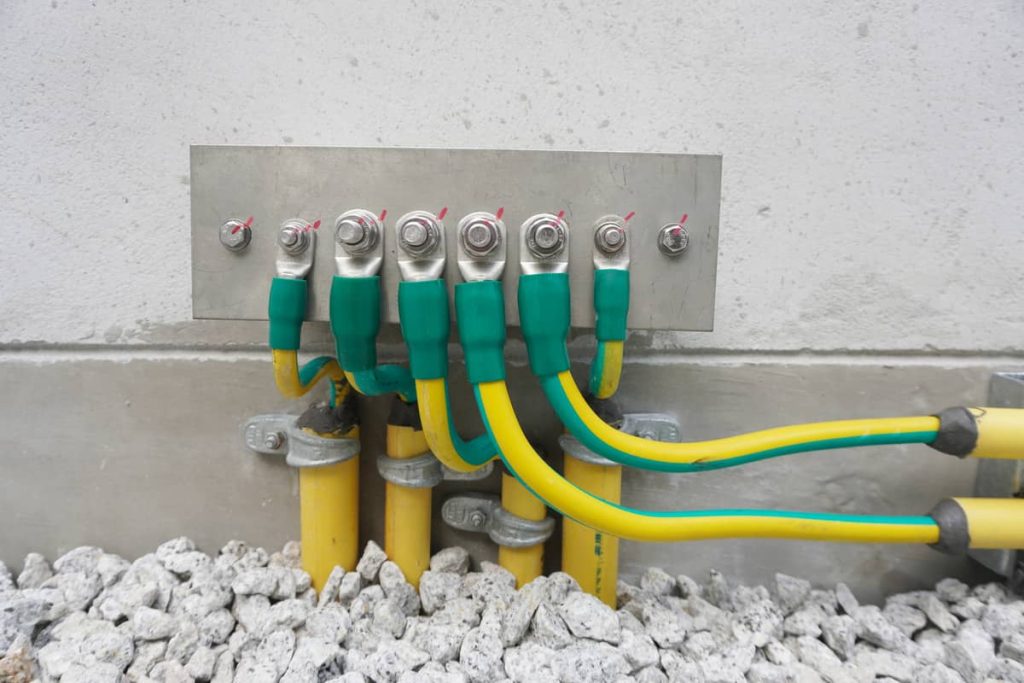
Earth bonding is a safety measure that connects metal parts in and around your home so they stay at the same electrical potential. That helps reduce the risk of electric shock if an electrical fault makes one metal part live.

In simple terms, bonding helps stop two nearby metal surfaces from ending up at different voltages during a fault. That matters because a dangerous shock can happen when someone touches both at the same time.

For most Perth homeowners, earth bonding usually comes up during electrical inspections, switchboard work, renovations, or pool and spa projects.

Key Takeaways

  • Earth bonding helps reduce the risk of electric shock
  • It connects metal parts so they stay at the same electrical potential
  • It is different from earthing, but the two work together
  • It matters most where metal parts and electricity may create a fault risk
  • In WA, pool and spa bonding must be done by a licensed electrical contractor

What Is Earth Bonding in Simple Terms?

Earth bonding is the connection of metal parts to the electrical earthing system so they stay at the same electrical potential during a fault.

In a home, that can include metal services such as water or gas pipes. The purpose is to reduce the chance of a dangerous voltage difference between metal parts that someone could touch.

Example of Earth Bonding in a Home

A simple example is a home with metal water pipes.

If a fault develops in the electrical installation and one metal part becomes live, there can be a shock risk if another nearby metal part is sitting at a different voltage. Bonding helps reduce that voltage difference by connecting those conductive parts together.

That does not mean the fault is harmless. It means bonding is there to make the situation safer until the protective device operates.

For a homeowner, the main thing to understand is this: earth bonding is not a separate appliance or switch you use. It is part of the fixed electrical installation and must be checked or installed by a licensed electrician.

How Does Earth Bonding Protect You?

Bonding helps reduce the risk of a dangerous shock by stopping metal parts near each other from sitting at different voltages during a fault.

A simple example is metal pipework.

If there is an electrical fault somewhere in the installation, you do not want one metal pipe or fitting sitting at a different voltage to another metal surface nearby. Bonding helps reduce that risk by keeping those conductive parts at the same electrical potential.

For homeowners, that is the key point. It helps lower the chance of electric shock if something goes wrong.

What Is the Goal of Earth Bonding?

The goal of earth bonding is to minimise the risk of electric shock by preventing dangerous voltage differences between exposed metal parts and other conductive parts around the home.

In practical terms, that means if a fault affects one metal part, bonding helps reduce the chance of another nearby metal part sitting at a different voltage that could create a shock path through a person.

Earth Bonding Vs Earthing

These two terms get mixed up all the time, but they are not the same thing.

Earthing gives fault current a path so the protective device can operate.

Bonding connects metal parts together to reduce dangerous voltage differences.

A simple way to explain it is this:

  • Earthing helps fault current go where it should
  • Bonding helps stop touchable metal parts from ending up at different voltages during a fault

If you only remember one thing, remember this: bonding is about keeping conductive parts at the same electrical potential during a fault.

How Earth Bonding Fits into the (Multiple Earthed Neutral) MEN System

Australia uses a Multiple Earthed Neutral, or MEN, system. In this system, the neutral conductor is connected to earth at multiple points, including at the transformer and at the consumer’s switchboard. The protective earthing system in the installation is tied into that arrangement to provide a low-resistance path for fault current.

Earth bonding works with that system by helping keep the neutral, earthing system, and bonded metal parts at essentially the same electrical potential during a fault. This helps reduce shock risk and supports the safe operation of the installation’s protective devices.

Where Earth Bonding Matters Most

Earth bonding is most relevant where conductive metal parts could create a shock risk if a fault occurs. That can include:

  • metal water pipes
  • metal gas pipes
  • older homes with a mix of old and new electrical work
  • pools and spas

This is why bonding often comes up during renovations, switchboard upgrades, and electrical safety inspections. Any time electrical work or major alterations are carried out, the earthing and bonding arrangements should be checked to make sure the installation is safe and compliant.

Why Earth Bonding Matters in Older Perth Homes

Older homes often have a mix of original wiring, later upgrades, and changes to plumbing or fittings over time.

That does not automatically mean there is a bonding problem. It does mean the installation is worth checking properly, especially before renovation work or switchboard upgrades.

We often recommend looking at the broader safety picture, including earthing, bonding, switchboard condition, and RCD protection, rather than treating one issue in isolation. This is the safest way to assess whether an older installation still meets modern expectations.

Earth Bonding Requirements in Western Australia

In WA, Building and Energy is the electrical safety regulator. For pools and spas, it recommends getting your electrician involved early in the planning stage to avoid costly rework later.

WA also requires all metal items within 1.25 metres of the pool edge to be bonded to the main earthing system. This includes items such as fencing, handrails, ladders, gates, and steel reinforcing in concrete pools and spas.

If you are getting tingles or shocks from taps, pipes, or other metal surfaces, that is a warning sign and the installation should be checked by a licensed electrician.

Only licensed electrical contractors can carry out this work in WA. For electrical installing work, they must provide an Electrical Safety Certificate within 28 days of completion.

Can You Check Earth Bonding Yourself?

No. You might see a clamp or bonding conductor and assume everything is fine, but that does not confirm the bonding is complete, correctly connected, or suitable for that installation.

In WA, it is illegal for an unlicensed person to carry out electrical work, including modifications to fixed wiring.

If you are unsure, the right step is to have the installation inspected by a licensed electrician.

Signs of Bonding or Earthing Issues in Your Home

You usually cannot spot a bonding problem just by looking at an installation, but there are some warning signs that may point to an earthing or bonding issue.

This can include:

  • frequent tripping of RCDs or circuit breakers without an obvious cause
  • tingling or a slight shock when touching metal taps or pipes
  • flickering or unstable lighting
  • appliances or metal surfaces feeling electrically live or unusual to touch
  • rusted, corroded, or disconnected bonding conductors
  • renovations, plumbing work, or DIY changes that may have disturbed wiring or metal service connections

These signs do not automatically mean bonding is the problem, but they are a good reason to have the installation checked by a licensed electrician.

When Should You Get Earth Bonding Checked?

It is worth booking an electrical inspection if:

  • you are renovating an older home
  • you are upgrading a switchboard
  • you are installing a pool or spa
  • you have noticed tingles, tripping circuits, or other unusual electrical issues
  • you want peace of mind before buying or selling a home

These are common situations where hidden safety issues may be found, and where checking the earthing and bonding arrangements makes sense.

What Happens When Bonding Is Poor or Missing?

If earth bonding is poor or missing, several safety risks can follow.

One risk is electric shock. A fault may energise a metal part and make it dangerous to touch. Another risk is that protective devices may not operate as intended if fault current cannot follow a proper low-resistance path. That can leave the fault present for longer than it should be.

Poor or missing bonding can also increase fire risk if fault current tries to travel through unintended paths and causes heat or damage. Non-compliant electrical work may also create problems if there is later damage, injury, or an insurance claim.

Final Word

Earth bonding is not something most homeowners think about every day, but it plays an important role in electrical safety.

If there is a fault, bonding helps reduce the chance of exposed metal parts around your home becoming a shock hazard by keeping conductive parts at the same electrical potential.

If you are renovating, upgrading your switchboard, installing a pool or spa, or want an older Perth home checked properly, it is worth having the installation inspected by a licensed Perth electrician like Limelight Electrix. In WA, that is the lawful and safest way to deal with fixed electrical work.

Electrical Safety Tips for Perth Homes This Winter

Winter changes how your home uses electricity.

Heaters come out of storage. Electric blankets go back on the bed. Clothes dryers run more often. More appliances are used indoors at the same time. Rain, wind and damp conditions can also affect outdoor power points, garden lighting, sheds and alfresco areas.

If something in your Perth home smells burnt, feels hot, buzzes, sparks, trips repeatedly or looks damaged, stop using it and call a licensed Perth residential electrician.

Key takeaways

  • Check heaters, electric blankets and stored winter appliances before use.
  • Plug portable heaters directly into a wall outlet, not a power board or extension lead.
  • Keep heaters at least one metre away from curtains, bedding, clothing and furniture.
  • Check outdoor power points, garden lighting and shed outlets after rain or storms.
  • Test smoke alarms and RCD safety switches before winter appliance use increases.

1. Check stored winter appliances before using them

Many winter appliances sit unused for most of the year.

Before plugging them back in, check portable heaters, electric blankets, heated throws, fan heaters, oil heaters and older appliances stored in cupboards, sheds or garages.

Look for frayed cords, damaged plugs, cracked casing, exposed wiring, scorch marks, unusual smells, dust build-up or damaged controls.

If the appliance looks damaged, smells burnt, heats unevenly or trips the power, do not keep using it.

2. Use portable heaters safely

Portable heaters are one of the biggest winter electrical risks in Perth homes.

They draw a lot of power and produce heat, often in bedrooms, living rooms and small spaces where soft furnishings are nearby.

Before using a heater, make sure it has no visible damage, sits flat and stable on the floor, has clean vents and is kept clear of clothing, bedding, curtains and furniture.

Keep heaters at least one metre away from anything that can catch fire.

Do not place a heater near the bed while sleeping. Do not leave it running unattended. Do not cover it. Do not use it to dry clothes.

If it sparks, smells strange, makes unusual sounds or trips the power, turn it off at the wall and stop using it.

3. Do not overload power points with winter appliances

Winter is when overloaded outlets become more common.

A room may have one power point, but people want to run a heater, lamp, phone charger, laptop, TV and other appliances from the same area. That often leads to power boards, double adaptors and extension leads being used as a shortcut.

Avoid plugging heaters into power boards, double adaptors, extension leads, old multi-plug adaptors or overloaded wall outlets.

A power board may be fine for low-load items like a modem, lamp or phone charger. It is not a safe solution for running a portable heater.

If you need heating in a room that does not have enough outlets, the better option is to have the room assessed and consider a proper powerpoint installation.

A power point should not feel warm. A power board should not smell burnt. A circuit should not keep tripping when a heater is switched on. If that happens, get it checked.

4. Be careful with electric blankets and heated bedding

Electric blankets and heated throws are useful in winter, but they need to be checked before use.

Before putting one back on the bed, check for frayed cords, exposed wiring, damaged controls, scorch marks, uneven heating, creasing or damage around the plug.

Do not use an electric blanket if it smells unusual, heats unevenly or looks worn.

Do not fold an electric blanket while it is in use. Avoid storing it tightly folded, as this can damage the internal wiring. Do not place heavy items on top of it.

Turn it off before sleeping unless the product instructions clearly state it is designed for overnight use.

5. Use clothes dryers safely during wet weather

Perth winter often means fewer good days for drying clothes outside, so dryers usually get used more often.

Dryers combine electricity, heat and lint, so they should be treated carefully.

Clean the lint filter after each use. Do not overload the dryer. Keep the area around it clear. Make sure the laundry is well ventilated. Do not run the dryer when you leave the house.

If your dryer smells hot, makes unusual noises, takes much longer than usual to dry clothes, trips the safety switch or makes the power point feel warm, stop using it until the issue is checked.

Always let the dryer complete its cool down cycle before switching it off or emptying it.

6. Check outdoor power points after rain and storms

Perth winters can bring rain, wind and damp conditions.

Outdoor electrical fittings are more exposed during this time, especially around patios, alfresco areas, sheds, gardens, pool equipment and exterior lighting.

Check for cracked covers, loose outlets, exposed cords, damaged extension leads, water near electrical equipment, flickering garden lights or appliances stored outside without weather protection.

Only use outdoor-rated electrical equipment outside.

Do not run indoor extension leads through wet grass, garden beds or exposed patio areas. Do not keep using outdoor lights or power points just because they still work.

If an outdoor outlet, shed circuit or garden lighting trips the power after rain, do not keep resetting the switch. Moisture may be getting into the fitting, or there may be a fault in the circuit.

7. Know what to do when your safety switch trips

Winter can reveal faults that were not obvious before.

A heater may trip the power. A dryer may trip the RCD. Outdoor lighting may fail after rain. A kettle, slow cooker or appliance may cause a circuit to cut out when several things are running at once.

If your safety switch trips once and it is safe to do so, unplug the appliance you were using and reset the switch.

If it trips again, stop. Do not keep resetting it over and over. The safety switch may be detecting a fault, moisture issue, damaged appliance or wiring problem.

If your RCD does not trip immediately when tested, will not reset, or keeps tripping during normal winter use, book electrical fault finding.

8. Test smoke alarms before winter appliance use increases

Smoke alarms are important all year, but winter is a good time to check them because more heat-producing appliances are being used indoors.

Before winter appliance use increases, check each smoke alarm sounds when tested, alarms are not more than 10 years old, batteries are replaced where required, dust is not blocking the alarm, and alarms have not been removed, covered or disconnected.

For WA rental, sale and hire properties, compliant smoke alarms must be working, not more than 10 years old and permanently connected to consumer mains power, unless a permitted 10-year non-removable battery alarm is allowed because mains wiring is not practical.

If your smoke alarms are beeping, missing, damaged or out of date, book a smoke alarm service.

Why winter puts more pressure on your electrical system

In winter, your home often handles more electrical load than usual.

You may be using heaters, electric blankets, dryers, kettles, slow cookers, extra lighting and other appliances more often. Some draw a lot of power. Some may have been stored away for months. Others may be used in rooms that do not have enough power points.

That is when people start relying on power boards, extension leads and double adaptors. It is also when existing faults become more obvious.

A heater may trip the power. A dryer may smell hot. Outdoor lights may stop working after rain. A safety switch may refuse to reset. These are not issues to ignore.

Winter electrical safety checklist for Perth homes

Before winter use increases, check:

  • heaters and electric blankets are clean and undamaged
  • heaters are kept at least one metre away from bedding, curtains and furniture
  • heaters are plugged directly into wall outlets
  • dryer lint filters are cleaned regularly
  • outdoor power points are not cracked, loose or water affected
  • RCD safety switches trip when tested
  • smoke alarms are working and in date

When to call a Perth electrician this winter

Some checks are fine for homeowners. You can inspect appliance cords, clean heater vents, test smoke alarms, press the RCD test button and unplug appliances that are not being used.

But electrical faults need proper testing.

Call a licensed electrician if your heater trips the power, your dryer trips the safety switch, your RCD keeps tripping, a power point feels warm, switches buzz or spark, outdoor power fails after rain, lights flicker when several appliances are running, or you feel tingles from appliances, taps or metal fittings.

Do not pull apart power points, switches, outdoor outlets or switchboards yourself.

If you want a broader check before winter, book an electrical safety inspection.

Need your home checked before winter?

If you are using heaters, electric blankets, dryers, outdoor lighting or older appliances this winter, it is worth making sure your home’s electrical system is safe.

At Limelight Electrix, we help Perth homeowners with safety inspections, RCDs, smoke alarms, switchboard upgrades, power points, fault finding and electrical repairs.

Book a Perth electrician today and get your home ready for winter.

Signs You Need To Replace A Powerpoint In Your Home

A powerpoint can look fine on the outside, but still be unsafe behind the cover.

If you spot any of the signs below, stop using that outlet and get it checked. Faulty powerpoints can overheat, spark, and increase fire risk.

1. The clearest sign: heat, burning smells, or scorch marks

If a powerpoint feels warm, smells burnt, or shows black marks, treat it as urgent.

Look for:

  • Warm or hot faceplate
  • Brown or black discolouration
  • Melted or misshapen plastic
  • A burnt plastic smell

This is often caused by a loose connection inside the outlet. Loose connections create resistance, which creates heat.

2. Sparking, crackling, or smoke

A small spark can happen if you plug something in while it is switched on. The bigger concern is sparks that keep happening, sparks that look large, or any crackling sounds.

Call a sparky if you notice:

  • Sparking when plugging in
  • Crackling or buzzing sounds
  • Any smoke at all

If there is smoke, switch the circuit off at the switchboard straight away.

3. Cracked, broken, or brittle faceplates

A damaged cover is not just cosmetic.

Replace or repair is needed when:

  • The plate is cracked or chipped
  • The plastic is brittle or loose
  • You can see gaps or exposed areas

Cracks can let dust and moisture in. They can also increase the risk of accidental contact.

4. Plugs feel loose or fall out

A healthy powerpoint grips the plug firmly.

Warning signs include:

  • The plug slips out easily
  • The outlet feels worn
  • The whole powerpoint moves when you plug something in

Loose contact can cause arcing, which is like a tiny jump of electricity. That jump creates heat, and heat causes damage.

5. Flickering lights when you use that outlet

If lights dip or flicker when you switch something on, it can point to a poor connection.

Common examples:

  • A lamp flickers when you plug in a vacuum
  • The room lights dim when the kettle starts
  • The issue happens with one specific powerpoint

This needs testing, because the issue could be at the outlet or in the wiring behind it.

6. Tingling or small shocks

Any shock or tingling is a red flag.

If you feel:

  • A zap when touching the plug
  • Tingling when using the outlet
  • A shock when you touch the faceplate

Stop using it and book a licensed electrician. This can be linked to an earthing problem, moisture, or a wiring fault.

7. The powerpoint stops working or trips the breaker

A dead outlet is not something to ignore, even if it “comes back”.

Watch for:

  • One outlet not working while others do
  • The breaker trips when you use that powerpoint
  • The outlet works sometimes, then cuts out

This can point to internal damage, loose wiring, or a fault that is building over time.

8. Corrosion, water marks, or outlets in wet areas

Powerpoints in wet areas or outdoors need extra care.

Be cautious with outlets:

  • Near sinks, laundries, and bathrooms
  • Outdoors or under alfresco areas
  • Near pools or spas
  • In rooms with condensation issues

Look for:

  • Green or white powdery buildup on screws or contacts
  • Rust staining or water marks
  • Cracking, swelling, or loose plastic

If the outlet trips, crackles, sparks, or behaves oddly, get it checked.

What to do right now if you spot a warning sign

Use this simple approach:

  1. Stop using the powerpoint.
  2. If there is heat, smoke, or a burning smell, switch the circuit off at the switchboard.
  3. Do not keep testing it “to see if it still works”.
  4. Book a licensed electrician to inspect it and replace it safely if needed.

Can I replace my powerpoints myself?

No. In Western Australia, replacing, installing, or moving a powerpoint is electrical work and must be done by a licensed electrician.

Even a “simple swap” can hide issues behind the wall, like:

  • Loose or burnt connections
  • Incorrect wiring
  • Damaged cables
  • No earthing
  • Moisture or corrosion

If it is done incorrectly, it can lead to electric shock, repeated tripping, or overheating.

If a powerpoint is damaged, sparking, hot, or loose, stop using it and book a licensed sparky to replace it safely.

Why these problems happen

Most powerpoint faults come back to one of these causes:

  • Worn contacts: the outlet stops gripping the plug properly, causing heat and sparking.
  • Loose terminals: cables are no longer tight, which creates resistance and overheating.
  • Moisture and corrosion: makes connections unreliable and increases fault risk.
  • Overloading habits: too many high-draw appliances on one circuit can push weak outlets over the edge.

If you are relying on double adaptors or power boards every day, it is usually a sign you need more outlets installed.

What we check before we replace a powerpoint

Replacing a powerpoint is usually quick, but we do not treat it as “just a swap”.

We typically check:

  • Signs of overheating in the terminals
  • Cable condition and connection tightness
  • Polarity and earthing
  • Whether the load suits what is being plugged in
  • RCD protection where relevant

This helps reduce the chance of the same issue coming back.

When it is an emergency

Treat it as urgent if you notice:

  • Smoke
  • Burning smells
  • Visible melting or charring
  • Repeated sparking or crackling
  • Shocks or tingling

Switch off the circuit and call a licensed electrician.

Need a powerpoint replaced in Perth?

If you are seeing any of these signs, we can help.

We provide upfront pricing with no surprises, and we include a free safety inspection with every service. That way you know the outlet is safe, and the wiring behind it is safe too.

Signs Your Home Has an Overloaded Circuit: Know the Warning Signs

When a circuit carries more power than it can safely handle, it starts to show signs that something is not right. Many Perth homes, especially older ones, still run on wiring and switchboards designed long before today’s high-demand appliances. When the load becomes too much, the circuit struggles and the risks increase.

We see overloaded circuits across Perth all the time. Some signs are obvious, others are easy to miss until a breaker trips or something overheats. Here is what to look for and what you should do if you spot these issues in your home.

Signs Your Home’s Electrical System is Overloaded

1. Frequent circuit breaker trips

If the same breaker keeps tripping, especially when several appliances are running, the circuit is likely overloaded. Breakers are designed to cut power when they detect excess current. This is required under Australian Wiring Rules (AS/NZS 3000) to protect wiring from overheating.

It is also important to understand the difference between safety switches and breakers.

Circuit breakers trip on overloads and short circuits.

  • RCDs (safety switches) trip on earth leakage.
  • Many homeowners think an RCD trip means overload, but technically it is the breaker that responds to excess current.

If you have older ceramic fuses, you may not get the same level of protection. These boards were never built for modern loads and rely on the fuse wire burning out, which is slower and less precise than a breaker.

2. Lights flickering or dimming

Lights that flicker or dip when you turn on an appliance are a classic warning sign. If your lights drop whenever the kettle boils or a heater starts, the circuit is reaching its limit. This is common in older bedrooms, kitchens and living areas where multiple high-draw appliances end up on the same run of wiring.

3. Warm or discoloured powerpoints and switches

Powerpoints and switches should never feel warm. A warm plate, slight vibration or buzzing sound means there is heat building up behind the scenes. If the plastic looks brown, yellow or slightly melted, that is a sign the outlet has been overheating for some time.

This is one of the most serious signs you will ever see in a home and should be treated as urgent.

4. Burning smells or sizzling sounds

A burning or plastic smell near an outlet is a sign to switch the power off straight away. Sizzling or crackling sounds are just as concerning. These noises often point to loose connections, arcing or overheating caused by excess load.

If you notice any of these, stop using the circuit and get us out as soon as possible.

5. Too many appliances on one circuit

Powerboards full of plugs, extension leads everywhere and multiple heaters or dryers running on one outlet all put pressure on a single circuit. Kitchens, home offices and bedrooms tend to be the worst areas.

An overloaded circuit is not always the result of a fault. Sometimes it is simply too many appliances drawing too much current at the same time.

Is an Overloaded Circuit Dangerous?

Yes. When a circuit is overloaded, the wiring can overheat inside walls, in roof spaces or behind powerpoints. That heat damages insulation and can start a fire. It can also damage appliances and increase the chance of electric shock.

Modern switchboards with safety switches reduce the risk, but they cannot solve the overload itself.

Why Older Perth Homes Are More at Risk

Homes built before the mid-1990s often have:

  • Ceramic fuses instead of circuit breakers
  • Limited or no RCD protection
  • Wiring not designed for air conditioners, induction cooktops and large appliances

These things do not automatically mean the circuit is overloaded, but they increase the chance that it will happen without you noticing.

If your home has not had an electrical inspection in years, now is a good time to check everything is safe.

What to Do If You Notice the Signs

If you think a circuit in your home is overloaded, the safest step is to call a licensed residential electrician. Acting early prevents overheating, electrical faults and fire risks.

  • Unplug high-draw appliances from the affected area
  • Avoid daisy-chaining powerboards
  • Spread appliances across different rooms if possible
  • Keep heaters and dryers on dedicated outlets wherever you can
  • Book a licensed electrician to test the circuit

We can map your circuits, test the load, inspect the wiring and check your switchboard to make sure your home is safe. Every job includes a free electrical safety check and upfront pricing.

When to Call Us

Get in touch if:

  • A breaker keeps tripping
  • Lights dim when appliances start
  • Powerpoints feel warm
  • Outlets are discoloured or buzzing
  • You smell burning plastic

These problems do not get better on their own. Catching them early can protect your home and prevent major electrical faults.

What to Do Next

Overloaded circuits are one of the most common issues we see in Perth homes. The early signs are easy to miss, but they can lead to serious problems if they are left unchecked. A quick look at how your breakers behave, how your lights respond and how your powerpoints feel can tell you a lot about the health of your wiring.

If anything in your home does not look, sound or smell right, it is always best to get it checked. We can test your circuits, assess the load across your home and make sure your switchboard and wiring are safe. Every visit includes a free electrical safety inspection and clear, upfront pricing so you always know where you stand.

If you are concerned about an overloaded circuit or want peace of mind about your electrical safety, get in touch with our licensed Perth residential electricians. We are here to keep your home safe and your power running reliably.

10 Common Electrical Issues and Risks in Older Homes

Older homes across Perth each have their own history. Some have been fully upgraded over the years, while others still rely on wiring, earthing and protection devices installed decades ago. When electrical systems age or have not been checked for a long time, the chance of hidden faults increases.

This does not mean every older home is unsafe. It simply means certain components are more likely to show deterioration or outdated safety features. The only way to know the true condition of your home is through a licensed residential electrician’s inspection.

1. Ageing or Deteriorated Wiring

Some older Perth homes still contain wiring made with rubber, cloth or early PVC insulation. These materials break down over time from heat, movement or age.

When insulation weakens, wiring is more vulnerable to faults that can lead to arcing or overheating.

  • Risk and danger: Increased chance of fire or exposure to live conductors.
  • What to do: Have a licensed electrician inspect your wiring. Rewiring or partial rewiring may be recommended.

2. Old Switchboards With Ceramic Fuses

Older fuse-style switchboards were designed for lower electrical loads and do not provide the same level of protection as modern circuit breakers and RCDs.
If a switchboard has never been upgraded, it may not trip as quickly or reliably during a fault.

  • Risk and danger: Higher fire and shock risk if faults are not disconnected fast enough.
  • What to do: Arrange a switchboard upgrade by a licensed electrician.

3. Missing or Limited RCD Protection

RCDs turn off power within milliseconds during an earth fault. Many older homes have only one RCD, partial coverage or none at all.

While WA requires RCDs when selling, renting or completing certain electrical work, older homes may not have them installed unless an upgrade has been done.

  • Risk and danger: Reduced protection against electric shock during insulation or appliance faults.
  • What to do: Have RCDs installed on all lighting and power circuits by a licensed electrician.

Further WA RCD information: https://www.commerce.wa.gov.au/building-and-energy/residual-current-devices-rcds

4. Poor or Corroded Earthing

Earthing systems can corrode or become less effective over decades, especially in older homes where they may not have been replaced.

If the earthing is weak, safety devices may not operate correctly during a fault.

  • Risk and danger: Appliances, taps or fixtures can become live if an electrical fault occurs.
  • What to do: Book a professional earthing system test and upgrade if necessary.

5. Circuits Overloaded by Modern Appliances

Homes built decades ago were wired when households used far fewer appliances. Today’s heating, cooling, cooking and entertainment devices are far more demanding.

Older circuits may overheat or trip when overloaded, especially if the wiring is ageing.

  • Risk and danger: Excess heat build-up inside walls or roof spaces and repeated tripping.
  • What to do: Have an electrician assess load requirements and add circuits where needed.

6. Loose or Worn Powerpoints and Switches

Fittings in older homes can loosen, crack or degrade due to age or wear. Loose internal contacts can create hot spots or small arcs.

These issues often develop slowly and may not be visible until a fault occurs.

  • Risk and danger: Overheating at the outlet or increased fire risk behind the wall.
  • What to do: Have any loose, cracked, discoloured or warm outlets replaced by a licensed electrician.

7. Aluminium Wiring in Some Older Properties

Some homes built in specific periods may contain aluminium wiring. It expands, contracts and oxidises more than copper.

This movement can loosen connections over time, particularly at terminals.

  • Risk and danger: Loose aluminium joints may overheat and increase fire risk.
  • What to do: Have an electrician inspect and maintain aluminium wiring. Some homes may need connection treatments or replacement.

8. DIY or Non-Compliant Electrical Work

Older homes sometimes contain wiring added during past renovations or shed extensions without a licensed electrician. These installations may not meet current safety standards. Faults often remain hidden and may go undetected for years.

  • Risk and danger: Exposed conductors, incorrect joins and overloaded circuits.
  • What to do: Have a licensed electrician inspect and correct any non-compliant wiring.

9. Old Light Fittings and Ceiling Roses

Original light fittings and ceiling roses can loosen or deteriorate with age. Heat from lamps and years of use contribute to wear inside the fitting.

When internal terminals or insulation weaken, they can cause flickering or heat build-up.

  • Risk and danger: Overheating and increased potential for ignition of dust or surrounding insulation.
  • What to do: Have older fittings replaced with modern, compliant lighting by a licensed electrician.

10. Hidden or Inaccessible Junction Boxes

During renovations, some junction boxes may end up behind ceilings or walls. If a connection inside loosens, it becomes difficult to detect.

Hidden faults can cause tripping or overheating without obvious signs.

  • Risk and danger: Localised heat build-up and intermittent electrical issues.
  • What to do: Have an electrician trace the affected circuit and ensure all junctions are accessible and compliant.

Should You Be Concerned

Not all older homes will show these issues. Many have had upgrades or rewiring completed over the years. The only reliable way to know is through an inspection.

If your home has not been checked in a long time, identifying risks early helps prevent faults or failures.

For more information, you can refer to the official WA guidance on keeping electrical systems safe by Building and Energy WA: https://www.commerce.wa.gov.au/building-and-energy/electrical-safety-home

A Note on DIY Electrical Work in WA

In Western Australia, homeowners are legally restricted from doing most types of electrical work. Only licensed electricians are permitted to repair wiring, replace powerpoints, alter circuits or install new electrical fixtures.

Attempting electrical work without a licence can create safety risks because faults may not be visible or may not meet required standards.

How We Can Help

We work on older Perth homes regularly and understand where electrical problems most commonly appear. Our licensed Perth residential electricians can check your wiring, RCDs, earthing, switchboard and fittings to ensure everything is safe and compliant. If we find any concerns, we explain your options clearly and provide upfront pricing.

We provide a complimentary free electrical safety check for every service, giving you peace of mind about your home. If you would like your older home assessed, contact us today to book your inspection.

What Is a Consumer Main? A Simple Guide for Perth Homes

Key summary

A consumer main is the main electrical cable that carries power from the street supply into your switchboard. It feeds every circuit in your home, and if it’s old, damaged or too small, it can cause issues like flickering lights, frequent tripping and unsafe electrical conditions.Upgrading the consumer main is often required when installing major appliances, solar, or renovating.

If you’ve been told you need a consumer main upgrade, or you’ve seen the term on an electrical report, it can sound more complicated than it really is. So let’s break it down in a clear, simple way to help you understand what it does, why it matters, and when it may need attention in your home.

What is a Consumer Main?

A consumer main is the main electrical cable that carries power from the point of supply outside your home into your switchboard.
It is the first part of your home’s wiring system and feeds every circuit inside the property.

Think of it as the main power line to your house. If it isn’t in good condition or is too small for your electrical needs, everything else downstream can struggle.

How Consumer Mains Work

Understanding how power moves through your home is simple when you break it down. Here are the key stages.

1. Power arrives from the street supply

Electricity is delivered to your property from Western Power’s network.
This reaches your home at the point of supply, which may be overhead or underground depending on your suburb.

2. The consumer main carries power into your home

From the point of supply, the consumer main takes over.
This cable is responsible for carrying all incoming electricity directly into your switchboard.
Everything in your home relies on this one cable doing its job.

3. Your switchboard receives and distributes the power

Once the consumer main feeds into your switchboard, the power is separated into different circuits.
These circuits run your:

  • Lights
  • Power points
  • Appliances
  • Hot water
  • Air conditioning
  • And anything else that uses electricity in your home

4. Your home uses the power across each circuit

Each circuit then supplies electricity safely to different rooms and devices throughout the house.

5. If the consumer main fails, everything downstream is affected

If the consumer main is:

  • Too small
  • Damaged
  • Overheating
  • Deteriorated

the switchboard won’t get enough power to distribute properly.
This is why you may see flickering lights, frequent tripping, or partial blackouts.

Where is it Located in my Home?

The consumer main runs from the property boundary or supply point (overhead or underground) straight into your switchboard.
From there, your switchboard distributes power to your lights, power points, air conditioning, appliances and everything else you use daily.

If this cable is old, damaged or undersized, it can affect your entire home.

Overhead vs underground consumer mains

Most Perth homes will have either:

Overhead consumer mains

These run from the street pole to your roof connection and into your switchboard.
They’re easy to access but can be affected by weather or ageing.

Underground consumer mains

These run in conduit below ground.
They’re neater and protected, but older underground cables can still fail or be undersized for modern loads.

Both types must meet WA standards for safety, size and installation.

Why is the Consumer Main Important?

Your consumer main does a lot of heavy lifting. Here’s why it matters:

  • It must safely carry the full electrical load of your home.
  • Older consumer mains may not handle today’s power demand.
  • Faulty or deteriorated mains can lead to tripping, flickering lights, overheating or even fire risk.
  • It must meet current WA Electrical Requirements for safety and compliance.

If you’re planning upgrades like ducted air con, a new oven, a shed, solar or an EV charger, a suitable consumer main is crucial.

Signs Your Consumer Main May Need Attention

If something isn’t right, you’ll usually notice changes around the home. Common signs include:

  • Lights that dim or flicker when appliances start.
  • Frequent tripping or blown fuses.
  • Partial power loss to certain areas.
  • A switchboard or cable that feels warm or smells odd.
  • Old-style cabling such as VIR or cotton-insulated conductors.

If you see any of these, it’s worth having your mains checked by a licensed electrician.

When is a Consumer Main Upgrade is Needed?

Consumer main replacement and upgrades are common in Perth, especially in older suburbs. You may need an upgrade if:

  • You’re installing a large appliance or three-phase power.
  • You’re building an extension or adding more circuits.
  • You have an old switchboard or outdated cabling.
  • Your home receives an electrical defect notice.
  • Your current consumer main doesn’t meet required cable size for your load.

Upgrading ensures your home can safely handle today’s electrical demand.

Who is Responsible For the Consumer Main?

This part often confuses homeowners.

  • Western Power is responsible for the network connection up to your point of supply.
  • You, as the property owner, are responsible for the consumer mains, switchboard and all internal wiring.
  • Any repairs or upgrades must be carried out by a licensed electrician.

If the cable is too small or unsafe, it’s the homeowner’s responsibility to fix it.

A Simple Way to Think About It

Your consumer main is like the main water pipe feeding your house.

If the pipe is too small or blocked, everything inside suffers.

The same applies to electricity. A healthy consumer main means safer, more reliable power throughout your home.

Need Your Consumer Main Checked or Upgraded?

If you’re unsure about the condition of your consumer main, or you’re planning upgrades around your home, we’re here to help. Our licensed Perth electricians can inspect your mains, check for safety issues, and make sure your home meets current WA standards.

Reasons for Power Outages at Home

A power outage can throw your home into chaos, whether it’s just your property or the whole street. Outages happen for many reasons—some caused by the wider electrical infrastructure, others due to issues inside your home. Here’s what Perth homeowners need to know.

Quick Summary

  • Widespread outages: often caused by weather events, ageing transmission lines, animal interference, heavy demand during heat waves, or a planned power outage for maintenance.
  • Isolated outages: usually linked to a tripped circuit breaker, overloaded circuits, faulty appliances, or wiring faults.
  • Types of outages: blackouts, brownouts, rolling blackouts, planned outages, transient interruptions, and sustained outages.
  • What to do: check with neighbours and your switchboard, report issues to your electricity distributor, unplug appliances, and stay safe until power is restored.

Common Causes of Widespread Outages

Widespread outages affect whole streets or suburbs and are usually caused by issues in the power network outside your home.

1. Severe Weather

Storms, high winds, heavy rain and flooding, hail, and lightning can damage poles, transmission lines, and substations. When this happens, blackouts occur across large areas until repairs are made.

2. Equipment Failure

Ageing transformers, cables, and other grid equipment can break down over time. When a permanent fault develops in this electrical infrastructure, the supply is cut until components are replaced.

3. Animal Contact

Wildlife such as rodents, snakes, or birds may come into contact with power lines or substations. This can cause short circuits that trip protective devices and shut down supply to entire neighbourhoods.

4. Grid Overload

High demand during extreme weather, particularly summer heat waves, puts added stress on the system. When the grid can’t cope, rolling blackouts are introduced to prevent collapse.

5. Accidental Damage

Vehicles hitting poles or excavation striking underground cables can physically damage the network. This instantly breaks the connection in supply lines, cutting power to surrounding areas.

6. Planned Outages

Your electricity distributor sometimes switches off power to carry out upgrades or essential maintenance. These planned power outages are temporary and ensure the network remains safe and reliable.

Causes of Isolated Outages (Your Home Only)

Isolated outages only affect your property and are usually caused by faults or overloads within your home’s electrical system.

1. Tripped Circuit Breaker or Safety Switch

These devices are designed to protect your home from overloads, short circuits, or faulty wiring. When they detect a fault, they automatically cut the power to prevent damage and reduce fire risk.

2. Overloaded Circuits

Plugging too many high-wattage appliances into the same circuit places more demand on it than it can safely handle. This overload forces the breaker or safety switch to trip, shutting off electricity to that part of your home.

3. Faulty Appliance

A broken or defective appliance can have internal wiring issues or damaged components. When plugged in, it can create a short circuit, blowing fuses or tripping breakers and cutting power.

4. Problems with Your Electrical System

Issues such as ageing wiring, loose connections, or a faulty switchboard can cause repeated trips and unusual noises. These problems disrupt the safe flow of electricity and require a licensed electrician to fix.

Key Types of Power Outages to Understand

  • Blackouts – A blackout is a complete loss of electricity to your home or area. Blackouts occur most often after severe weather or when faults in transmission lines or substations disrupt supply.
  • Brownouts – A brownout is a drop in voltage where lights dim, and appliances may not run properly. They usually happen when the grid is under heavy strain from demand during heat waves or peak usage.
  • Rolling Blackouts – A rolling blackout is an intentional, temporary shutdown of power in specific areas. Energy providers use them during peak usage to prevent the entire grid from collapsing.
  • Planned Outages – A planned outage is when your electricity distributor deliberately switches off supply. These are scheduled to carry out safe maintenance, network upgrades, or testing.
  • Transient Outages – A transient outage is a very short disruption, often lasting only seconds before power is restored. They’re commonly caused by lightning strikes, animal contact, or other temporary faults that correct themselves.
  • Sustained Outages – A sustained outage is a power loss lasting longer than one minute and requires repairs to restore. These are usually linked to severe storms, damaged infrastructure, or a permanent fault in the grid.

What to Do If There’s a Power Outage

1. Work Out the Cause

  • Check with Neighbours – Step outside and see if nearby homes are also affected. If the whole street is dark, it’s likely a network issue.
  • Check Your Switchboard – Look for a tripped safety switch or breaker. Reset it once, but if it keeps tripping, call a licensed electrician.

2. Report the Outage

  • Call Your Distributor – In Perth, this is usually Western Power, not your electricity retailer. They’re responsible for restoring power and repairing damaged infrastructure.

3. Stay Safe

  • Unplug Appliances – Disconnect TVs, computers, and other electronics to protect them from surges when the power comes back.
  • Leave a Light On – A simple way to know when power has been restored without constantly checking.

4. Be Prepared

  • Stay Informed – Use a battery-powered radio or check Western Power’s outage map online for updates.
  • Use Safe Lighting – Stick to torches or LED lanterns instead of candles to avoid fire risk.
  • Protect Your Food – Keep fridge and freezer doors shut to preserve the cold for as long as possible.
  • Generator Safety – If you have one, always run it outside and well away from windows and doors to prevent carbon monoxide poisoning.
  • Stay Comfortable – Perth summers can be harsh, so stay cool with light clothing and hydration, or keep warm with blankets in winter.
  • Charge Devices – Top up phones and other essentials early so you can stay connected during the outage.

Need Assistance? Call a Licensed Residential Electrician

If the outage is isolated to your home and linked to wiring, faulty appliances, or a tripping switchboard, it’s time to call a licensed electrician. At Limelight Electrix, we’ll diagnose the issue quickly, restore your power, and carry out a free safety inspection while we’re there.