If your hot water unit is old, leaking, tripping the safety switch, or struggling to keep up, choosing between gas and electric can feel confusing. The best option depends on your home, existing connections, household size, and daily hot water use.
In simple terms, electric hot water system units are often easier to install where wiring is already in place, especially in homes with rooftop solar. Gas can suit some properties well, particularly continuous-flow units, but it may involve extra pipework, ventilation, fuel supply charges, and ongoing servicing.
Key takeaways
- Electric hot water can work well with solar and off-peak timers, which may help reduce running costs.
- Gas recovers quickly, particularly in continuous-flow units.
- Heat pumps can be more energy efficient long term, though upfront costs are higher.
- The best choice depends on household size, available space, existing connections, and daily hot water demand.
- Always call a licensed electrician to check wiring, RCD protection, and potential faults for electric hot water-related concerns.
How electric hot water works
Electric hot water systems use an element to heat water inside a tank. A standard electric water heater works a bit like a kettle connected to your home’s plumbing and wiring.
Many homes use electric storage systems, which keep hot water ready in a tank. These systems are reliable, but the running cost depends on electricity tariffs and when the unit heats water. A tank running on a peak tariff can increase your bills.
An electric heat pump works differently. It draws warmth from the surrounding air and transfers it into the water, making it more efficient than a standard resistive electric system. While the upfront cost is higher, running costs are often lower over time, especially when combined with solar panels.
How gas hot water works
A gas hot water system heats water with a burner instead of an electric element. Some units use a storage tank, while continuous-flow gas systems heat water only when you need it.
Gas can be a good fit if your home is already connected to natural gas and the existing pipework is in good condition. Switching from electric to gas usually requires licensed installation, safe ventilation where needed, and sometimes additional piping.
Gas may have lower running costs in some homes, but the total cost depends on daily usage, supply charges, fuel prices, system efficiency, and servicing.
Gas vs electric hot water heater: quick comparison
| Feature | Electric | Gas |
| Upfront cost | Often lower for standard units | Can be higher if new gas lines or extra work are needed |
| Running cost | Depends on electricity tariffs, solar, and unit type | Depends on gas price, supply charges, and household use |
| Space | Storage tanks need room | Continuous-flow units are compact |
| Solar compatibility | Works well with solar PV and timers | Limited benefit from solar PV |
| Recovery speed | Moderate, depends on tank size | Fast, especially with continuous-flow |
Which option costs less to run?
The running cost depends on system type, household size, tariff, and energy efficiency.
A basic electric unit may have a lower upfront price, but bills can be higher if it runs on expensive peak electricity. Pairing electric hot water with solar or off-peak timers can reduce costs.
Gas systems may use less energy for water heating in some situations, but supply charges, fuel costs, and servicing need to be considered. Choosing between gas and electric hot water is not just about the initial purchase price. Long-term efficiency and daily usage matter too.
Considering solar or heat pumps
Solar hot water systems can reduce running costs significantly, especially in sunny locations, but they usually need a booster for cloudy days or high demand.
Electric heat pumps work by transferring heat from the air into the water. They do not generate heat the same way a standard electric element does. This makes them more efficient and often cheaper to run over time, despite the higher purchase cost.
When electric may be the better choice
Electric is often preferable if:
- You already have suitable wiring and switchboard capacity.
- You have rooftop solar or plan to install it.
- You want to reduce reliance on gas.
- Your old unit has electrical faults or safety concerns.
- You want a straightforward replacement.
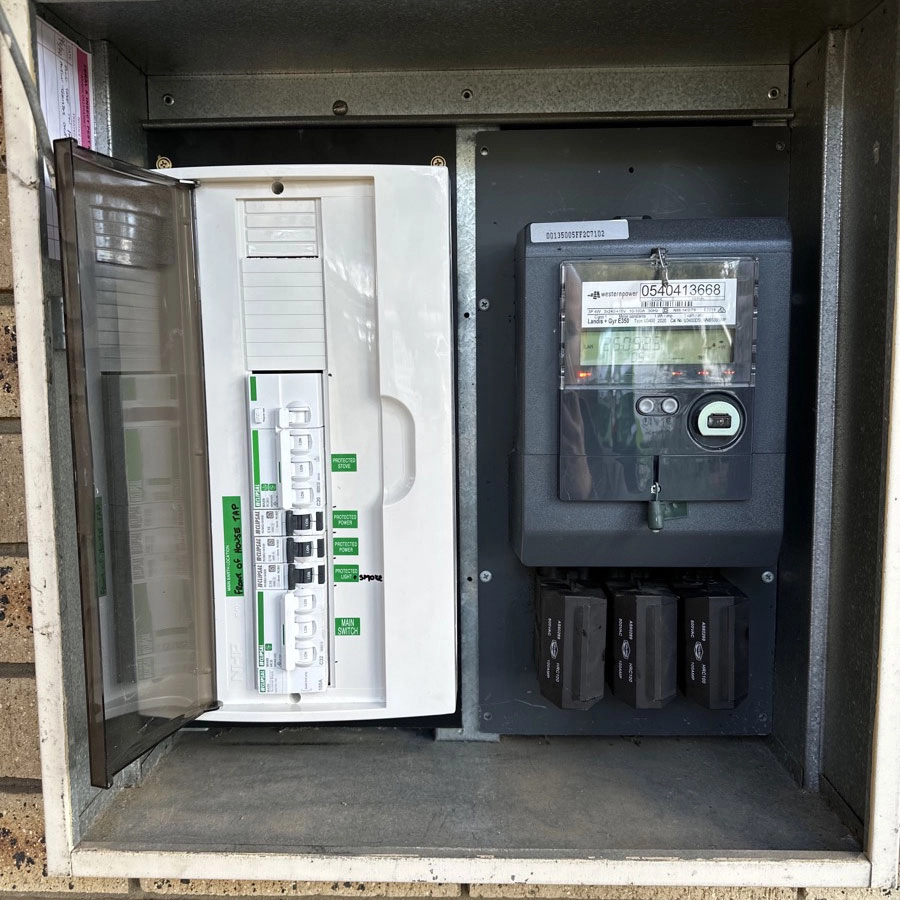
Always make sure the circuit, switchboard, safety switches, and load capacity are suitable before installation.
When to call a licensed electrician
Call a licensed electrician if you notice:
- No hot water or inconsistent temperatures.
- Tripping RCDs or blown fuses.
- Burnt smells or visible damage around the electrical connection.
- The unit is struggling to heat water efficiently.
Hot water systems involve both high voltage and plumbing, so safe testing and installation are essential. If the issue involves gas components, a licensed gasfitter should also be involved.
Need help with your electric hot water system in Perth?
Choosing between gas and electric hot water isn’t just about upfront cost. It’s about long-term efficiency, safety, household demand, and reliable performance.
At Limelight Electrix, we help Perth homeowners with electric hot water systems, including repairs, replacements, and safe electrical connections. We provide upfront pricing, no surprises, and a free safety inspection with every service.
If your unit is old, faulty, or not meeting your household needs, book our electric hot water system service today and make sure your home stays safe and efficient.